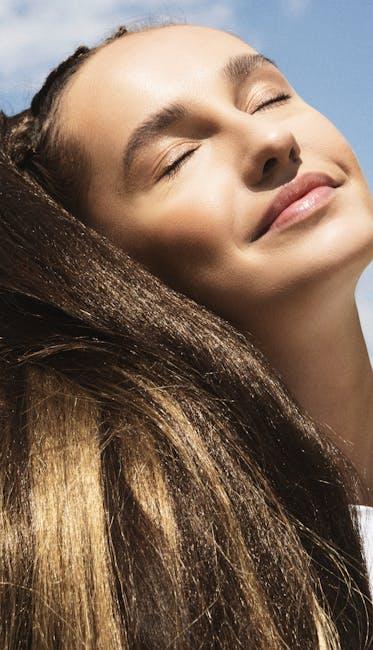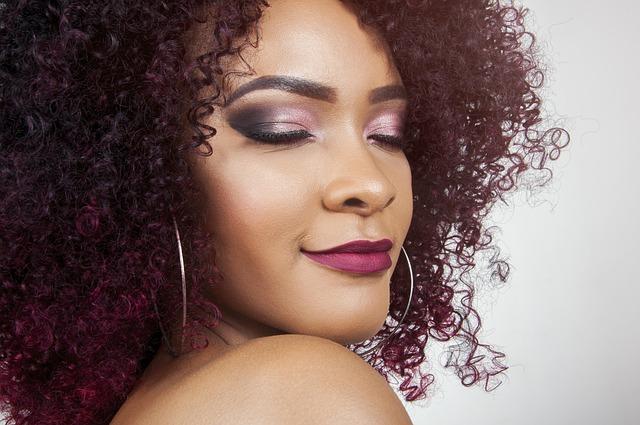
Is Curly Hair Dominant Gene? Well, here’s the scoop, fabulous friends! Genetics is a wild ride, and when it comes to our curls, it can get downright interesting. Hair texture is influenced by various genetic factors, and while curly hair can be seen as a dominant trait for many, there’s a bit of science behind it that can twist and turn just like a good spiral curl!
Understanding the Genetics of Hair Texture
When diving into the conversation about whether curly hair is a dominant gene, it’s essential to get a grasp on basic genetics. Hair texture is primarily determined by multiple genes that can influence everything from straight strands to tight ringlets.
The Basics of Genetic Expression
- Dominant and Recessive Traits: In genetic terms, a dominant trait is one that is expressed when at least one dominant allele is present. Recessive traits require two copies (one from each parent) to be expressed. With hair, the texture can draw from a delightful mix of these two forces.
- The Role of Keratin: Our hair is made of a protein called keratin, but the production of keratin and its distribution in our hair follicles can lead to various textures. Curly hair has a unique structure that curls away from the scalp.
The Curly Hair Gene
The main gene believed to be responsible for curly hair texture is known as the trichohyalin gene (TCHH). This gene plays a significant role in the formation of hair fibers and how they chemically bind together.
- TCHH and Curls: The variations in the TCHH gene lead to different hair types. When someone inherits a version of this gene that promotes curliness, they may end up with those luscious, bouncy locks we all admire!
The Dominance of Curly Hair vs. Straight Hair
So, if we’re talking about is curly hair a dominant gene, it’s essential to dive deeper into the nuances. While curly hair can be dominant, the interaction between multiple genes can yield fascinating results.
Genetic Combinations and Outcomes
- HH (Curly): This is where you inherit the curly gene from both parents.
- Hh (Curly): You get the curly gene from one parent and a straight gene from the other, resulting in curly hair.
- hh (Straight): Both parents pass down straight genes, leading to straight hair.
Table: Hair Type Combinations
| Genotype | Hair Type |
|---|---|
| HH | Curly |
| Hh | Curly |
| hh | Straight |
Curly hair can be dominant over straight hair, but it’s not as straightforward as it may seem. Sometimes, external factors like hormonal changes and environmental conditions can affect hair texture as well.
Factors Influencing Hair Texture
Having a curly hair dominant gene does not guarantee that someone will have curly hair after all! Here are some influencing factors:
- Environmental Influences: Humidity and moisture can impact how curls behave, making them frizzier or more defined.
- Health Factors: Certain health conditions can alter hair structure and follicle behavior, leading to changes in hair texture over time.
- Age: Sometimes, as we age, our hair texture can shift from curly to straighter as the production of certain proteins diminishes.
Cultural Perspectives on Curly Hair
In different cultures, curly hair is often viewed through various lenses, from beauty standards to personal expression. Understanding how curly hair as a dominant gene plays into cultural discussions can be enlightening.
The Cultural Spotlight on Curls
- Cultural Identity: For many, curly hair represents a significant part of their cultural identity. It’s celebrated in various art forms, songs, and icons—think of all those fabulous hair commercials!
- Media Representation: The representation of curly hair in the media has evolved. Gone are the days of straightening as the hallmark of beauty. More brands are now showcasing the beauty of curls, promoting acceptance and love for curly locks.
- Artsy Curls: Curls also have their flair in the world of fashion. From runway shows to everyday street style, curls have made quite an impact! They embody uniqueness and a love for the playful side of life.
How to Care for Curly Hair
If curly hair is indeed a dominant gene in your family, then knowing how to embrace and care for your curls is essential! Here’s a fun guide to keeping your curls poppin’.
Tips for Curly Hair Care
- Hydration is Key: Curly hair tends to be drier, so regular conditioning, using leave-in products, and hydrating sprays can do wonders.
- Avoid Heat: Try to limit heat styling tools. Opt for air-drying or heat protectants that make curls bounce rather than frizz.
- Use the Right Tools: Wide-tooth combs and fingers are your friends! They gently detangle without ruining the curl pattern.
Fun Product Picks for Curls
- Moisturizing Shampoo and Conditioner: Look for sulfate-free formulas that won’t strip your hair.
- Curl Defining Creams: Great for adding definition without weighing your curls down.
- Spray Mists: To refresh your curls between washes, keep a light mist handy for those on-the-go moments!
Conclusion: The Charm of Curly Hair
the question of whether curly hair is a dominant gene has a multifaceted answer wrapped up in the delightful world of genetics. Curls can be incredibly charming, bringing a wealth of personality and style to one’s appearance. While the dominance of curly hair might lean toward the yes side, the fun lies in the journey of embracing this fabulous trait!
With every twirl of a curl and every bounce of a ringlet, there’s a story—one that deserves to be celebrated. Whether curating a hair care routine or enjoying the vibrant world of curls, let those fabulous locks shine! For more detailed genetics insights, you can explore this article that dives deeper into hair genetics, or check out this scientific study for advanced reading!
Happy curling, everyone! ✨