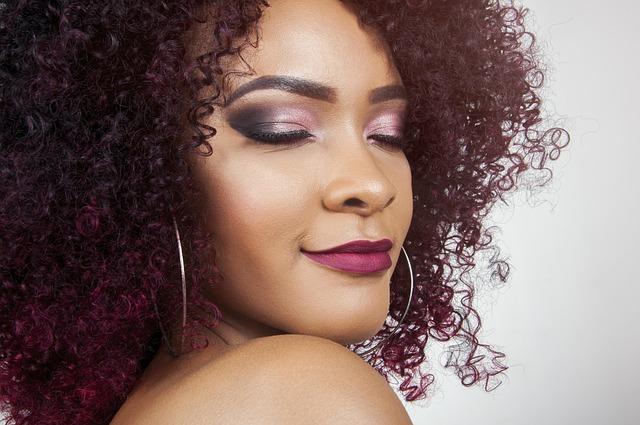
Is Curly Hair A Dominant Trait? Genetics, Curly Hair Types, and More!
Curly hair is one of those fabulous traits that can turn heads and spark conversations, but have you ever wondered, “Is curly hair a dominant trait?” Well, trust me, you’re not the only one! With its versatile styles and unique flair, curly hair has made a special place not just in fashion, but also in genetics! Let’s dive into the curly whirlpool and explore the ins and outs of this fabulous hair type!
Understanding Hair Types and Genetics
To truly grasp if curly hair is a dominant trait, it’s essential to understand some basic genetics. Hair types, whether straight, wavy, or curly, are largely determined by our DNA. Our genes carry the information that dictates the structure of our hair – think of it as your hair’s secret recipe.
Genetic Basis of Curly Hair
The variations in hair texture are primarily associated with certain genes, particularly the Trichohyalin gene. This gene influences hair shape, which is a primary factor in determining if your locks will be sleek and straight or bounce happily in spirals. So, when asking, “Is curly hair a dominant trait?” we’re really just taking a peek into our DNA!
- Curly hair is typically caused by a mutation in the genes that affect keratin proteins in hair.
- The variations in these genes might cause the shape of the hair follicle itself to be oval or even flat, which leads to that delightful curl!
Genetic Dominance and Hair Texture
When discussing genetic dominance, it’s crucial to note how traits are inherited. In the case of hair types, curly hair can often be seen as a dominant trait over straight hair. This means that if one parent has curly hair and the other has straight hair, there’s a good chance their child might sport those lovely curls!
Here’s a quick rundown on the inheritance patterns:
| Parent 1 Hair Type | Parent 2 Hair Type | Child Hair Type Possibilities |
|---|---|---|
| Curly | Straight | Curly or Wavy |
| Curly | Curly | Curly or Wavy |
| Straight | Straight | Straight |
| Straight | Wavy | Wavy or Straight |
This table illustrates how hair types can intermingle, creating a beautiful mosaic! It paints a pretty picture of why a head full of curls may be considered genetically “lucky” in the hair department!
The Science Behind Curls
So, what actually makes those curls curl? Well, aside from genetics, the shape of the hair follicle plays a vital role. Straight hair follicles are generally round, while curly hair follicles are often oval or asymmetrical. Kind of like how some of us are perfect little spheres while others have that playful, quirky shape!
Additionally, the hydrogen bonds formed in the hair cuticle contribute to curl patterns. So each twist and twirl is essentially like a little love letter from your DNA. Curious about whether it’s nature or nurture? You can find more about it in trusted resources like this study on hair genetics.
Environmental Factors and Curly Hair
While genes are the foundation, don’t forget that environment plays a part too! Factors like humidity can make curls pop or frizz, and sometimes our daily routines can either enhance or hamper those natural spirals.
- Humidity: Moisture in the air can make hair swell, leading to a curlier appearance.
- Hair Products: Certain styling products are designed to enhance curls, adding bounce and definition to those lovely locks.
So even though you might have been genetically graced with curly locks, a good hair care routine is the cherry on top to truly flaunt those gorgeous curls!
Cultural Perceptions of Curly Hair
Let’s chat about the cultural vibe surrounding curly hair. Throughout history, curly hair has been interpreted in a variety of ways, from beauty standards to fashion statements. In some cultures, curly hair symbolizes vitality, playfulness, and energy, while in others, straight hair may represent sophistication.
Curly hair’s cultural narrative can be empowering. It can signify embracing uniqueness and celebrating one’s identity. The lovely curls can be a bold statement, demonstrating confidence and creativity. So next time someone asks, “Is curly hair a dominant trait?” remind them that it’s not just about genetics; it’s about personality!
The Care and Maintenance of Curly Hair
Okay, let’s talk about the important stuff—how to keep those curls healthy! The maintenance of curly hair can sometimes be like a rollercoaster ride. But trust me, once you understand your curls, it becomes super fun!
- Moisturize: Curly hair often craves moisture. Using hydrating shampoos and conditioners keeps curls bouncy and full of life.
- Avoid Heat: Remember, heat isn’t the best friend of curls. It can lead to dryness and damage. Instead, opt for air-drying whenever you can!
- Detangle Gently: Use a wide-tooth comb or your fingers to detangle damp curls. This prevents breakage and keeps your curls tight and intact.
- Protective Styles: During sleep, consider using silk or satin pillowcases or hair wraps to prevent frizz and protect those curls.
By following these tips, you can keep your gorgeous curls looking fabulous and healthy. Plus, taking care of your luscious locks is all about embracing their unique personality!
The Future of Hair Genetics Research
As science evolves, researchers are diving deeper into the complexities of hair genetics. With advancements in genetic testing, we may soon uncover even more about the inheritance of curly hair and other traits. This could lead to breakthroughs in personalized hair care products based on genetic backgrounds! How cool is that?
So, the next time you wonder, “Is curly hair a dominant trait?,” just remember it’s a gorgeous blend of genes, environment, and a sprinkle of cultural flair. Who knows what the future holds?
Embracing Curly Hair as a Unique Trait
At the end of the day, whether your curls are big and glorious or tight and coily, the real beauty lies in the confidence that comes with embracing your unique hair type. Curly hair has a story to tell—the depth of heritage, family ties, and individual expression. So step out with pride, shake those curls, and let the world know that curly hair, indeed, deserves to be celebrated!
And as you continue to navigate the curly world, keep in mind that whether it’s about genetics, culture, or personal style, the conversation around curly hair remains as enchanting and fluid as your beautiful curls themselves!