Is Conditioner Necessary If Oils Will Come Back In Hair? Let’s dive into the wonderful world of hair care! It’s an age-old debate among beauty lovers: do you really need conditioner if your hair is already blessed with natural oils? Well, grab your favorite cup of tea, and let’s unpack this topic in detail.
The Importance of Hair Oils
Understanding Natural Hair Oils
Before delving into whether conditioner is necessary if oils will come back in hair, let’s start with the essentials. Our scalps produce a natural oil called sebum, which plays a crucial role in keeping our hair healthy, shiny, and moisturized. Think of sebum as your hair’s built-in shield against dryness and damage. It’s like the fabulous bodyguard you never knew you needed!
- Sebum Functions:
– Retains moisture
– Provides natural shine
– Prevents breakage and split ends
– Protects against environmental stressors
The Role of Oils in Hair Care
But here’s the tea, darling: while natural oils are fabulous, they don’t always hold the fort on their own. External factors like pollution, heat, and hair treatments can leave our tresses yearning for some extra love. This brings us to the pivotal question: is conditioner necessary if oils will come back in hair? Let’s explore.
Conditioner: The Hydration Hero
Why Conditioner Matters
Conditioner is like that best friend who always knows how to lift your spirits—full of support and love! It works by smoothing the cuticle (the outer layer of the hair) and providing extra moisture. So when you ask, “Is conditioner necessary if oils will come back in hair?” the answer leans towards a resounding yes! Here’s why:
- Restores Moisture: Conditioners are formulated to replenish lost moisture, which is especially crucial for dry and damaged hair.
- Improves Manageability: Goodbye, tangles! Conditioners help detangle hair, making it smoother and easier to comb through.
- Enhances Elasticity: A good conditioner works to improve hair elasticity, reducing the risk of breakage.
Types of Conditioners
Not all conditioners are created equal, and understanding the differences can help you choose the right one for your hair type. Here are some types of conditioners to consider:
- Rinse-out Conditioners: These are the classic options used after shampooing to provide immediate nourishment.
- Leave-in Conditioners: Perfect for added moisture throughout the day, leave-in conditioners can help enhance curls, add shine, and tame frizz.
- Deep Conditioners: For those who experience frequent heat styling or chemical treatments, deep conditioners penetrate deeper into the hair shaft for intense hydration.
The Science Behind Oils and Conditioners
The Chemistry of Hair Care
To understand why conditioner is necessary if oils will come back in hair, let’s get a bit scientific, shall we? Hair is primarily composed of a protein called keratin. While sebum coats the hair and adds shine, it doesn’t provide the same level of hydration that conditioner does.
- Sebum vs. Conditioner: Sebum is great for a natural sheen but doesn’t contain the beneficial ingredients (like proteins and moisturizers) found in conditioners.
When Oils Fail to Provide Adequate Nourishment
There are days when our hair just doesn’t feel as fabulous as it should. Environmental factors like weather changes, improper washing techniques, and even stress can rob our hair of its natural oils, rendering our luscious locks in need of some TLC. Hence, relying solely on oils can be counterproductive.
How to Choose the Right Conditioner
Identifying Hair Needs
When choosing a conditioner, think about your hair type and its needs. Here’s a little guide to help you out:
- Dry and Damaged Hair: Look for moisturising and repairing formulas rich in oils and proteins.
- Fine Hair: Opt for lightweight conditioners that won’t weigh hair down.
- Curly Hair: Choose a product designed to enhance curls and provide moisture.
Reading Labels
Become a label detective! Here’s what to look for:
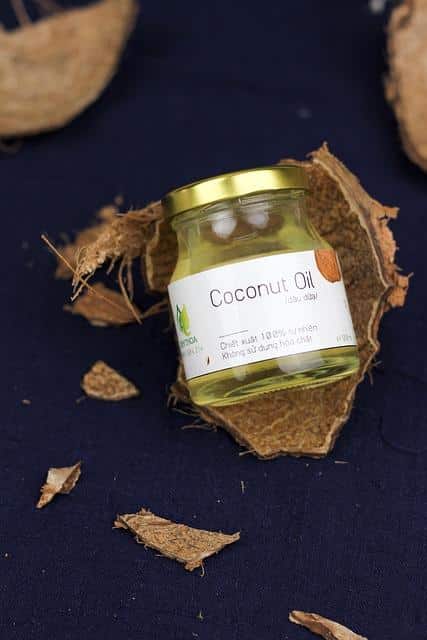
- Ingredients: Seek out natural ingredients like coconut oil, shea butter, or argan oil.
- Free of Sulfates: Sulfates can strip hair of its natural oils, so go for sulfate-free options to keep your hair healthy.
The Conditioning Routine
How Often to Condition
Now that you’re aware of how vital conditioners are, let’s talk about frequency. For general hair health, it’s usually best to condition every time you wash your hair. But if you’re rocking those gorgeous curls, you might find yourself needing more conditioning love!
Correct Application Technique
- Start from the Ends: Always apply conditioner from the middle to the ends of the hair to avoid greasing up the scalp.
- Leave It In: For added benefits, allow the conditioner to sit for a few minutes before rinsing to let the magic happen!
Conclusion: Conditioner and Natural Oils
while natural oils do come back in your hair and work their magic by providing some level of moisture, they don’t fully replace the nourishing benefits of conditioner. So the answer to the age-old question of is conditioner necessary if oils will come back in hair? Absolutely! Think of conditioner as a BFF for your hair that enhances and supports the natural oils instead of competing with them.
For a thorough guide on hair care, check out this thorough guide. And for product recommendations, head over to Allure’s hair picks!
Here’s to your beautiful hair days ahead! 🍰✨