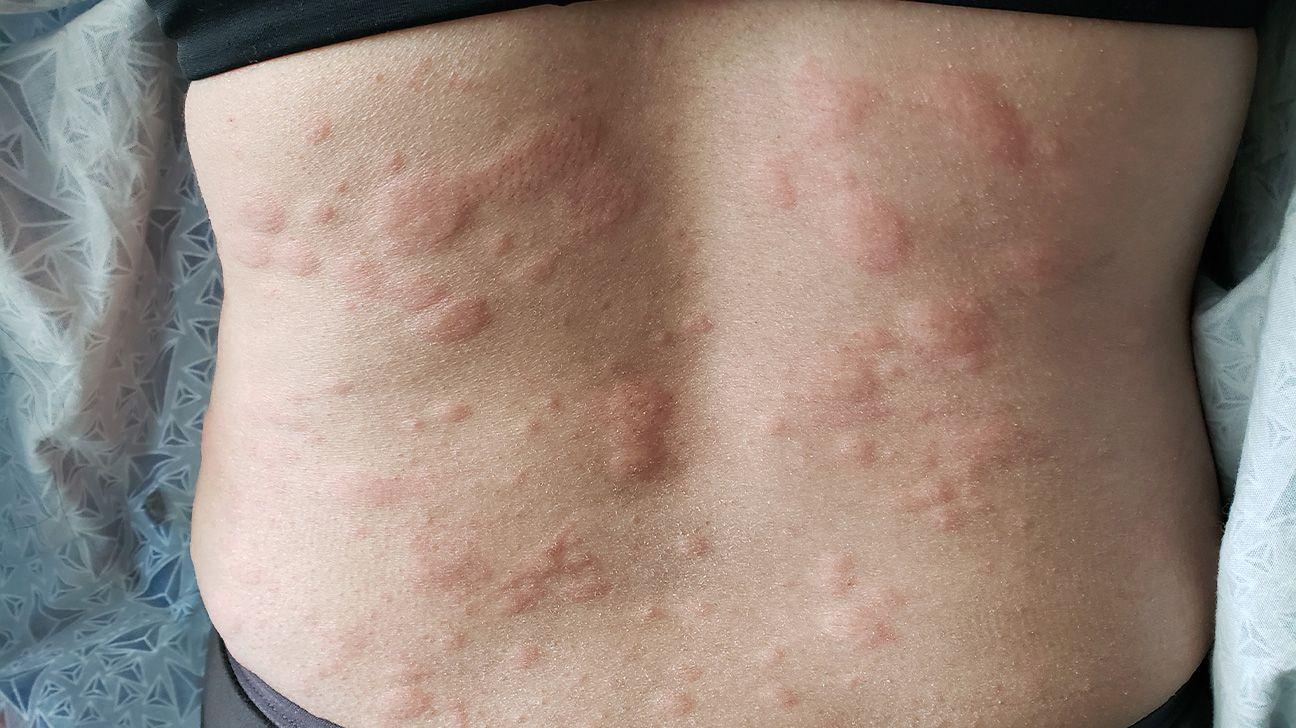
How To Treat Allergic Reaction To Makeup?
Makeup is a fabulous way to express ourselves and boost our confidence! However, sometimes it can lead to an unexpected drama—an allergic reaction. If you’ve ever experienced itchy skin, redness, or that “I want to crawl out of my skin” feeling after applying your favorite lipstick or foundation, you’re not alone. This guide will help you navigate the (rather frustrating) waters of how to treat allergic reaction to makeup, ensuring you can get back to feeling beautiful and fabulous in no time.
Understanding Allergic Reactions to Makeup
The Science Behind Makeup Allergies
In order to tackle how to treat allergic reactions to makeup, it’s essential to understand why they happen in the first place. Makeup products contain a variety of ingredients, some of which can be potential irritants or allergens. Common culprits include fragrances, preservatives like parabens, and dyes. When applied to the skin, these substances can trigger an immune response, resulting in symptoms that can range from mild to severe.
Identifying Symptoms of Allergic Reaction
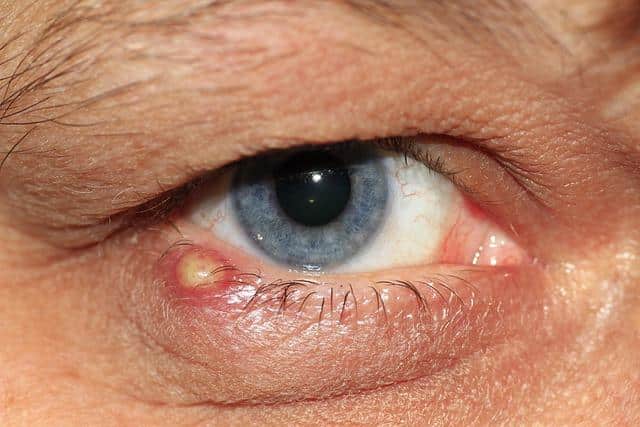
So, how do you know if your makeup is giving your skin a little too much drama? Common symptoms of allergic reactions to makeup can include:
- Redness: A telltale sign that your skin is not loving what you’ve put on it.
- Itching: When it feels like a thousand tiny ants are dancing on your face, you might have an allergy!
- Swelling: Your skin may puff up, making you look like you’ve just stepped out of a cartoon.
- Rashes: These can pop up as small bumps or larger patches of irritation.
Quick Reference Table for Symptoms
| Symptom | Description |
|---|---|
| Redness | Skin appears inflamed, often in patchy areas. |
| Itching | Desire to scratch the area, often accompanied by discomfort. |
| Swelling | Localized puffiness in the affected area. |
| Rashes | Various spots of irritation that can vary in size. |
Now that you are aware of what to look for, it’s time to address how to treat allergic reactions to makeup effectively.
Immediate Actions to Take
Discontinue Use of the Product
If you suspect that your makeup is the villain in this story, the first step is to stop using it immediately. No matter how cute that mascara tube looks, your skin comes first! Toss the offending products into the trash (with some flair, of course) and take a moment to breathe.
Cleanse the Affected Area
Next, you’ll want to gently cleanse the area with a mild, non-irritating cleanser. Look for products labeled hypoallergenic or fragrance-free to avoid further irritation. Use cool water and pat the skin dry rather than rubbing it. Your poor skin needs some TLC!
Apply a Cold Compress
Grab a washcloth, dampen it with cool water, and apply it to the affected area. This soothing trick can help reduce inflammation and offer immediate relief from itching. Leave it on for about 10-20 minutes, or until you feel the tension easing.
Home Remedies for Relief
Use Aloe Vera Gel
Aloe vera is the queen of soothing skin! It’s packed with antioxidants and has natural anti-inflammatory properties, making it a fantastic option to treat allergic reactions to makeup. Apply a thin layer of pure aloe vera gel to the affected areas and let it absorb into the skin.
Try Over-the-Counter Hydrocortisone Cream
For more stubborn symptoms, an over-the-counter hydrocortisone cream can work wonders. This anti-inflammatory cream helps reduce redness and swelling. Just remember to follow the instructions on the label and avoid overuse.
Chamomile Tea Bags for Soothing Relief
This one’s a little unconventional but adorable! Brew two chamomile tea bags, allow them to cool, and place them over the affected areas. Chamomile is known for its calming properties and can be great at alleviating discomfort.
When to Seek Professional Help
Persistent Symptoms
If symptoms persist even after trying home remedies and the advice above, it’s time to consult a healthcare professional or a dermatologist. They can assess your condition and may prescribe stronger medications or treatments tailored to your needs.
Allergist Testing
To know for sure what you’re allergic to, consider consulting an allergist. They can conduct tests to pinpoint exactly which ingredients you need to avoid, helping you make better makeup choices in the future.
Prevention Strategies
Patch Testing New Products
When trying out new makeup, always conduct a patch test before applying it fully. Apply a small amount of the product to an inconspicuous area of skin, and wait 24 to 48 hours to check for any reactions.
Choose Hypoallergenic and Fragrance-Free Products
Look for cosmetics that are marked as hypoallergenic or are formulated for sensitive skin. These products are less likely to contain common allergens that could cause issues.
Read Ingredient Labels Carefully
Become besties with the ingredient list! Familiarize yourself with potential irritants and avoid products containing them. Websites like Environmental Working Group (EWG) provide databases showing the safety of cosmetic ingredients.
Learn more about cosmetic safety.
Keeping Your Skin Healthy Post-Reaction
Hydrate and Moisturize
After an allergic reaction, your skin may feel parched and irritated. This is the perfect time to load up on hydration! Use a gentle, hydrating moisturizer that contains soothing ingredients like hyaluronic acid or glycerin to restore hydration.
Avoid Harsh Exfoliants and Products
Keep it gentle for a while. Avoid exfoliants and products with strong active ingredients like retinoids or acids until your skin heals fully. Pamper your skin with kindness!
Establish a Gentle Skincare Routine
Create a skin-loving routine that emphasizes gentle cleansing and moisturizing. Stick with minimal products until your skin is back to its glowing self.
Conclusion
Navigating how to treat allergic reaction to makeup can feel overwhelming, but with the right steps and a touch of pampering, you can get through the ordeal. Always listen to your skin and remember that your health comes first! From using soothing aloe vera to professional consultations, there are plenty of options to stay glowing and gorgeous without compromising your skin’s health. Embrace the beauty of a makeup-free day, and be proud of your natural beauty while you heal!
Feel empowered and take charge of your makeup experience. Remember, it’s all about feeling fabulous—inside and out!