How To Stop Hair Loss After Anesthesia? It’s a concern many women face after undergoing surgical procedures. The experience can be daunting, and when you add hair loss into the mix, it can feel like a nightmare. Don’t worry, though; with the right strategies and knowledge, you can tackle this issue head-on and reclaim your luscious locks!
Understanding the Link Between Anesthesia and Hair Loss
When it comes to anesthesia, it’s important to understand that it’s not just the surgical procedure that can cause trauma to your body. Anesthesia itself can also have a profound effect on your hair. This is primarily due to the stress and trauma that surgery places on your body, leading to a phenomenon known as telogen effluvium.
Telogen effluvium is a condition where hair follicles enter a resting phase due to stress, causing hair to fall out. The good news is that this type of hair loss is usually temporary. Understanding this connection is crucial when exploring how to stop hair loss after anesthesia.
Identifying the Symptoms of Hair Loss Post-Anesthesia
Before diving into the solutions, let’s talk about how to recognize hair loss after surgery. Symptoms will typically manifest within a few months post-anesthesia and may include:
- Increased hair shedding, especially while brushing or washing hair.
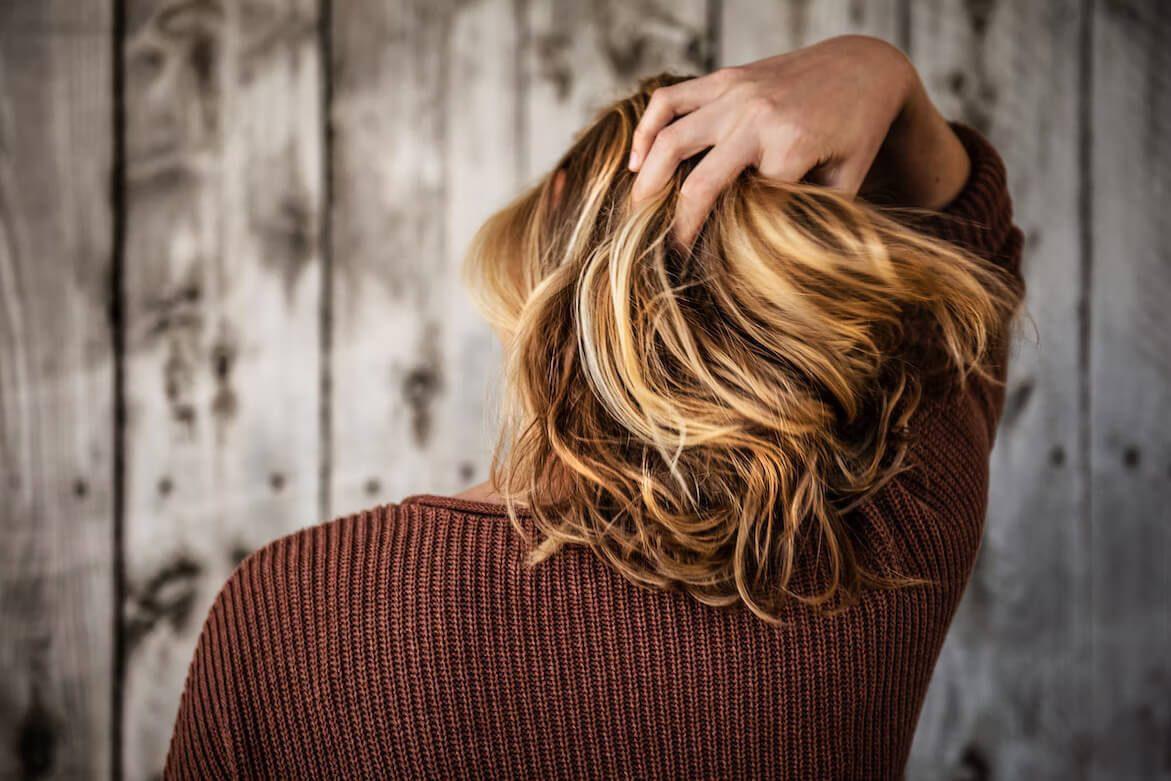
- Thinning hair that can be noticeable at the scalp.
- Clusters of hair that may fall out in patches.
Being aware of these symptoms can help you address hair loss sooner rather than later.
Effective Nutritional Strategies For Preventing Hair Loss
If you’re wondering how to stop hair loss after anesthesia, consider adopting a well-balanced diet. Nutrition plays a vital role in hair health. Here’s how to ensure your body gets the right nutrients:
Vitamins and Minerals Essential for Healthy Hair
- Biotin: This vitamin is a superstar for hair health. Incorporate foods like eggs, nuts, and avocados into your diet.
- Vitamin D: Often linked to hair growth, sources include fatty fish, dairy, and sunlight (hello, vitamin D-boosting walks!).
- Iron: A vital mineral for hair growth, found in red meat, lentils, and spinach.
Incorporating Protein into Your Diet
Remember, your hair is made primarily of protein! To prevent hair loss, ensure you’re consuming sufficient amounts of high-quality protein such as:
- Lean meats
- Fish and seafood
- Egg whites
- Plant-based proteins like beans and quinoa
Toss in a colorful salad full of leafy greens to round out those nutrient needs.
Topical Treatments to Consider Post-Anesthesia
Another key element in how to stop hair loss after anesthesia is the use of topical treatments. There are a variety of options that can help stimulate hair growth effectively.
Minoxidil
Often marketed as Rogaine, Minoxidil is an FDA-approved topical treatment that works wonders for hair growth. Here’s why you might want to consider it:
- It increases blood flow to hair follicles, revitalizing them.
- It can be used for both men and women.
Essential Oils
Feeling a bit crafty? Essential oils can also be used as a natural alternative! Consider trying:
- Rosemary oil: Known for its ability to promote hair growth.
- Peppermint oil: Can help to invigorate the scalp and increase circulation.
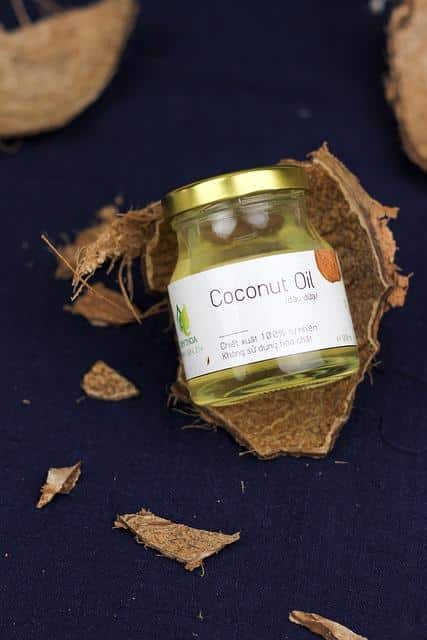
Simply mix a few drops with a carrier oil, such as coconut or jojoba oil, and massage into the scalp for a soothing treatment.
Stress Management Techniques For Healthier Hair
Let’s be real: stress can add to your woes and contribute to hair loss. Managing stress is a crucial part of how to stop hair loss after anesthesia. Here are ways to reduce stress:
Mindfulness and Meditation
Engaging in mindfulness or meditation can be fantastic ways to relax your mind. Even just five minutes a day of deep breathing can work wonders for your emotional well-being.
Gentle Exercise
Embrace gentle exercises like yoga or walking. It not only helps to release those pesky stress hormones but also improves overall circulation, which is beneficial for hair follicles!
Healthy Hair Habits To Adopt
Now, let’s get down to some pro tips for creating healthy hair habits:
Avoid Harsh Chemicals
Opt for gentle shampoos and conditioners free from sulfates and parabens. Your hair deserves the best, and avoiding harmful chemicals can help maintain the integrity of your strands.
Regular Trims
Keep those ends looking fresh! Regular trims will help to prevent split ends and breakage, enhancing the overall health and appearance of your hair.
Protecting Your Hair
Don’t forget to protect your hair from heat styling and environmental damage! Whether it’s using a UV protectant spray or simply wearing a hat on hot days, your tresses will thank you.
Consulting with Professionals
Feeling overwhelmed? Sometimes, it’s essential to consult with professionals. Don’t hesitate to reach out to a dermatologist or trichologist, as they can offer valuable insights tailored to your hair loss situation. They might even recommend hair restoration treatments or therapies designed for post-anesthesia hair loss.
Conclusion: Embracing Your Journey to Healthy Hair
knowing how to stop hair loss after anesthesia is all about understanding the root causes and integrating effective strategies into your daily life. Focus on a nutrient-rich diet, consider topical treatments, manage stress effectively, and adopt healthy hair habits.
With patience and persistence, those lovely locks can be yours once again. Remember, hair loss after anesthesia can often be temporary. So stay positive, put on your favorite headband, and embrace your fabulous self as you navigate this journey! For more in-depth information, explore resources like this study on telogen effluvium, and stay informed about hair care practices through reputable sources.