If you’re ready to embrace straighter locks while keeping your curls happy and healthy, you’ve come to the right place. Knowing how to relax curly hair can be a game-changer in your hair care routine. Curlies face unique challenges, from frizz to managing that volume explosion, and sometimes, a sleek look is just what you need! So, hone in, grab your favorite hair products, and let’s explore the fabulous world of relaxing those gorgeous curls!
Understanding Curly Hair and Relaxation
Curly hair is a beautiful texture filled with personality and flair, but sometimes it can feel like a wild beast that needs taming. Understanding how to relax curly hair starts with knowing your unique curls. Hair texture varies from wavy to tightly coiled, and the best approach to relaxation will depend on your hair type. The primary goal is to achieve smoother strands without compromising the health of your beloved curls.
Hair Types Explained
Curly hair is generally categorized into different types:
- Type 1: Straight and smooth hair with little to no wave or curl.
- Type 2: Wavy hair with a bounce and a little texture.
- Type 3: Curly hair that forms loose, spiral curls.
- Type 4: Kinky or coily hair, delicate yet stunning.
Understanding where your hair fits in this spectrum can help you choose the best techniques for relaxation.
The Science Behind Curl Relaxation
When considering how to relax curly hair, it’s essential to grasp the science behind it. Curly hair is often more porous and prone to damage due to its structure. Relaxing involves using chemicals or techniques that modify the hair’s protein structure, allowing it to maintain a straighter form. However, caution is key! Over-processing can lead to dryness and breakage, so always opt for gentle methods!
Popular Methods for Relaxing Curly Hair
When it comes to knowing how to relax curly hair, there are several methods to consider. Depending on your preference and how long you want the effect to last, you can choose anything from temporary solutions to more permanent ones.
Chemical Relaxers
Chemical relaxers are one of the most common ways to smooth out those curls. These products contain active ingredients, such as sodium hydroxide or guanidine hydroxide, which break the bonds that give curly hair its shape. Before applying a chemical relaxer, consider the following:
Pros of Chemical Relaxers
- Long-Lasting Results: The straightening effect can last for several months.
- Sleek Finish: Transforms curls into smooth, manageable strands.
Cons of Chemical Relaxers
- Potential Damage: Harsh chemicals can cause hair damage if not used correctly.
- Maintenance Required: Requires touch-ups every 6-8 weeks.
Natural Relaxation Techniques
For those who prefer a gentler approach, consider natural or DIY methods. Here are some fabulous options that won’t strip your hair of its natural beauty:
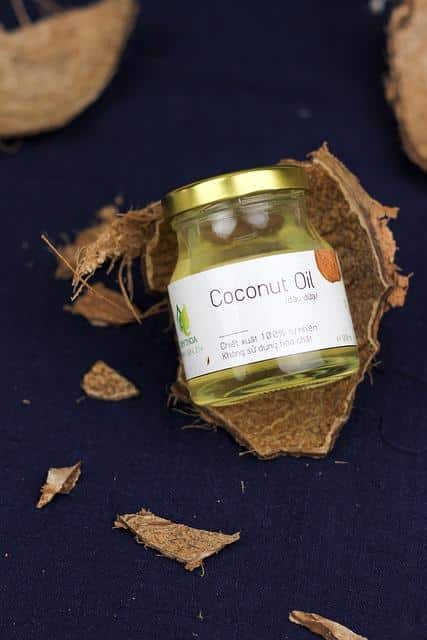
- Hot Oil Treatments: Using coconut, olive, or argan oil to deeply condition your hair can provide temporary smoothing.
- Milk and Honey Rinse: Combine milk and honey for a nourishing rinse that can soften curls.
- Aloe Vera Gel: Apply pure aloe vera to damp hair. It helps in straightening and adds moisture.
Hair Tools
Heat is another way to relax those curls; however, it must be used wisely. If you’re pondering how to relax curly hair with heat tools, consider the following options:
- Flat Irons: A flat iron can help you achieve sleek strands. Always use a heat protectant to avoid damage!
- Blow Dryers with a Round Brush: For a bouncy straight style, section your hair and blow dry it in a downward motion.
Hair Treatments and Masks
Incorporating treatments into your routine can work wonders for maintaining healthy strands post-relaxation.
Deep Conditioning Masks
Regularly using deep conditioning masks can nourish and hydrate your hair. Key ingredients to look for:
- Shea Butter: Moisturizes and repairs damage.
- Keratin: Adds strength and reduces frizz.
Aftercare for Relaxed Hair
So, you’ve achieved those straight, lustrous locks! But wait—aftercare is crucial to keeping your hair healthy post-relaxation.
Hydration is Key
Always keep your hair hydrated, especially after using chemical relaxers. Use sulfate-free shampoos and hydrating conditioners for nourishment. Incorporate leave-in conditioners and lightweight oils to keep your hair shiny and soft.
Protective Styles
Give your hair a break between relaxations. Protective styling, such as braids or buns, can shield your strands from damage.
Regular Trims
Regular trims are essential for removing split ends and keeping your style fresh. Aim for a trim every 6-8 weeks!
Common Mistakes to Avoid When Relaxing Curly Hair
Understandably, many may fall into common traps when figuring out how to relax curly hair. Let’s shine a light on some blunders to avoid:
- Skipping the Patch Test: Always do a patch test before applying a relaxer to detect any allergic reactions.
- Over-Processing: Stick to the recommended time in the instructions to avoid frazzled locks.
- Neglecting Moisture: Hydration is everything! Keep your hair moisturized to prevent dryness.
Consulting a Professional
While DIY approaches can be fun, consider consulting a professional stylist for chemical relaxers. They can assess your hair type, recommend appropriate products, and apply relaxers evenly. Seeking expert advice can be beneficial for how to relax curly hair, ensuring beautiful results without compromising hair health.
Conclusion
Learning how to relax curly hair is a delightful journey filled with exploration and self-discovery. With the right techniques, products, and a sprinkle of love, your curls can transform into sleek strands while maintaining your hair’s health.
Whether you choose chemical relaxers, natural alternatives, or heat styling, embrace the process and keep your curls glowing with health. Remember to always follow up with excellent aftercare and don’t forget—the most important part of any hair treatment is loving your fabulous locks, no matter their texture!
For further reading on hair care tips, check out Hairstylery or explore fabulous trends at Naturally Curly!