Creating luscious locks at home can feel like a premium treat, and I’m here to spill the secrets on how to make a hair mask at home! Homemade hair masks are not only a fabulous way to pamper yourself but also work wonders in nourishing those beautiful tresses. Whether you’re battling dryness, frizz, or simply looking for a little extra shine, there’s a DIY mask just for you. Get ready to mix, slather, and flaunt your hair like the queen you are!
Understanding Hair Types and Needs
Before diving into the fabulous world of DIY hair masks, it’s essential to understand that not all hair types are created equal. Whether your locks are straight, curly, oily, or dry, identifying your hair’s specific needs will allow you to choose the perfect mask for maximum results.
Determining Your Hair Type
Let’s break it down, darling! Your hair type influences the ingredients you’ll want to use in your homemade masks:
- Straight Hair: Often prone to oiliness, look for ingredients that won’t weigh your hair down.
- Wavy Hair: A delicate balance is key—use moisturizing ingredients to enhance those lovely waves without making them limp.
- Curly Hair: Hydration is your best friend! Curly hair loves rich ingredients that keep it soft and frizz-free.
- Coily or Kinky Hair: This hair type craves moisture and strength! Thick creams and oils will be your besties here.
Taking the time to understand your hair ensures that when you learn how to make a hair mask at home, you’ll be creating something truly beneficial!
Common Hair Concerns
People typically seek out hair masks to address specific concerns, such as:
- Dryness and Damage: Masks rich in oils and proteins can help restore moisture.
- Frizz Control: Look for smoothing agents like avocado or coconut oil.
- Dullness: Ingredients like honey and yogurt can revive your hair’s natural shine.
- Scalp Health: Masks with natural clay can detoxify and exfoliate your scalp.
Understanding these aspects will help you craft the perfect blend for your luscious locks!
Essential Ingredients for Hair Masks
Now, let’s explore some of the royal ingredients that will help you whip up hair masks that could rival a salon treatment. With everyday items that are likely in your pantry, you can achieve salon-quality results right at home!
Oils and Butters
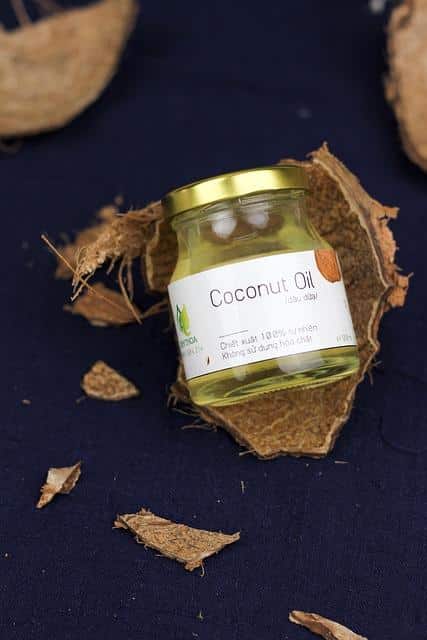
- Coconut Oil: A fan-favorite for hydration and shine. Rich in fatty acids, it absorbs easily.
- Olive Oil: Perfect for deep conditioning and often touted as a great moisturizer.
- Avocado Oil: Packed with nutrients, it’s a powerhouse that brings life to tired strands.
- Shea Butter: Deeply moisturizing and excellent for coily or kinky hair.
- Argan Oil: Known as “liquid gold,” it’s fantastic for a smooth finish and shine.
Fruits and Vegetables
- Bananas: Not only delicious but also an incredible source of potassium. They help with elasticity and moisture.
- Avocados: A creamy delight full of vitamins and fats that promote hydration.
- Honey: A natural humectant that traps moisture in your hair.
- Yogurt: Full of proteins that strengthen hair and add shine.
Add-ins for Extra Benefits
- Essential Oils: Lavender or tea tree can promote scalp health.
- Eggs: Rich in protein, they help strengthen and nourish.
- Aloe Vera: Soothing for the scalp and provides a moisturizing effect.
Knowing what each ingredient offers makes your experience of learning how to make a hair mask at home way more effective!
Simple DIY Hair Masks for Every Hair Type
Let’s get down to the fun part—mixing up some fab DIY masks, tailored for your hair’s specific needs! Here are a few recipes that will make your hair sing.
Moisturizing Avocado and Olive Oil Mask
This mask works wonders for dry or damaged hair.
Ingredients:
- 1 ripe avocado
- 2 tablespoons olive oil
- 1 tablespoon honey
Instructions:
- Smash the avocado in a bowl until creamy.
- Drizzle in olive oil and honey; mix until smooth.
- Apply to damp hair, focusing on the ends.
- Leave on for 30 minutes before rinsing.
Benefits: This dreamy concoction hydrates and nourishes, leaving you with silky, touchable hair!
Strengthening Banana and Egg Mask
Perfect for those needing a little extra strength in their strands.
Ingredients:
- 1 ripe banana
- 1 egg
- 1 tablespoon honey
Instructions:
- Blend the banana until smooth.
- Add the egg and honey, mixing until well combined.
- Apply to your hair, starting from the roots to the ends.
- Leave for 20-30 minutes and rinse thoroughly.
Benefits: The egg provides a protein boost, while the banana ensures moisture, making your hair stronger and shinier!
Soothe and Hydrate with Aloe Vera and Coconut Oil Mask
A fabulous choice for oily or itchy scalps.
Ingredients:
- ½ cup aloe vera gel
- 2 tablespoons coconut oil
- Optional: a few drops of peppermint essential oil
Instructions:
- In a bowl, mix the aloe vera gel and coconut oil until well blended.
- Add essential oil if desired.
- Apply to your scalp and hair and let it sit for 30 minutes.
- Rinse with shampoo.
Benefits: Aloe vera works wonders for soothing sensitized scalp while coconut oil infuses moisture into the hair!
Applying Your Hair Mask for Best Results
The application process can make or break your mask experience! Here’s how to rock it and get the most out of your homemade hair treatments.
Preparing for Application
- Start with Clean Hair: For maximum absorption, wash your hair with a mild shampoo first.
- Towel Dry: Remove excess water by gently towel-drying your hair—it should be damp but not dripping.
The Application Process
- Section Your Hair: Divide your hair into manageable sections. This ensures even coverage.
- Generously Apply: Use your fingers or a brush to coat your hair and scalp thoroughly.
- Focus on the Ends: Remember, the ends of your hair are typically more damaged and deserve extra love!
Post-Application Steps
Wrap Your Hair: Use a shower cap or plastic wrap to trap heat, which helps the mask penetrate deeper.
Relax: This is your time! Put on a face mask, sip some herbal tea, and pretend you’re at a spa.
Rinsing Your Hair Mask
When the time’s up, it’s super important to rinse your mask out in the right way to maximize the benefits.
Use Cold Water: Start rinsing with lukewarm water, followed by a cold rinse to seal in moisture.
Shampoo Lightly: A gentle cleanse with a mild shampoo will help remove any residue.
Condition: Follow up with a conditioner to build on the amazing benefits.
Frequency of Use for Hair Masks
How often should you indulge in this luxurious ritual? Well, it’s up to your hair’s needs!
Dry or Damaged Hair: Once a week for optimal hydration.
Normal Hair: Once every two weeks might be sufficient.
Oily Hair: Once a month could be enough, as over-moisturizing can lead to greasiness.
Ultimately, listen to your hair! It will tell you what it needs, and pampering with DIY masks is just a fun way to tune in.
Conclusion on How to Make a Hair Mask at Home
learning
how to make a hair mask at home** is as easy as pie, or maybe even easier! With a dash of creativity and the right ingredients, your hair can benefit from all the goodness mother nature has to offer. These masks not only repair and nourish but also turn the ordinary hair care routine into an indulging, spa-like experience right in your bathroom. So go ahead, mix up those ingredients, pamper yourself, and let your hair shine brighter than ever! Because you deserve it, gorgeous!
For further reading on hair care tips, check out Healthline’s Hair Care Tips and WebMD’s Healthy Hair Tips for even more fabulous advice!