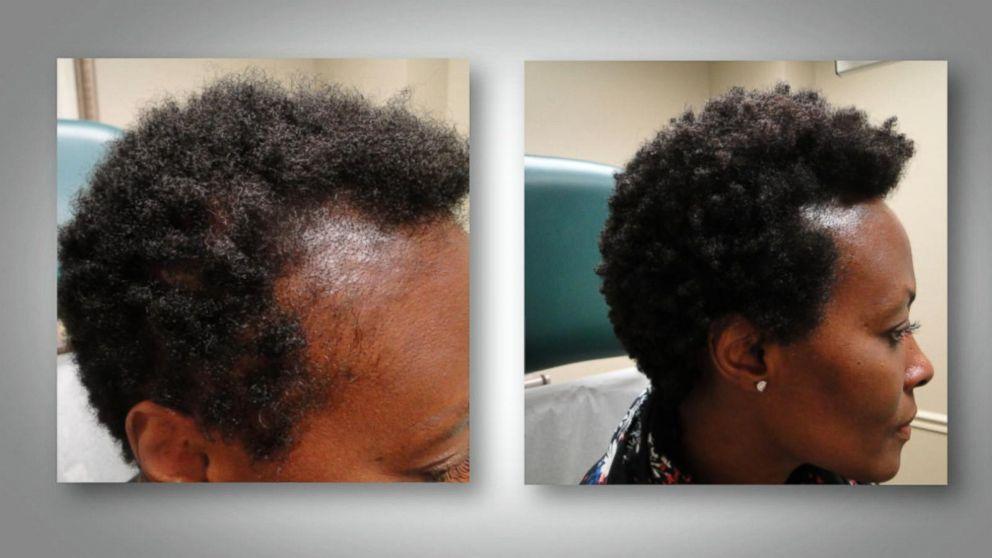
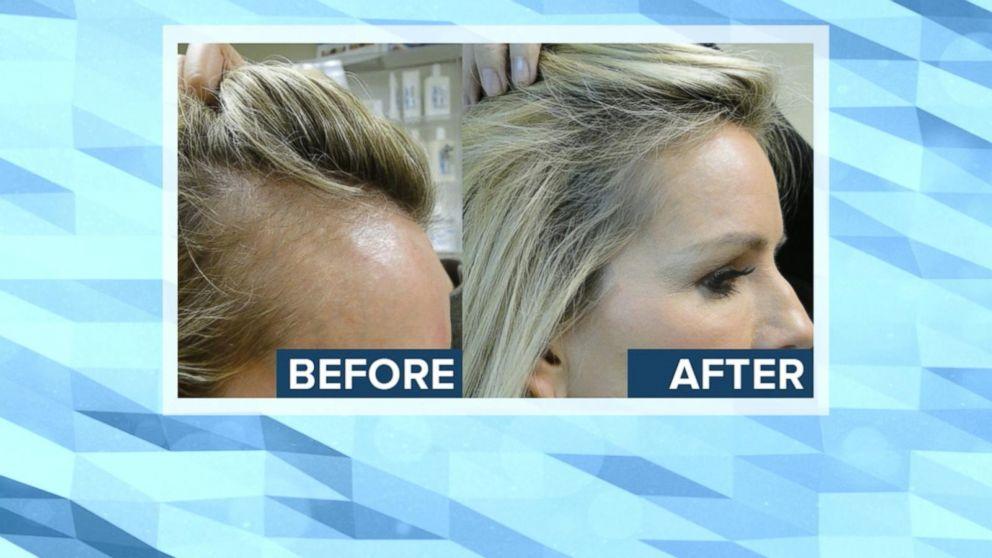
How To Get A Job In Hair Loss Research? If you’ve ever thought about diving into the fascinating world of hair loss research, you’re in for a treat! Whether it’s the latest innovations in hair restoration or the psychological impacts of hair loss, working in this field is super rewarding and can make a meaningful difference in people’s lives. Let’s unravel this journey together and explore all the ins and outs of securing a fab job in hair loss research.
Understanding Hair Loss and its Importance
Hair loss is not just a cosmetic issue; it often affects one’s self-esteem and emotional wellbeing. Research in this field focuses on understanding the causes of hair loss, exploring treatments, and promoting healthier hair growth. With the growing awareness of these impacts, there’s a rising demand for skilled professionals in hair loss research.
Understanding the biology behind hair loss is crucial. Did you know that approximately 40% of men and 50% of women experience noticeable hair loss in their lifetime? This staggering statistic highlights the need for dedicated research in this area. If you’re passionate about helping others overcome these challenges, a career in hair loss research might just be the perfect fit!
Educational Pathways to Enter Hair Loss Research
Relevant Degrees and Certifications
One of the first steps in learning how to get a job in hair loss research involves obtaining the right educational background. Generally, a degree in a relevant field is essential. Here are some popular options:
- Biology or Microbiology: These fields provide foundational knowledge about the biological processes involved in hair growth and loss.
- Cosmetic Science: A degree in this area focuses on the formulation and effectiveness of hair care products.
- Dermatology: Specializing in skin and hair-related conditions is highly advantageous.
Additionally, pursuing certifications related to dermatology or trichology (the study of hair and scalp) can boost your profile. Check out organizations like the American Academy of Dermatology for relevant courses.
Gaining Practical Experience
Internships and Volunteer Opportunities
Now that you know what educational paths to consider, it’s time to gain some practical experience. Internships in dermatology clinics or research labs specializing in hair loss treatments can significantly enhance your resume. Look for opportunities that allow you to work hands-on with patients or data related to hair loss studies.
Consider checking local universities for ongoing hair loss research projects. Getting involved in these projects not only adds credibility to your resume but also helps you network with professionals in the field.
Personal Projects and Research
While gaining experience through formal channels is excellent, don’t shy away from starting personal research projects. This could involve exploring the efficacy of various topical treatments or reviewing existing literature on hair loss. Document your findings in a blog or published articles to showcase your knowledge and commitment to the field.
Networking and Building Professional Relationships
Join Professional Organizations
Networking is essential when learning how to get a job in hair loss research. Joining professional organizations is a great way to connect with like-minded individuals. Groups like the International Society of Hair Restoration Surgery (ISHRS) offer fantastic networking opportunities, access to conferences, and valuable resources.
Attend Conferences and Seminars
Participating in industry conferences and seminars is another fabulous way to get your name out there! Not only can you learn the latest trends and technologies, but you will also meet leading experts who can share valuable insights and potentially lead you toward job opportunities.
Crafting an Impressive Resume and Cover Letter
Highlighting Relevant Skills and Experiences
When applying for jobs, your resume should reflect a mix of educational background, practical experiences, and soft skills. Consider the following when crafting your resume:
- Research Skills: Emphasize your analytical abilities, such as data analysis and familiarity with research methodologies.
- Technical Proficiency: Mention any tools or software relevant to hair loss research (like statistical software).
- Communication Skills: Being able to articulate findings is crucial in this field, so highlight experiences that showcase your ability to communicate complex concepts clearly.
Writing a Compelling Cover Letter
Your cover letter is your chance to shine! Make it personal and engaging by telling your story. Briefly explain why you are passionate about hair loss research and what unique perspectives or experiences you bring to the table. Tailor your cover letter to each job application to reflect your genuine interest in the role.
Interview Tips for Success
Prepare for Common Questions
Interviews can be nerve-wracking but being prepared can make all the difference. Familiarize yourself with common interview questions related to hair loss research, such as:
- What inspired your interest in hair loss research?
- Can you explain your understanding of the biological mechanisms behind hair loss?
- How do you stay updated on the latest trends and research findings in the field?
Showcase Your Enthusiasm
Employers look for candidates who not only have the right qualifications but also show enthusiasm for the field. Be ready to discuss what specifically excites you about hair loss research. Sharing your insights on emerging trends or recent scientific breakthroughs can show that you are proactive and informed.
Exploring Job Opportunities in Hair Loss Research
Employment Sectors
When considering how to get a job in hair loss research, it’s vital to recognize various employment sectors. Here are a few potential paths:
- Clinical Research Organizations: Work alongside physicians and researchers dedicated to developing new treatments.
- Dermatology Clinics: Many clinics conduct research alongside providing treatment, offering a space where both clinical and research interests intersect.
- Cosmetic and Pharmaceutical Companies: These organizations often seek individuals skilled in research and product development to advance hair restoration products.
Job Boards and Resources
Keep an eye on popular job boards for vacancies in hair loss research. Websites like Indeed, Glassdoor, and LinkedIn often post openings. Remember to set job alerts based on keywords such as “hair loss researcher” or “trichology”.
Conclusion
Transforming your passion for hair and wellness into a career in hair loss research can be an incredibly rewarding journey. By following the steps outlined above, from educational pathways to networking and crafting your application materials, you’ll be well on your way to answering the question: how to get a job in hair loss research? Remember, persistence is key! Stay curious, keep learning, and don’t hesitate to connect with others in the field. The world of hair loss research is waiting for your unique contributions!
For further exploration, check out resources like the American Academy of Dermatology and the International Society of Hair Restoration Surgery for updates on advancements and events in this vibrant field.
With determination and a sprinkle of creativity, you’re poised to make your mark in hair loss research!