How Many People Have Curly Hair? You might be surprised to learn that the curly-haired community is a lot bigger than one might think! Curly hair comes in so many fabulous textures and styles, and it’s truly a unique crown for many. From bouncy ringlets to luscious waves, curly hair has its own charm and personality. Let’s dive into some fun facts and stats about curly hair, exploring everything from how many people flaunt those beautiful curls to why curly hair is so special.
Understanding the Prevalence of Curly Hair
Curly hair isn’t just a trend; it’s a worldwide phenomenon. Studies estimate that about 65% of the global population has some form of wavy or curly hair. That’s right, more than half! This can vary significantly by geographical region, ethnicity, and even climate, contributing to a stunning diversity of styles.
- Genetics and Curl Patterns
The presence of curly hair is strongly linked to genetics. It’s all about those pesky curly hair genes! Among individuals with European ancestry, curly hair is less prevalent, approximately one in three people. In certain African populations, around 80% of people might have curly or coiled hair. Isn’t that fascinating? Genetics plays a vital role in determining one’s hair texture, influencing how many people have curly hair across different cultures.
- Global Diversity of Curly Hair
The distribution of curly hair differs significantly across the globe. Regions with a high propensity for curliness include Africa, parts of the Middle East, and South America, among others. If you travel to these places, you’ll notice how many people have curly hair thriving beautifully amongst various cultures.
Factors Influencing Curly Hair Prevalence
To fully grasp how many people have curly hair, it’s essential to consider several influencing factors:
- Ethnicity: Different ethnic groups exhibit varying degrees of curly hair. For instance, East Asians typically have straight, fine hair, while many African and Mediterranean people possess curly or coiled types.
- Climate: Humid environments usually enhance curliness due to moisture swelling the hair shaft, leading to frizz and more defined curls.
- Hair Products: With the growth of the curly hair care industry, more people are embracing their natural curls, leading to a rise in self-identified curly-haired individuals.
Identifying Curl Patterns
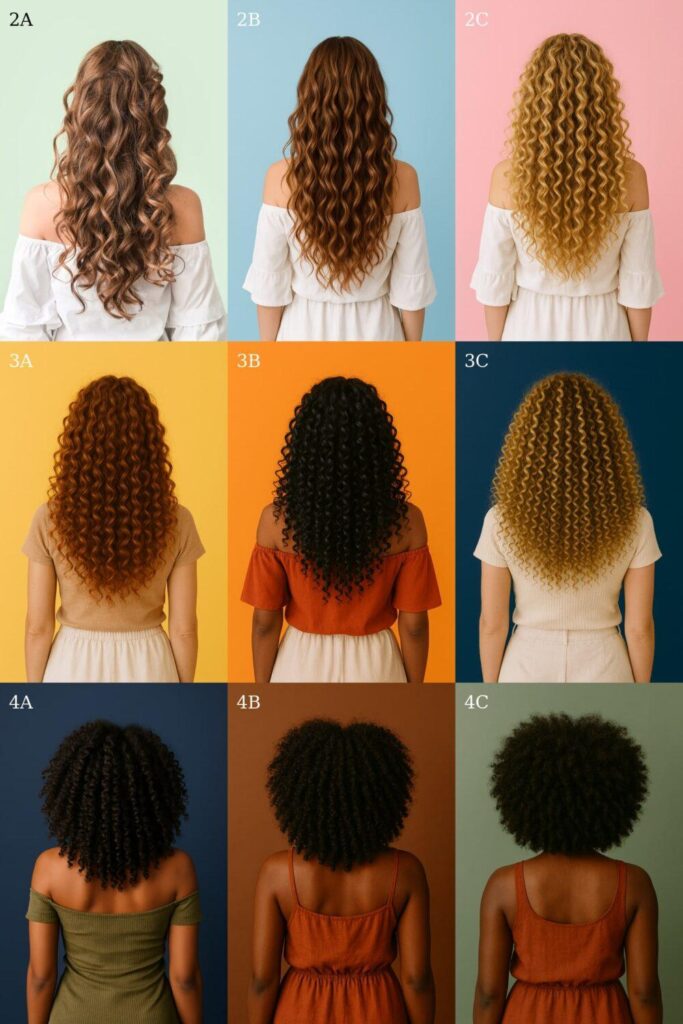
When discussing curly hair, it’s important to delve into understanding different curl types and patterns. Curly hair can typically be categorized into four major types:
- Type 1 (Straight Hair): Well, this isn’t about curly hair, but let’s discuss it anyways. It’s smooth and sleek without any curls – sorry straight-haired friends!
- Type 2 (Wavy Hair): This is where things start to get interesting! Type 2 hair has a bit of a wave, creating loose, beachy curls. It often has more body and is usually flatter on the scalp.
- Type 3 (Curly Hair): This is the lush group! It ranges from well-defined curls to voluminous spirals, making a dramatic statement with its bounce and personality.
- Type 4 (Kinky Hair): Super tight and often coiled, this hair type can have a Z-shaped pattern, making it the most volumized and textured.
Caring for Curly Hair
Now that we have a grip on how many people have curly hair and the different curl patterns, let’s talk about what it takes to care for those fabulous locks!
- Moisture is Key: Curly hair tends to be drier than other types. Investing in quality conditioners and hydrating products can make all the difference. A little love goes a long way!
- Avoid Heat Damage: While it’s tempting to whip out those flat irons, it’s best to keep heat styling to a minimum. Curls thrive when allowed to air dry or be styled with heat-free methods.
- Use a Satin Pillowcase: Ah, the luxury! Sleeping on a satin pillowcase reduces friction, helping maintain curls and avoid breakage.
FAQs About Curly Hair
Curly-haired beauties often have questions, and here are a few common ones!
- Is curly hair more difficult to manage?
Curly hair can be more demanding for moisture and styling, but with the right care routine, it can be absolutely luscious!
- Why do some people develop curls later in life?
Hormonal changes, genetics, and other lifestyle factors can affect hair texture, causing some to develop curls or waves later on in their journey.
Celebrating Curly Hair in Culture
How many people have curly hair? Well, it’s a part of cultural identity for many! Across various cultures, curly hair has been embraced and celebrated in unique ways.
- Representation in Media: From big-screen celebrities to social media influencers, curls are getting the spotlight they’ve always deserved.
- Curly Hair Movements: There are wonderful communities dedicated to embracing natural hair, promoting authenticity, and setting standards of beauty that celebrate diversity.
Conclusion: Embracing the Curls
curly hair is not only beautiful but also a hallmark of individuality and culture. With approximately 65% of the population owning those gorgeous curls, there’s a growing community advocating for curl care and appreciation. So, how many people have curly hair? The answer is a vibrant, voluminous, and beautiful bunch! Whether curling up with your favorite products or loving your naturally regal curls, it’s time to appreciate every twist and bounce that comes with being part of this fabulous curly-haired family. Here’s to all the radiant ringlets and marvelous waves out there!
Link to Study on Hair Types
Link to Curly Hair Care Research