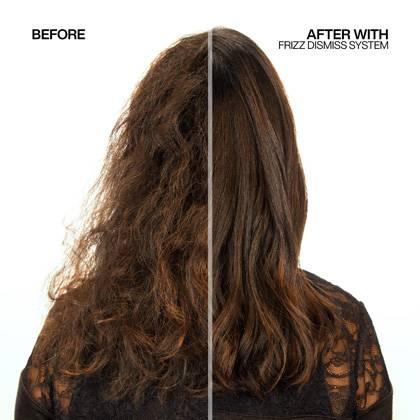
Controlling frizzy hair can feel like a never-ending battle, especially when the weather is working against you and your strands seem to have a mind of their own. For those of us who’ve ever gasped at our reflection in horror after stepping outside on a humid day (hello, poof!), learning how to control frizzy hair is both an art and a science. With the right techniques and products, anyone can tame their mane and rock sleek, smooth locks all day long. So, let’s dive into a treasure trove of tips, tricks, and fabulous products to help you conquer that frizz!
Understanding Frizzy Hair
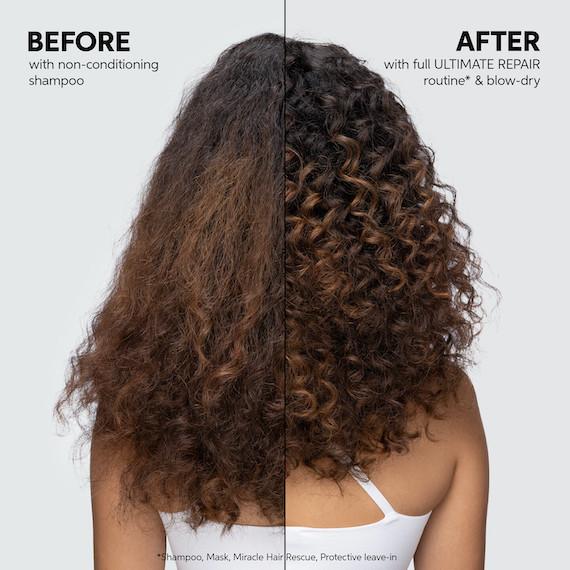
Frizz is like that uninvited guest who shows up to the party and refuses to leave. It occurs when hair strands absorb moisture from the air, causing the cuticle (the outer layer of hair) to swell and create that dreaded frizz. This often happens with naturally curly or wavy hair types, but straight hair can be just as prone to frizz in certain conditions. Understanding the science behind frizz is the first step to learning how to control frizzy hair.
Several factors contribute to frizzy hair:
- Humidity: High humidity can cause hair to absorb moisture, leading to swelling.
- Damage: Damaged hair cuticles can lift and allow moisture in, exacerbating frizz.
- Lack of moisture: Ironically, dry hair can also lead to frizz, as the hair attempts to seek out moisture in the air.
By addressing these factors, individuals can better manage their hair’s frizz levels.
Recognizing Your Hair Type
The journey to controlling frizz begins with recognizing your hair type. Hair comes in all shapes and sizes, and understanding the unique characteristics of your hair can help tailor your anti-frizz regime. Here are the main hair types:
- Straight Hair: Naturally smooth but can still frizz when exposed to humidity.
- Wavy Hair: Slightly more prone to frizz due to its structure.
- Curly Hair: Most affected by frizz as curls can create gaps for moisture to enter.
- Coily Hair: Super curly and often the driest, making it even more prone to frizz.
Each hair type requires specific products and techniques to minimize frizz, so knowing your hair type can be a game-changer in how to control frizzy hair.
Hydration and Moisture Retention Techniques
One of the best ways to control frizzy hair is ensuring it’s properly hydrated. A well-moisturized mane is far less likely to frizz, so here are some fabulous hydration techniques that can turn your frizz fiascos into silky successes.
The Importance of Deep Conditioning
Regular deep conditioning treatments can work wonders in battling frizz. A good deep conditioner nourishes hair, replenishing lost moisture and repairing damage. Look for products with ingredients like:
- Shea Butter: Deeply moisturizing and great for all hair types.
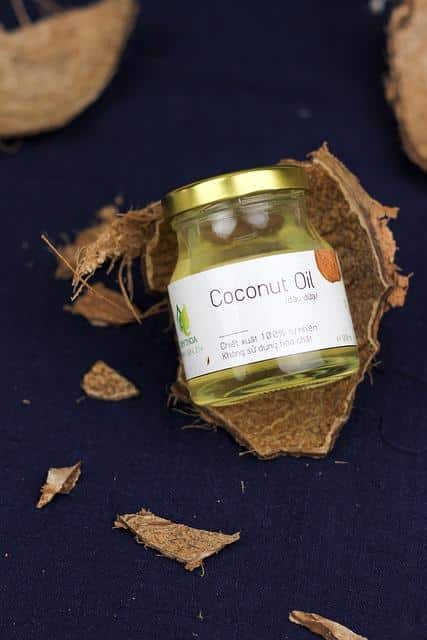
- Coconut Oil: Adds moisture and helps reduce frizz by sealing the cuticle.
- Argan Oil: Known for its smoothing properties and shine-boosting benefits.
To use a deep conditioner:
- Apply generously to clean, damp hair.
- Leave it on for at least 15-30 minutes (or longer if you can).
- Rinse thoroughly with cool water to seal the moisture inside.
Leave-In Conditioners Are Your BFF
Once you’ve deep conditioned, a leave-in conditioner can be your ultimate frizz fighter. This is where the magic happens, as leave-in conditioners help to provide moisture and control throughout the day. When choosing a leave-in conditioner, opt for those that are lightweight but rich in beneficial ingredients, such as aloe vera or jojoba oil.
Styling Techniques for Frizz Control
Now that we’ve got hydration down, let’s discuss some styling techniques that keep frizz at bay while making your hair look oh-so-chic!
The Right Drying Techniques
How you dry your hair can have a significant impact on frizz levels. Avoid rubbing your hair with a towel, as this can cause friction and lead to frizz. Instead, try these techniques:
- Microfiber Towels: They absorb moisture without causing friction. Wrap your hair in a microfiber towel (like a little turban) for 15-20 minutes.
- Plopping: For wavy and curly hair, plopping involves gathering your wet hair into a cotton t-shirt or towel, allowing it to dry softly without frizz.
Heat and Hair Tools
If you love using heat styling tools, it’s essential to use them wisely to avoid frizz. Always apply a heat protectant before using any heat tools to help shield your hair from damage. Also, try to use tools with adjustable heat settings and look for options that are designed to minimize damage.
Selecting the Right Products for Frizz Control
Choosing the right products when you’re trying to control frizzy hair can feel like searching for a needle in a haystack, so here are a few fabulous recommendations.
Smoothing Serums
Smoothing serums are essential for anyone looking to eliminate frizz. They coat the hair, providing shine and reducing puffiness. Look for serums that include silicone-based ingredients, which can create a barrier against moisture.
Frizz-Reducing Creams
Another fantastic option is frizz-reducing creams designed to hydrate and smooth hair while protecting against humidity. These creams are typically lightweight and can be applied to damp hair before styling.
| Product Type | Description |
| Smoothing Serum | Creates a barrier against humidity and adds shine. |
| Frizz-Reducing Cream | Hydrates hair and provides a smooth finish. |
Living the Anti-Frizz Lifestyle
Honestly, controlling frizzy hair is not just about products and techniques; it’s a lifestyle! Here are some tips that can be incorporated into daily life.
Stay Hydrated
Drinking plenty of water can help keep hair hydrated from the inside out. Hydration is key for maintaining moisture levels in hair, especially if you have thick or curly locks.
Protecting Hair While Sleeping
Did you know that your pillowcase could be a temple of frizz? Cotton pillowcases can absorb moisture and cause hair to frizz while you sleep. Switch to a silk or satin pillowcase, which allows hair to slide smoothly and reduces friction.
Avoid Over-Washing
Washing hair too often can strip the natural oils that keep hair hydrated. Try to limit washing to two to three times a week, using dry shampoo in between washes to keep hair fresh.
Additional Tips for Dealing with Seasonal Changes
Seasons can be impactful on frizz levels! Here’s how to adjust your hair care based on the weather.
Summer: Embrace the Humidity
Summer brings warm weather and, unfortunately, humidity. Look for products specifically formulated for humidity control, and don’t forget to reapply your leave-in conditioner or serum during the day.
Winter: Combat Dryness
In winter, the air can be dry, leading to static and frizz. Ensure to moisturize regularly with a thick cream or oil that provides a barrier against the elements.
How Do I Control Frizzy Hair? The answer lies in embracing your hair’s unique properties and treating it with love. From moisture retention techniques to picking the perfect products, hope this helps you achieve that smooth, fabulous look every day!
For even more tips and scientifically-backed advice, check out this article that dives deeply into hair health, or explore this resource for additional insights into combating frizz. Now, go forth and shine bright like the star you are, frizz-free and fabulous!