Does Zinc Promote Hair Growth? Let’s dive into the world of this essential mineral and how it may just be the secret ingredient to achieving fabulous, luscious locks. We all dream of that perfect hair day, don’t we? But before you start putting your hair in braids or throwing on your favorite wig, it’s time to explore the role zinc plays in hair health, and whether it really promotes hair growth.
The Importance of Zinc for Hair Health
Zinc is a mighty mineral that serves a multitude of functions in our bodies. It’s involved in numerous enzymatic reactions, supports immune function, and yes, plays a significant role in maintaining the health of our hair follicles. Hair growth is a complex process, but the presence of zinc is vital in ensuring that our hair grows strong and vibrant.
Zinc’s Role in Hair Follicle Function
When it comes down to it, hair follicles are like tiny factories working hard to produce new hair. Zinc contributes to the structural integrity of these follicles, ensuring they function optimally. Not only does it help regulate the production of hormones that affect hair growth, but it also aids in the proliferation of cells within the hair follicles. Zinc is like the fairy godmother of hair growth!
How Zinc Deficiency Impacts Hair Growth
Now, let’s get a little real here. A lack of zinc in your diet can lead to some not-so-fabulous consequences for your hair. When your body is deficient in this critical mineral, your hair can suffer. One of the first signs of a zinc deficiency can be hair thinning or hair loss. If you notice more strands in your shower drain or find that your ponytail is becoming less voluminous, it might just be time to check your zinc levels.
The connection between zinc deficiency and hair loss is backed by several studies. In fact, researchers have noted that individuals with alopecia areata (an autoimmune condition leading to hair loss) often have lower zinc levels source. Talk about a wake-up call!
Sources of Zinc for Healthy Hair
If you’re nodding your head and thinking, “Okay, I need to up my zinc game,” fret not! There are plenty of delicious and nutritious foods to add to your diet.
Top Sources of Dietary Zinc
Here’s a little adorable checklist of foods rich in zinc that can help you get your fill for fabulous hair:
- Oysters: They’re not just an aphrodisiac; they also pack a serious zinc punch!
- Red Meat: Think beef and lamb – they’re not just tasty; they’re also packed with zinc.
- Poultry: Chicken and turkey are great sources, too!
- Beans: For my vegetarian and vegan friends out there, lentils and chickpeas are your besties when it comes to zinc.
- Nuts and Seeds: Hello, sunflower seeds and pumpkin seeds! Snack attack approved.
- Dairy Products: Cheese and yogurt, please!
Consider Zinc Supplements
While it’s best to get your nutrients from food, sometimes you might need a little extra help. Zinc supplements are widely available, but it’s always a fab idea to chat with a healthcare professional before diving in. Taking too much zinc can lead to adverse effects, like nausea or disruption of copper absorption. Yikes, no thank you!
How Zinc Supports Overall Hair Growth
Now, let’s get into the nitty-gritty details of how zinc promotes hair growth in those luscious locks.
Promoting Cell Growth and Repair
Firstly, zinc plays an essential role in cell cycle regulation. This means it helps your hair cells grow quickly and efficiently. It aids in the repair of damaged cells, which is essential for the health of your hair follicles. When cells can repair themselves effectively, you’ll likely notice thicker, healthier hair. Total hair goals!
Combating Free Radicals
Have you heard about free radicals? These pesky little guys can damage your hair and scalp, leading to hair loss and dullness. Zinc has antioxidant properties that help fight against free radicals, protecting our hair from oxidative stress. Kind of like a superhero, right?
Hormonal Balance
Hormones play a massive role in hair growth, and zinc helps keep hormonal levels in check. It regulates the production of androgens, which can contribute to hair loss when imbalanced. Bye-bye unwanted hair issues! Balanced hormones equal happy hair.
Zinc for Different Hair Types
Believe it or not, zinc isn’t a one-size-fits-all type of mineral. Let’s discuss how different hair types might benefit from zinc—yes, the mineral truly is versatile!
Oily Hair and Scalp
For those with oily hair and scalp, zinc can be a game-changer! It helps regulate oil production, keeping your scalp healthy and reducing the risk of dandruff. A happy scalp leads to happy hair!
Dry and Brittle Hair
If your hair feels a bit like hay, zinc can assist in retaining moisture, ultimately leading to less brittle strands. You’ll be flipping your healthy hair with confidence in no time!
Thinning or Fine Hair
For those of us with thinner hair, zinc’s ability to promote new hair growth can lead to more volume. It strengthens existing hair, preventing breakage and that dreaded “see-through” look.
Curly and Coily Hair
Curly hair may often be dry, and zinc can help nourish those curls, providing much-needed hydration and leading to defined, gorgeous hair. So, let those curls bounce with vitality!
The Science Behind Zinc and Hair Growth
Isn’t it fascinating to delve into the science behind hair growth? Zinc’s impact on hair has been studied in multiple clinical trials, demonstrating its effectiveness in promoting hair growth and reducing hair loss.
Research Findings on Zinc and Hair Growth
- Clinical Studies: Multiple studies have indicated that individuals with hair loss often have inadequate levels of zinc. Supplementing zinc showed improvements in hair density.
- Hormonal Studies: Research reveals a relationship between zinc and hormones related to hair growth, like DHT (dihydrotestosterone). Proper levels can prevent premature hair loss due to hormonal imbalances.
For reliable information, be sure to check out studies from reputable journals source.
Recommended Daily Intake of Zinc
To benefit from zinc without overdoing it, the recommended daily intake varies by age, gender, and life stage, but here’s a quick overview:
| Age Group | Recommended Daily Intake |
|———————-|————————-|
| Infants (0-6 months) | 2 mg |
| Children (1-3 years) | 3 mg |
| Children (4-8 years) | 5 mg |
| Teens (9-13 years) | 8 mg |
| Men (14 years+) | 11 mg |
| Women (14 years+) | 8 mg |
It’s important to remember that these values can vary based on dietary needs and health conditions, but it’s a fabulous reference to start with!
Possible Side Effects and Precautions
While zinc is super important for hair growth, it’s essential to be responsible with its intake. Taking too much zinc can lead to fewer benefits and more side effects.
Too Much of a Good Thing
- Nausea: If you feel a little queasy, you could be taking more zinc than your body wants!
- Disruption of Copper Absorption: An excess of zinc can interfere with how your body absorbs copper, which is also necessary for hair production.
Consulting a Professional
Always remember that every body is different. Consulting a healthcare professional will ensure you’re on the right track with zinc supplementation. They can provide you with personalized advice tailored to your needs.
Conclusion: Embracing Zinc for Fabulous Hair
the answer to “Does Zinc Promote Hair Growth?” is a resounding yes! Whether you’re munching on oysters at dinner or snacking on sunflower seeds, embracing zinc as part of your diet can lead to a world of benefits for your hair.
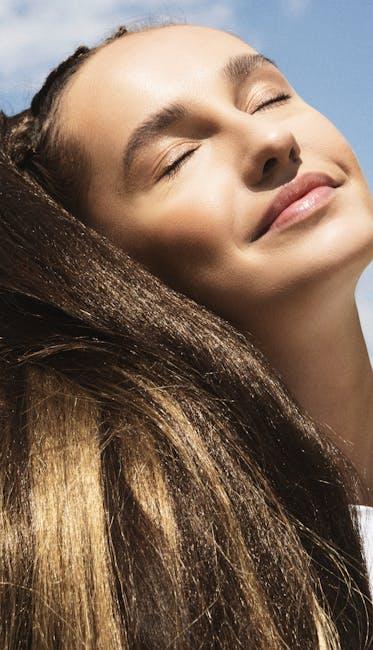
With its role in supporting hair follicle function, promoting cell growth, and combatting oxidative stress, zinc is a pivotal player in achieving those long, luxurious locks we all crave. Say goodbye to thin, lifeless hair and hello to vibrant, healthy strands!
Remember, a balanced diet, proper hair care routine, and consultation with a health professional will keep you on the path to fabulous hair. Now go forth, and let your hair shine like the star that you are! Cheese, pasta, and a little zinc—what’s not to love? ✨