Does Zinc Cause Hair Loss? Let’s Dive into This Nutrient’s Role in Hair Health
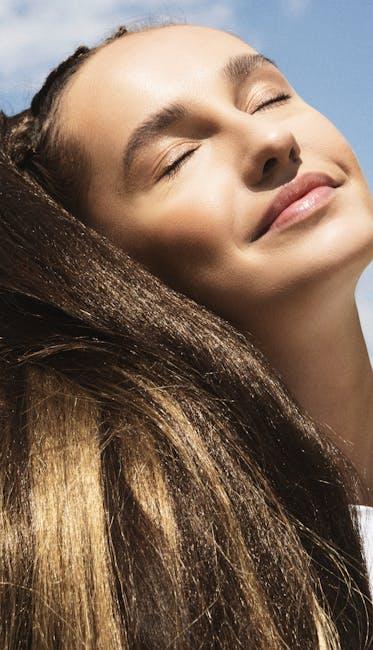
Zinc, a mineral that’s getting a lot of attention these days, has been linked to various health benefits. But does zinc cause hair loss? It’s a question that has many people scratching their heads. After all, healthy hair is a crowning glory, and nothing can feel worse than dealing with hair thinning or loss. So, let’s take a closer look at zinc and its complicated relationship with our lovely locks!
Understanding Zinc’s Role in Hair Growth
Zinc plays a crucial role in numerous biological functions, including immune system support, protein synthesis, and importantly for our discussion, hair growth. This mineral’s role in the creation of hair cells is essential. When our bodies aren’t getting enough zinc, this can slow down the hair growth process, leading us to wonder: does zinc cause hair loss?
The Importance of Zinc for Healthy Hair
Zinc is fundamental for maintaining hair follicle health. It supports the structural integrity of proteins that make up hair. Let’s break down why zinc is so essential for our hair:
- Protein Synthesis: Zinc is necessary for the synthesis of keratin, the main protein that makes up our hair strands.
- Hormonal Balance: Zinc helps regulate hormones, which can influence hair growth cycles and prevent hair loss.
- Repair and Regeneration: It promotes wound healing and cell turnover—both crucial for a healthy scalp, which in turn supports gorgeous locks.
What Happens When You Lack Zinc?
While pondering if zinc causes hair loss, it’s equally important to explore what happens when there’s a zinc deficiency. A deficiency can lead to telogen effluvium, where hair follicles prematurely enter the resting phase of the hair growth cycle. A lack of zinc may cause:
- Thinning Hair: Less hair growth and more shedding can lead to visibly thinner hair.
- Brittle Hair: Without adequate levels of zinc, hair becomes more prone to breakage and damage.
- Scalp Issues: Zinc deficiencies can lead to conditions like dermatitis, which can affect hair growth negatively.
Recognizing Zinc Deficiency Symptoms
It’s key to recognize symptoms related to zinc deficiency. Besides the hair woes, here are a few indicators that you might be running low on this important mineral:
- Weakened Immune System: Frequent colds and infections can signal a zinc deficiency.
- Skin Issues: Rashes and slow-healing wounds may occur.
- Loss of Appetite: A change in your desire to eat can be another sign.
The Balance: Too Much Zinc and Hair Loss
So, you may ask, does zinc cause hair loss if we have too much of it, too? Absolutely! While zinc is essential, over-supplementation can lead to toxic levels in the body, which actually can contribute to hair loss. Talk about a plot twist!
How Excessive Zinc Interferes with Hair Health
When zinc levels rise too high, it can disrupt the balance of other vital minerals, such as copper, which plays a role in hair pigmentation and health. Here’s what might happen:
- Copper Deficiency: High levels of zinc can hinder copper absorption, potentially leading to premature graying or thinning hair.
- Immune System Problems: Just like a deficiency, an excess of zinc can compromise immune function. An unwell body can struggle with hair health.
- Toxicity Symptoms: Overconsumption can lead to nausea, vomiting, and indeed, hair loss.
Recommended Daily Allowance of Zinc
Before leaning too heavily on supplements, it’s essential to know how much zinc we actually need. Let’s take a look at the recommended daily allowance (RDA):
| Demographics | RDA of Zinc (mg) |
|---|---|
| Adult Men (19+ years) | 11 mg |
| Adult Women (19+ years) | 8 mg |
| Pregnant Women | 11 mg |
| Lactating Women | 12 mg |
Sources of Zinc
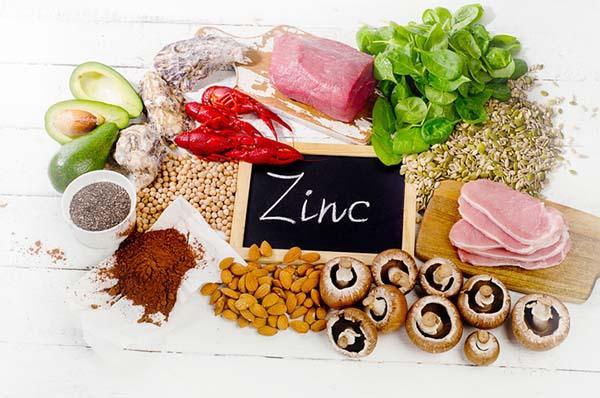
Finding the right balance of zinc is key for health and hair. Fortunately, there are numerous dietary sources to include in your regular meals! Here are a few:
- Oysters: Known as the richest food source of zinc! Yum!
- Meat: Beef and lamb can give you a hearty zinc boost.
- Legumes: Beans and lentils are fantastic plant-based options.
- Seeds and Nuts: Pumpkin seeds and cashews are great for snacking!
- Whole Grains: Brown rice and quinoa can be excellent additions.
Incorporating Zinc into Your Diet
While pondering, does zinc cause hair loss, remember to aim for a balanced diet that supports hair growth. Here are some tips for getting enough zinc:
- Variety is Key: Incorporate different zinc-rich foods in meals, from breakfast smoothies to scrumptious dinners.
- Supplement Wisely: If you’re considering supplements, opt for food-based sources or talk to a health professional for personalized advice.
- Understand Absorption Factors: Consume zinc-rich foods with vitamin C for better absorption and balance!
When to Consult a Professional
If you’re experiencing significant hair loss or suspect a zinc deficiency, it might be time to chat with a healthcare provider. Blood tests can help ascertain your zinc levels and assist in finding the right treatment (and perhaps a path to restoring your fabulous tresses!).
If you are ever in doubt about your zinc intake or hair health, consider having a friendly chat with your doctor. They’ll guide you through your health journey!
understanding whether does zinc cause hair loss requires a delicate balance of knowing both the benefits and the potential downsides. Whether you’re aiming for thick, luscious locks or just want to keep your hair in tip-top shape, managing your zinc levels is crucial. Remember, moderation is vital, ladies!
For further readings on hair health and nutrition, consider checking out these resources: NIH: Zinc and Hair Growth and Healthline: Zinc Supplements. Happy hair growing, beautiful souls!