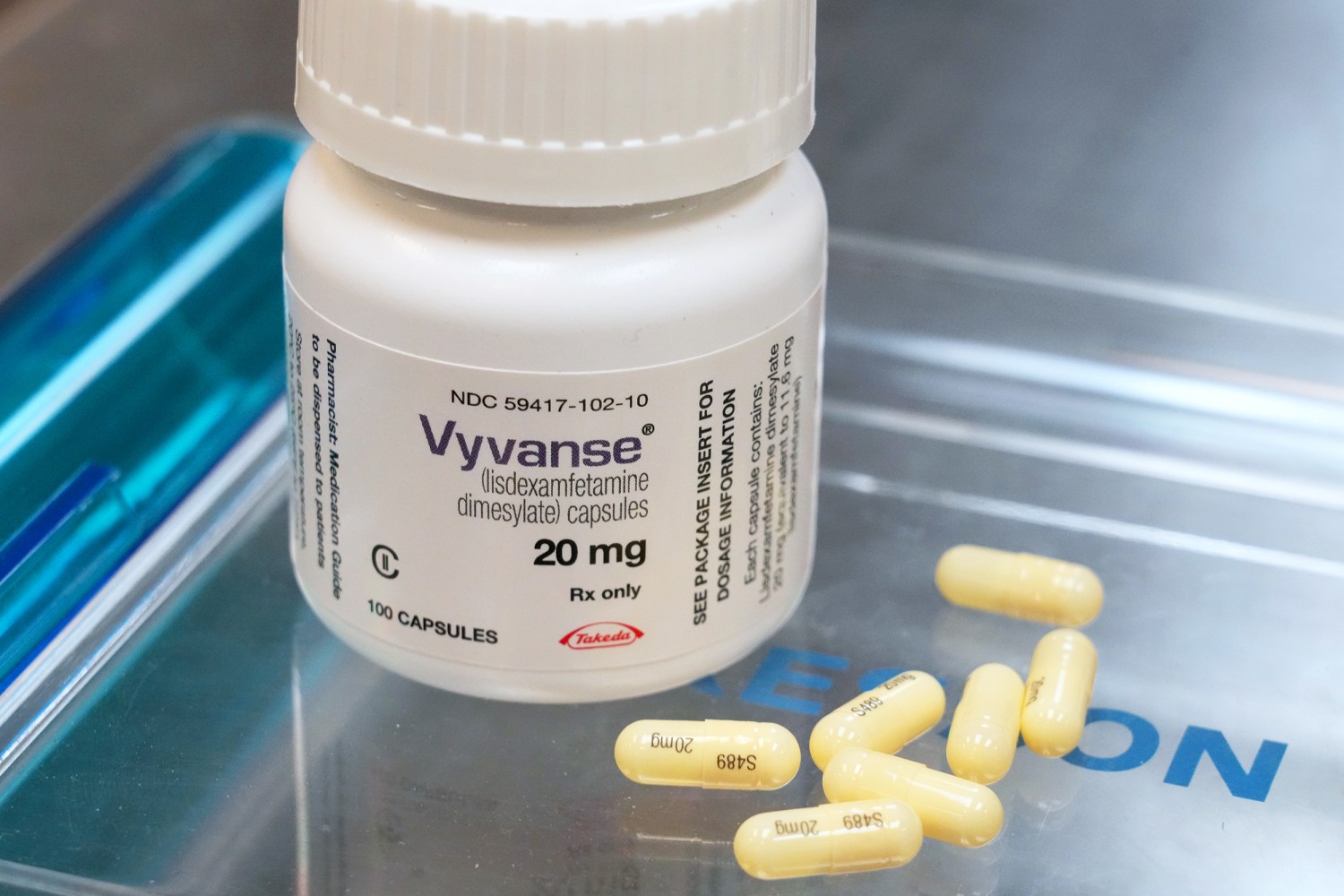
Does Vyvanse cause hair loss? Oh honey, this question has floated around like a bad hair day! For those of us navigating life with ADHD, Vyvanse can feel like a magical elixir. But, just like any relationship, there can be some unexpected side effects. One of the most dreaded worries among users is the potential for hair loss. Grab your favorite snack and a comfy blanket because we’re diving deep into the world of Vyvanse, how it affects hair, and what you can do about it!
Understanding Vyvanse
Vyvanse is a prescription medication that’s primarily used to treat Attention Deficit Hyperactivity Disorder (ADHD) in both adults and children. Classified as a stimulant, it contains lisdexamfetamine, which helps balance certain chemicals in the brain to improve focus and reduce impulsive behaviors. While many celebrate its benefits for concentrating on tasks or organizing chaotic schedules, it’s essential to be aware of the potential side effects.
How Vyvanse Works
When you take Vyvanse, your body converts it into dextroamphetamine, a powerful stimulant that enhances the neurotransmitters dopamine and norepinephrine. These neurotransmitters play a significant role in mood regulation, attention, and overall cognitive function. But here’s the tea, besties: just as Vyvanse helps boost mental energy, it may also affect other bodily systems, potentially including hair growth.
The Connection Between Vyvanse and Hair Loss
So, does Vyvanse cause hair loss? The answer is a little more nuanced than a simple yes or no. Some users have reported experiencing hair thinning or loss, but it’s important to note that this isn’t a universal side effect. Here are a few factors that come into play:
Hormonal Changes
Vyvanse can cause hormonal fluctuations in the body. These changes may affect hair growth cycles, leading to temporary shedding. If you’re already sensitive to hormonal shifts, you might notice this effect more than others.
Nutritional Deficiencies
Stimulant medications like Vyvanse can reduce appetite, which may lead to inadequate nutritional intake. Vitamins and minerals are superstars when it comes to hair health, and a deficiency in nutrients like biotin, zinc, or iron can wreak havoc on your scalp.
Stress Factor
Coping with ADHD often comes with its own set of stressors. If Vyvanse helps with focus but the anxiety surrounding your condition remains high, stress could be the sneaky villain causing your hair to thin out. Let’s not forget, stress is infamous for triggering hair loss, regardless of medication!
Genetic Predisposition
Your unique genetic makeup plays a huge role in how your hair reacts over time. If you have a family history of hair loss, Vyvanse could be the icing on the cake, causing you to experience more noticeable thinning.
Signs of Hair Loss from Vyvanse
If you’re using Vyvanse and suspect it might be affecting your hair, here are some signs to watch for:
- Increased Hair Shedding: If you find more hair in your brush or shower drain than usual, it may be time to take a closer look.
- Thinning Patches: Look for areas on your scalp that appear less dense than others.
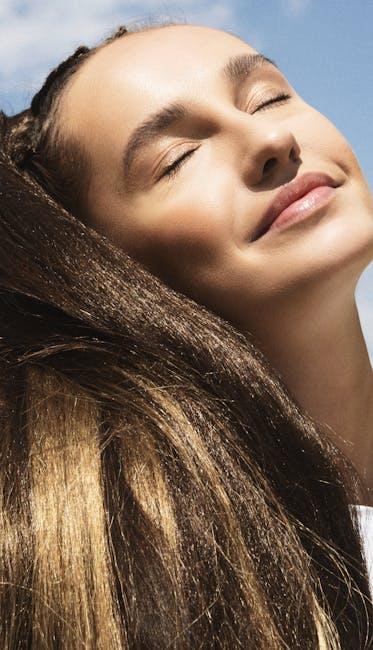
- Brittle Hair: When your once luscious locks become dry and break easily, it might indicate an underlying issue.
Managing Hair Loss While on Vyvanse
If you’re worried about whether Vyvanse causes hair loss, there are some proactive steps you can take to manage and prevent further thinning.
Check with Your Doctor
The first step in combating any side effects from medication is to discuss them with a healthcare professional. Sharing your concerns about hair loss is crucial, as they can guide you to potential alternatives or solutions.
Nutritional Support
Maintaining a balanced diet can make all the difference! Incorporate foods rich in vitamins and minerals to support hair health. Consider adding:
- Leafy Greens: Spinach and kale pack a punch of vitamins A and C.
- Nuts and Seeds: Almonds are rich in vitamin E, which promotes hair health.
- Eggs: Full of protein and biotin, they are a great addition to your diet.
Stress Management Techniques
Finding ways to reduce stress can be a game changer! Consider activities like yoga, meditation, or even a fun hobby that lifts your spirits. Seriously, who doesn’t love a little paint-and-sip night?
Supplements for Hair Health
If you’re concerned about nutritional deficiencies, consider taking hair growth supplements (with your doctor’s blessing!). Biotin, collagen, and omega-3 fatty acids are known for supporting healthier hair.
Vyvanse Alternatives for ADHD Management
If hair loss becomes a significant worry and you’re still asking, does Vyvanse cause hair loss? Remember, it’s not the only player in the game! There are alternatives out there worth exploring:
Non-Stimulant Medications
Some non-stimulant medications like Strattera (atomoxetine) can manage ADHD symptoms without the side effects linked to stimulants like Vyvanse. Discuss this option with your doctor.
Therapy and Counseling
Behavioral therapy can be incredibly beneficial for managing ADHD symptoms. It can help you develop coping mechanisms that might reduce your reliance on medication.
Lifestyle Changes
As simple as they sound, lifestyle changes—including regular exercise, structured routines, and mindfulness—can greatly benefit ADHD management and reduce medication dependence.
Community Support and Resources
Navigating hair loss or any side effects from ADHD medications can be daunting, but you aren’t alone, darling! Joining a support group or an online community can make you feel understood and provide helpful resources from those who share similar experiences.
Trustworthy Resources
For additional information on managing ADHD and medication side effects, check out these reputable links:
- ADDitude Magazine: ADHD Medications and Side Effects
- National Institutes of Health on ADHD Treatment Options
Conclusion
So, does Vyvanse cause hair loss? While some users report hair thinning, it’s not a guaranteed side effect for everyone. Individual reactions vary, and understanding the potential impacts and ways to manage them is essential. Remember the importance of keeping communication open with your healthcare provider and prioritizing a balanced lifestyle to keep your hair and health in check.
At the end of the day, loving yourself—brilliant locks or not—is what truly shines! Let’s keep rocking our fabulous selves, one strand at a time. 💁♀️✨