Does Trazodone Cause Hair Loss? The Concerns Around Trazodone and Hair Health
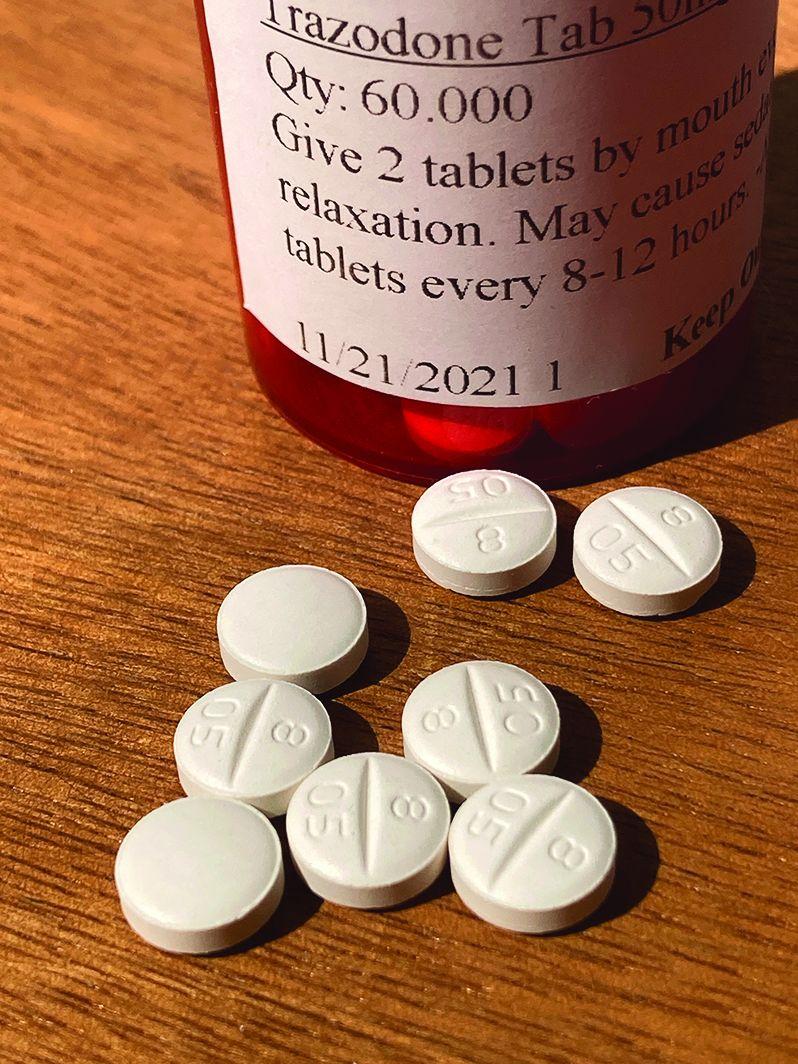
Trazodone is a medication commonly prescribed to treat depression, anxiety, and insomnia. Some patients have been left wondering, “Does Trazodone cause hair loss?” This concern is quite prevalent, as changes in hair health can be distressing. Understanding the relationship between Trazodone and hair loss is essential for anyone considering or currently using this medication. Let’s dive into the details!
Understanding Trazodone and Its Uses
Trazodone works primarily as an antidepressant and is often utilized off-label for conditions such as anxiety and insomnia. By balancing chemicals in the brain that affect mood and emotions, Trazodone can provide relief for those struggling with these issues. It’s part of a class of medications known as serotonin modulators.
Common Uses of Trazodone
- Depression Treatment: Trazodone helps patients manage symptoms of depression effectively.
- Anxiety Relief: It can decrease anxiety levels in some individuals.
- Sleep Aid: Due to its sedative properties, Trazodone is frequently prescribed for insomnia.
Despite its benefits, some users may be concerned about potential side effects, including “Does Trazodone cause hair loss?” Hair thinning or loss can be alarming, so it’s crucial to explore this topic in detail.
The Connection Between Trazodone and Hair Loss
While research directly linking Trazodone to hair loss is limited, anecdotal evidence suggests that some patients experience hair thinning while on the medication. Let’s explore the potential mechanisms behind this phenomenon.
How Trazodone May Impact Hair Health
- Hormonal Changes: Medicines like Trazodone can affect hormone levels, which in turn may influence hair growth.
- Nutritional Deficiencies: Antidepressants may impact appetite, leading to potential nutritional deficiencies that can affect hair health.
- Stress and Anxiety: Ironically, the very conditions Trazodone aims to treat can lead to hair loss. Stress is a well-known factor in hair thinning.
It is also essential to consider individual variances when it comes to medication effects. What might cause hair loss in one individual may not affect another at all.
The Science Behind Hair Loss and Medications
Common Medications Associated with Hair Loss
Some medications are well-known for causing hair thinning. These typically include:
- Antidepressants: A few, like SSRIs, have been linked to hair loss.
- Blood Pressure Medications: Certain antihypertensives can lead to hair thinning.
- Hormonal Treatments: Birth control pills can affect hair growth patterns.
It’s important to differentiate between causation and correlation—just because hair loss occurs while on Trazodone doesn’t mean that the medication is the sole culprit.
Recognizing Signs of Hair Loss
Being aware of the signs of hair loss is crucial for those concerned about the effects of Trazodone. The primary indicators include:
- Increased Shedding: Finding more hair on your brush or in the shower.
- Thinning: Noticeable thinning or widening of the part in your hair.
- Bald Spots: Small patches of thinning or loss in certain areas.
Should you notice these signs while on Trazodone, it’s wise to consult a healthcare provider about your concerns.
How to Manage Potential Hair Loss
If you find yourself wondering, “Does Trazodone cause hair loss?” and begin noticing signs of thinning, here are some management strategies that could help:
Consult a Healthcare Professional
The first step is always to talk to a healthcare professional. They can evaluate your situation and discuss potential alternatives or adjustments.
Nutritional Support
Consider focusing on a balanced diet rich in vitamins and minerals that promote hair health, such as:
- Biotin: Supports hair growth.
- Iron: Essential for healthy hair follicles.
- Omega-3 Fatty Acids: Promotes scalp health.
Hair Care Practices
- Gentle Washing: Use gentle shampoos and conditioners to reduce breakage.
- Avoid Heat Styling: Limit the use of heat styling tools that can damage hair.
Alternative Medications
For those who are particularly concerned about hair loss while using Trazodone, there are alternatives that might provide similar effects without undesirable side effects. Some possible options include:
Other Antidepressants
- Bupropion: Known for having a lower risk of hair loss.
- Citalopram: Frequently prescribed with fewer complaints of hair thinning.
Natural Supplements
While they should be approached cautiously and discussed with a healthcare provider, certain natural supplements may aid in mood regulation without impacting hair health as adversely as some medications.
Evidence and Research
While the casual relationship between Trazodone and hair loss remains somewhat muddled in research, anecdotal evidence suggests it may factor into the hair health of certain individuals. For a deeper dive into related studies, this article on hair loss from the American Academy of Dermatology offers insightful information.
Current Research Studies
To keep abreast of research findings concerning hair loss and medications, periodically check reputable medical websites and consult your healthcare provider for the latest studies.
Conclusion
while the question “Does Trazodone cause hair loss?” has yet to be definitively answered, it’s clear that hair health is a multifaceted issue influenced by various factors, including medication, nutritional status, and overall well-being. It’s important for users to remain vigilant and proactive about their health. If you experience any hair loss concerns while on Trazodone, don’t hesitate to seek advice from healthcare professionals who can help you navigate your options.
With the right information, a dash of humor, and a sprinkle of self-care, we can tackle even the most puzzling of medication concerns while keeping our hair fabulous and fierce! 💁♀️