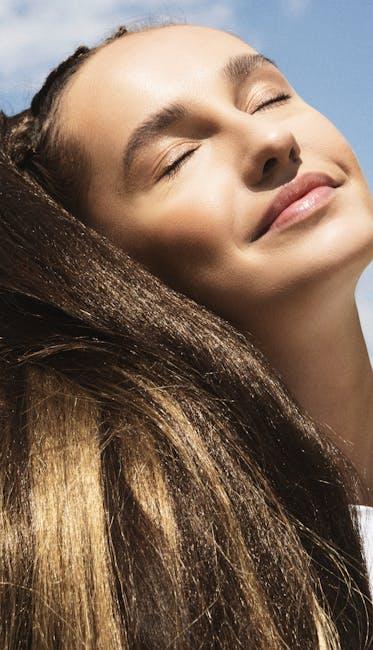
Does Testosterone Help Hair Growth? This fascinating topic garners attention from both men and women, as hair growth can be an emotional and aesthetic journey for many. Understanding how testosterone influences hair growth is essential for those seeking to navigate through thinning hair woes or simply wanting to understand more about their bodies. In this article, we’ll dive deep into the relationship between testosterone and hair growth, exploring the science, benefits, and some delightful tips for those interested in enhancing their luscious locks.
Understanding Testosterone and Its Role in Hair Growth
What is Testosterone?
Testosterone is a critical hormone, primarily known as the male sex hormone, although it plays vital roles in both men’s and women’s bodies. Produced mainly in the testicles and ovaries, testosterone helps develop male physical traits, such as increased muscle mass, improved bone density, and, of course, hair growth.
How Does Testosterone Impact Hair Growth?
When it comes to hair growth, testosterone is transformed into another hormone called dihydrotestosterone (DHT). DHT is notorious for its role in hair loss but, interestingly, it can also stimulate hair development in certain areas! This hormonal push and pull can create confusion for many, especially those wishing to encourage luscious hair growth.
The Science Behind DHT and Hair Follicles
Understanding DHT
Dihydrotestosterone (DHT) is a derivative of testosterone. It binds to hair follicles, impacting their growth cycle. For some, this can lead to thicker mane growth in areas such as the beard or chest, while others may experience thinning hair on the scalp.
DHT Sensitivity and Hair Loss
Not all hair follicles react similarly to DHT. Some hair follicles are more sensitive than others, which can lead to what we call androgenetic alopecia or pattern hair loss. This condition affects a large percentage of men and women, often leading to thinning hair or bald patches. It’s worth noting that while DHT can stimulate hair growth in some areas, it can do the opposite on the scalp.
The Effects of Testosterone on Women’s Hair Growth
Testosterone Levels in Women
Women produce testosterone, though in lower amounts than men. Fluctuations in testosterone levels occur throughout a woman’s life, particularly during periods such as puberty, pregnancy, and menopause. Elevated testosterone levels can lead to unwanted hair growth on the face and body, while simultaneously causing thinning hair on the scalp.
The Balance is Essential
Maintaining a healthy balance of testosterone is crucial for women. Too much testosterone can intensify male-pattern baldness, while too little may lead to brittle and thinning hair.
Natural Ways to Manage Testosterone Levels
Tips to Optimize Testosterone Levels
- Regular Exercise: Engaging in strength training can boost testosterone levels naturally while supporting overall hormone balance.
- Quality Sleep: Ensuring adequate sleep is vital for hormone production and overall wellness.
- Healthy Diet: Eating a balanced diet rich in healthy fats, proteins, and leafy greens can help maintain optimal testosterone levels while promoting healthy hair.
Results: Testosterone in Hair Growth
Understanding Individual Results
It’s crucial to understand that individual results may vary widely when exploring does testosterone help hair growth. What works for one person may not work for another. Factors like genetics, lifestyle, and overall health play significant roles in hair growth.
Key Factors Impacting Hair Growth
Genetics: A major influencing factor isn’t just testosterone levels but also genetic predisposition. If hair loss runs in the family, you might be at higher risk regardless of testosterone levels.
Nutrition: A nourishing diet supports healthy hair growth and overall bodily functions. Key vitamins and minerals, like Biotin and Zinc, are known hair growth boosters.
Stress Management: High stress can contribute to hair loss. Managing stress through yoga, meditation, or hobbies you love is crucial.
Debunking Myths: Testosterone and Hair Growth
Myths vs. Facts
There are tons of myths surrounding testosterone and hair growth. Let’s sprinkle some clarity on a few common misconceptions.
- Myth 1: Testosterone only promotes hair loss.
Fact: While DHT can lead to hair loss in some individuals, testosterone also encourages growth in certain areas.
- Myth 2: More testosterone equals more hair.
Fact: An intricate balance is necessary. Excessive testosterone may contribute to hair thinning in women.
Practical Solutions for Hair Growth
Exploring Treatments
For those interested in exploring what’s available, here are some popular treatments that target hair growth while considering testosterone levels.
FDA-Approved Treatments
- Minoxidil (Rogaine):
- Effective in stimulating hair follicles
– Suitable for both men and women
- Finasteride (Propecia):
– Reduces DHT levels, helping combat hair loss
– More commonly prescribed for men
Natural Remedies for Healthy Hair Growth
- Essential Oils:
– Oils like rosemary and peppermint are rumored to promote hair growth.
- Supplements:
– Consider biotin or saw palmetto to support hair health.
- Scalp Massages:
– Enhances blood circulation to the hair follicles, potentially stimulating growth.
Conclusion: A Healthy Path to Hair Growth
So, does testosterone help hair growth? The answer is multi-faceted. Testosterone plays a significant role in hair growth, but it’s not a straightforward path. Balancing hormone levels, understanding genetics, nurturing your body with quality nutrition, and adopting healthy lifestyle habits can all contribute to better hair health. Exploring treatments and perhaps a sprinkle of patience might just lead to those fabulous locks you desire. Remember, hair care is an intimate journey, and every journey is unique!
For further reading on the relationship between hormones and hair health, check out this insightful article on Healthline and Mayo Clinic.
Embrace your hair journey, find what works for you, and let those tresses shine!