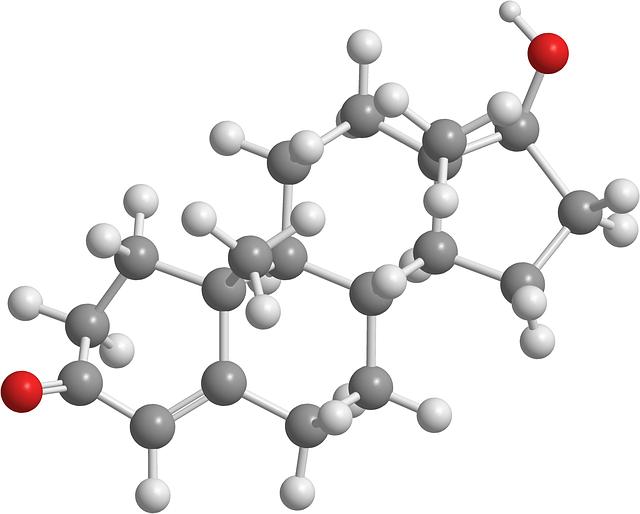
Does Testosterone Cause Hair Growth? It’s a delightful query that brings to mind images of luscious locks and healthy hair. The relationship between testosterone and hair growth is more intricate than just a simple yes or no. This article delves deep into the world of hormones, showcasing how testosterone influences hair growth in both men and women, and clearing up common misconceptions. Fasten your seatbelts; we’re about to embark on a hair-raising journey!
Understanding Testosterone’s Role in Hair Growth
Testosterone, the hormone often associated with masculinity, has a staggering effect on various bodily functions, including hair growth. It’s like the fairy godmother of the hair world! Though primarily considered a male hormone, women also produce testosterone, albeit in lower amounts.
The Science Behind Testosterone and Hair
Testosterone’s magic wand can catalyze hair growth in several ways. Here’s a brief overview:
- Dihydrotestosterone (DHT): Testosterone can convert into DHT, a more potent form of the hormone. DHT binds to hair follicles, which can lead to increased hair thickness and growth in some regions while causing hair loss in others. This gives testosterone a dual nature; it’s both a hero and a villain!
- Hair Growth Phases: Testosterone impacts the hair growth cycle, enhancing the anagen (growth) phase. This phase ensures that hair strands grow longer and thicker.
- Genetic Sensitivity: Not everyone responds to testosterone in the same way. Genetics plays a significant role in how our hair follicles react to hormones.
Let’s break down the types of hair growth testosterone influences:
| Type of Hair Growth | Impact of Testosterone |
|———————-|——————————————————–|
| Terminal Hair | Increased growth, especially in areas like the beard, chest, and underarms |
| Vellus Hair | Testosterone can convert fine vellus hair into terminal hair |
| Scalp Hair | While it promotes growth in some areas, it can lead to thinning in others due to DHT |
It’s essential to remember: while testosterone can foster hair growth in specific areas, it can also provoke hair thinning or loss, particularly in regions where individuals are genetically predisposed to hair loss conditions.
The Connection Between Testosterone and Hair Loss
In the quest to answer the age-old question, Does Testosterone Cause Hair Growth?, it’s vital to explore its darker side—causing hair loss. Here’s where things get really juicy!
The DHT Dilemma
High levels of DHT can lead to androgenetic alopecia, commonly known as male-pattern baldness or female-pattern baldness. Typically characterized by thinning hair and receding hairlines, androgenetic alopecia is often inherited. What may surprise you is that many women also contend with this condition as they age.
When DHT attaches to androgen receptors on hair follicles, it makes them shrink. This shrinking can shorten the lifespan of hair and diminish overall hair density. As a result, while testosterone might nurture hair growth in some areas, it can sadly stunt growth in other problem zones.
Factors Influencing DHT Sensitivity
- Genetics: If your family has a history of hair loss, there’s a likelihood of higher sensitivity to DHT.
- Hormone Levels: Imbalances in hormones can significantly influence how much DHT your body produces.
- Health Conditions: Things like polycystic ovary syndrome (PCOS) can raise testosterone levels in women, thereby increasing DHT levels.
For more information on DHT’s impact on hair loss, check out this comprehensive guide from the American Hair Loss Association: American Hair Loss Association.
Testosterone Replacement Therapy and Hair Growth
As more people explore the option of testosterone replacement therapy (TRT) for various health concerns, the question arises: Does Testosterone Cause Hair Growth? Let’s dive deeper into the world of TRT.
TRT and Hair Growth: The Good and The Bad
- Positive Outcomes: For individuals with medically low testosterone levels, TRT can lead to increased hair growth in areas previously lacking. It’s like a bloom in a garden that desperately needed some sunshine!
- Negative Outcomes: For those already experiencing hair thinning due to DHT sensitivity, adding testosterone may exacerbate their hair loss. It’s crucial to consult with a healthcare provider before starting any therapy regimen.
Monitoring Effects of TRT on Hair
Patients undergoing TRT should ensure consistent monitoring:
- Regular Check-ups: Follow-up consultations can help gauge hair growth progress and any unintended side effects.
- Blood Tests: Regularly check testosterone and DHT levels to maintain hormonal balance.
Your medical professional can provide tailored advice suited to individual hair growth patterns and health.
Natural Ways to Manage Testosterone for Healthy Hair Growth
If you’re concerned about testosterone levels affecting your luscious mane, fret not! There are several ways to manage testosterone naturally that could promote healthier hair growth while mitigating the adverse effects of high levels of DHT.
Diet and Nutrition
Eating well can positively impact hormonal balance and thus influence hair growth. Key nutrients for luscious hair include:
- Vitamins: Vitamins A, C, D, and E are fabulous for hair health. They can improve circulation and overall hair growth.
- Minerals: Zinc and iron are key players in hair strength and growth.
- Proteins and Omega Fatty Acids: Hair is primarily made of protein, and incorporating omega-3 fatty acids can keep your hair nourished.
Stress Management
Stress can wreak havoc on hormone levels. Engaging in activities like yoga, meditation, and maybe even treating yourself to a spa day can help you relax and make your hair shine brightly.
Herbal Supplements
Certain herbal supplements like saw palmetto can help block the conversion of testosterone to DHT. Always consult with a healthcare professional before starting any new supplement regime.
The Influence of Age and Hormones on Hair Growth
As we age, our hormonal levels fluctuate, affecting our hair growth. Understanding this can help us understand how testosterone affects hair growth at various life stages.
Aging and Hair Growth
With each passing decade, hormone levels naturally decline. This, combined with the genetic components of hair loss, often leads individuals to wonder about their hair growth cycle.
- In Women: Post-menopause, women often experience a significant decline in estrogen, allowing testosterone (and subsequently DHT) to dominate, leading to a potential increase in hair thinning.
- In Men: Testosterone levels gradually decline with age. Simultaneously, increased levels of DHT may lead to male pattern baldness.
Customized Hair Care Routines
Crafting personalized hair care routines according to aging factors can also help in achieving healthy hair. Consider using products designed to combat hair thinning while providing nourishment.
Conclusion: Finding Harmony in Hair Growth
In the tapestry of hormones, it’s clear that testosterone plays a significant role in dictating the hair growth narrative. While it can encourage hair growth in certain areas, it can also spell trouble for others, particularly concerning DHT levels. Striking a balance is essential for maintaining healthy hair, so it’s vital to consider individual health circumstances, diet, and lifestyle choices.
Whether you’re experiencing hair changes or simply want to understand the relationship between testosterone and hair, Does Testosterone Cause Hair Growth is not only about affirming hair growth; it’s about embracing our individual hair journeys. Remember—it’s all about finding the right balance and keeping the locks luscious!
For additional insight into hormonal influences on hair, refer to resources like the Mayo Clinic: Mayo Clinic.
Embrace your hair, cherish its individuality, and shine bright like the radiant gem you are!