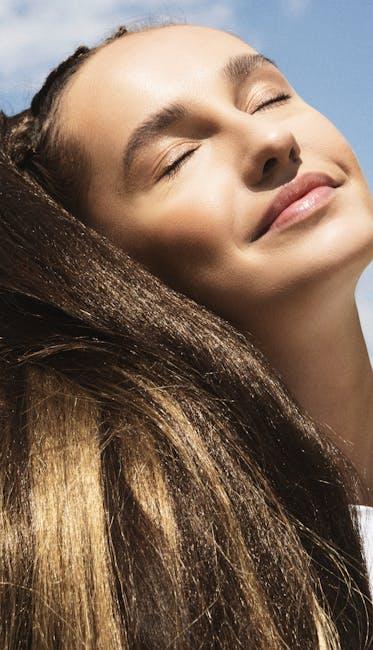
Does Sleep Deprivation Cause Hair Loss? It’s a question that has been swirling around in the beauty and wellness circles like the latest trend in hair treatments. For those who adore their luscious locks, understanding the relationship between sleep and hair health is absolutely essential. In this comprehensive exploration, we will dive deep into the link between sleep deprivation and hair loss, unpack the science behind it, and share a few pearls of wisdom that might just save your strands!
Understanding Sleep Deprivation
Sleep deprivation isn’t just about those late-night Netflix binges (though we’ve all been there with a face mask on, popcorn in hand). It refers to a state where an individual doesn’t get the recommended amount of sleep for their age group, which typically ranges from 7 to 9 hours per night for adults. When sleep is consistently compromised, a cocktail of negative effects starts brewing, affecting not only mood and cognitive functions but also overall health, including hair.
The Importance of Sleep for Overall Health
Sleep is like the fairy godmother of health, casting a magic spell on your body every night. While we snooze, our bodies engage in critical restorative processes, including:
- Cell Repair: This is when your body fixes itself, repairing damage done during the day. Think of it as your beauty sleep – your skin and hair need this time to rejuvenate.
- Hormonal Balance: Sleep helps regulate hormones, including those that control stress and appetite. And we all know that stress hormones can unleash havoc on our body, especially our hair.
- Immune Function: A solid slumber boosts your immune system, keeping illness at bay. Who wants to deal with a fever and frizz? Not this girl!
In other words, sleep deprivation can create a domino effect leading to a myriad of health issues, including hair loss.
The Connection Between Sleep and Hair Health
Hormonal Imbalance and Hair Loss
Ah, hormones! Those little messengers that can swing our moods and influence our hair. Sleep deprivation significantly affects hormone levels. When you don’t get enough sleep, cortisol levels (the stress hormone) increase, leading to an imbalance in sex hormones like estrogen and testosterone, which are essential for healthy hair growth.
- High Cortisol Levels: Chronic elevation of cortisol can lead to telogen effluvium, a common type of hair loss where hair follicles enter a resting state causing thinning and shed hair.
- Decreased Estrogen: Women, in particular, require a balanced level of estrogen to maintain vibrant hair. Sleep deprivation can upset this delicate balance.
Reduced Blood Circulation
During deep sleep stages, blood circulation improves to various parts of the body, including the scalp. Reduced circulation means less oxygen and fewer nutrients are delivered to hair follicles, which can lead to weakened strands and ultimately hair loss.
Impaired Nutrition Absorption
Sleep is also the time when our bodies absorb and utilize nutrients efficiently. If sleep isn’t prioritized, nutrient absorption decreases, meaning that even if you’re indulging in all the right vitamins for hair health—like biotin, iron, and zinc—your body might not be able to make the most of them.
Genetics and Susceptibility
It’s also important to note that while sleep deprivation plays a significant role, individual genetic susceptibility can also influence whether someone experiences hair loss due to lack of sleep. Some lucky ones may bob around with barely a strand out of place, while others might see a few more in their hairbrush.
Addressing Sleep Deprivation to Prevent Hair Loss
Building a Sleep Routine
Creating a solid sleep routine can work wonders. Here are some charming tips to help you catch those elusive Zzzs:
- Establish a Sleep Schedule: Go to bed and wake up at the same time every day. Consistency is key! (Your hair will thank you later).
- Create a Cozy Sleep Environment: Make your bedroom an oasis—think soft pillows, cozy blankets, and maybe even a lovely lavender-scented candle.
- Limit Screen Time: Avoid those bright screens at least an hour before bedtime. Science says they disrupt melatonin production, and we don’t want that!
Nutrition for Better Sleep
Eating well contributes to both quality sleep and beautiful hair! Certain foods can promote better sleep and help nourish those hair follicles:
- Magnesium-Rich Foods: Fill your plate with leafy greens, nuts, seeds, and whole grains to support restful sleep.
- Omega-3 Fatty Acids: Fatty fish like salmon or supplements can enhance circulation and consequently promote hair growth while you’re dreaming away.
- Stay Hydrated: Don’t forget to drink plenty of water. Hydration is crucial for maintaining both hair health and sleep quality.
Stress Management Techniques
Balancing life’s stresses can significantly impact sleep quality. Engaging in activities like yoga, meditation, or even a little dance party (yes, dance it out, girl!) can lower cortisol levels and promote a restful night. A relaxed mind often leads to better hair days.
Recognizing the Signs of Hair Loss
Common Symptoms
Knowing when to take action is crucial. Here are some classic signs of hair loss:
- Excessive Shedding: More hair than usual in your brush, shower, or pillow is a red flag.
- Thinning Patches: Noticeable areas where hair seems to be thinning.
- Change in Hair Texture: If your hair feels brittle or shop-worn, it could indicate nutrient deficiency or stress.
Seeking Professional Help
If you’ve noticed signs of hair loss—especially if it’s persistent—the time may have come to consult a dermatologist or trichologist. They can provide tailored advice and treatment options suited to your specific needs, perhaps including topical treatments or dietary adjustments.
Natural Remedies for Hair Health
Essential Oils
Some delightful essential oils can help nourish your locks and promote growth. Here are a few top picks:
- Rosemary Oil: Known to stimulate blood circulation in the scalp.
- Peppermint Oil: Creates a beautifully fresh sensation while promoting hair growth.
- Lavender Oil: Soothes both mind and scalp; plus, the scent helps with relaxation—perfect for a good night’s sleep!
Herbal Supplements
Adding herbal supplements like saw palmetto or ginseng can also aid in hair health and promote better sleep by reducing stress. Remember to consult with a healthcare provider before diving into the supplement world.
Avoiding Heat Styling
Minimizing heat styling tools will help prevent further damage. Embrace your natural texture more often—your hair will thank you!
Conclusion
the connection between sleep deprivation and hair loss is as real as those messy bun days! If you’re left wondering, “Does Sleep Deprivation Cause Hair Loss?” the answer is a resounding yes. Prioritizing sleep can significantly improve hair health, leading to luscious locks that flow down like a Disney princess.
By understanding the impact of sleep, managing stress, and making nourishing choices, it’s entirely possible to reclaim your glossy hair and turn those sleep-deprived worries into dreams of vibrant beauty and self-care. Remember, fabulous hair starts with fabulous sleep!
For those still on the fence about this relationship, check out these sources: NIH on Sleep and Hair Loss and Healthline’s insights on sleep. Now, let’s get those beauty zzz’s and slay the day!