Does Simpler Hair Color Irritate Skin? Many of us love changing our hair color to express our fabulous selves, but it’s essential to consider what that colorful magic is doing to our delicate skin. The question is not just about flaunting a new shade but also about maintaining healthy skin, especially when chemical hair dyes might trigger some unwanted reactions. This delightful journey through the world of hair color will uncover whether simpler hair color products can irritate our skin and provide you with the knowledge to make cozy, confident choices.
Understanding Hair Color and Its Composition
Hair color products come in various forms, but they often contain a blend of chemicals designed to alter the hair’s natural shade. It’s crucial to know what’s inside those sweet-smelling bottles and how they can impact your skin.
Common Ingredients in Hair Color
- Ammonia: Often used to help the dye penetrate the hair shaft but can be harsh on the skin.
- Hydrogen Peroxide: Lightens hair but may cause irritation, especially if it comes into contact with the skin.
- Parabens: Used as preservatives in many cosmetic products, which can trigger allergic reactions for some.
Do you see? The complexity begins even before we put the color on our tresses! Those dazzling hues come with a price tag on skin comfort.
Hair Color and Skin Irritation
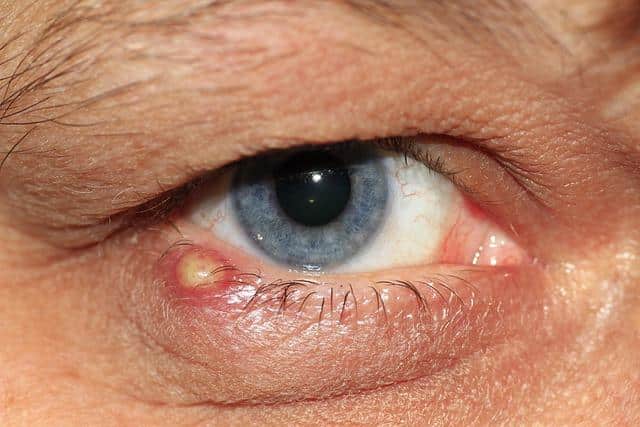
Skin irritation from hair dyes can manifest in several ways, from mild redness and itching to serious allergic reactions. Here’s a closer look at how these troubles might emerge:
- Allergic Contact Dermatitis: This is a common reaction, typically caused by a sensitivity to ingredients in hair dye, like PPD (paraphenylenediamine). Such allergies can result in rashes, swelling, and blistering.
- Chemical Burns: A less common yet severe reaction, particularly when hair color is left on longer than recommended instructions suggest.
Taking a deep breath of relief, it’s essential to understand that the likelihood of skin irritation can often be minimized by being a savvy consumer.
Assessing Your Skin’s Sensitivity
Not all skin is created equal, darling. Here are some tips to assess whether your skin might react to simpler hair color and what to do about it:
- Patch Testing: Before diving headfirst into that new shade, apply a small amount of dye on your inner arm. Wait 48 hours to see if any reaction occurs.
- Know Your Skin Type: Sensitive, oily, dry, or combination skin types may react differently. It’s all about knowing your glorious self!
If you suspect you’re prone to skin irritation, consider opting for hair colors labeled as hypoallergenic, which often omit the harshest chemical offenders.
Benefits of Simpler Hair Color Options
Not all heroes wear capes, my friends—sometimes, they come in simple, lovely boxes. Simpler hair color products are often designed with gentler formulas that minimize skin irritation risks. Let’s explore how these beauties can be beneficial:
Natural Ingredients
Many simpler hair colors focus on natural or organic ingredients, reducing the likelihood of irritations. Look for products with:
- Plant Extracts: Like aloe vera or chamomile for soothing skin care.
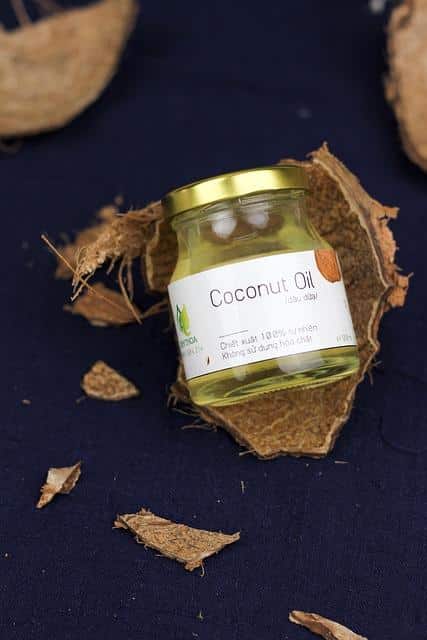
- Essential Oils: Such as coconut or argan oil, which can hydrate and protect the skin during coloring.
These delightful components make the coloring process feel like a pampering session rather than a chemical-laden experience.
Ammonia-Free Formulas
Say goodbye to ammonia’s harshness! Ammonia-free options are a fabulous choice for those sensitive skin types looking to avoid irritation. These formulas often employ substitutes that are gentler and can lead to less skin discomfort.
Semi-Permanent vs. Permanent Hair Color
When considering whether simpler hair color irritates your skin, possibility arises from understanding the types of color:
- Semi-Permanent Hair Color: Usually free from ammonia and peroxide, they gently coat your hair without altering the structure, leading to less irritation.
- Permanent Hair Color: Involves stronger chemicals that change the hair’s structure. These are more likely to irritate the skin if you’re sensitive.
Opting for semi-permanent can be an excellent step towards fabulous color while keeping irritations at bay.
Choosing the Right Simplified Hair Color
Navigating the colorful world of hair dyes can feel overwhelming. Here’s how you can confidently choose the right simpler hair color for your gorgeous locks:
Research Brands
Look for brands that prioritize gentle formulas. Remember to check reviews and ratings to see if other users experienced irritation. You’ll want to stick with reputable brands that respect both your hair and skin.
Ingredients Matter
Always read the ingredient list! If there are any unfamiliar chemicals that you can’t pronounce (or sound like they belong in a science lab), it may be wise to put that product back on the shelf.
Styling Tips to Minimize Skin Irritation
Once you’ve found that perfect box of color, there are still a few tips and tricks to avoid skin irritation. Let’s make sure your coloring adventure is as fabulous and carefree as possible!
Pre-Coloring Prep
- Skin Barrier: Apply a thin layer of petroleum jelly or a specialized barrier cream around your hairline; it acts as a protective shield.
- Hair Strand Test: Always perform a strand test to see how long you can leave the dye without irritation.
During Coloring
- Follow Instructions: Stick to the time guidelines; don’t get too adventurous!
- Ventilation: Make sure there’s good airflow in the room; it helps reduce irritation from fumes.
Post-Coloring Care
- Gentle Cleanse: After rinsing, opt for a color-safe shampoo and conditioner to nourish your hair and scalp.
- Hydrate Your Skin: Use a soothing lotion or oil on the scalp to prevent dryness and irritation post-dye.
Monitoring Skin Reactions
After using any hair color, be on the lookout for signs of irritation. The sooner you identify potential problems, the quicker you can act.
Common Symptoms to Watch For
- Itching or redness
- Swelling around the application area
- Rash development
If any of these delightful symptoms appear, clean the affected area gently and contact a healthcare professional if necessary.
Conclusion on Simpler Hair Color and Skin Irritation
In wrapping things up, the question Does Simpler Hair Color Irritate Skin? has a nuanced answer. While simpler hair color products tend to be kinder to your skin, individual reactions can vary based on numerous factors. It’s all about being informed and aware.
By patch-testing, choosing quality products with gentle ingredients, and taking care of your skin before, during, and post-coloring, you can enjoy your fabulous new hue without the worry of irritation. Hair color should be a joyful expression, not a discomfort—so go ahead, be bold, be colorful, and embrace your gorgeous self!
Remember, beauty should never come at the expense of comfort. So, let’s keep that radiant glow, both in our locks and on our skin! Happy coloring, gorgeous!
For more detailed insights on hair color and safety, you can explore NCBI’s articles and the FDA’s guidelines.