Does Ms Cause Hair Loss? Let’s dive into this topic with a sprinkle of sass and a whole lot of information!
Understanding Multiple Sclerosis and Its Effects
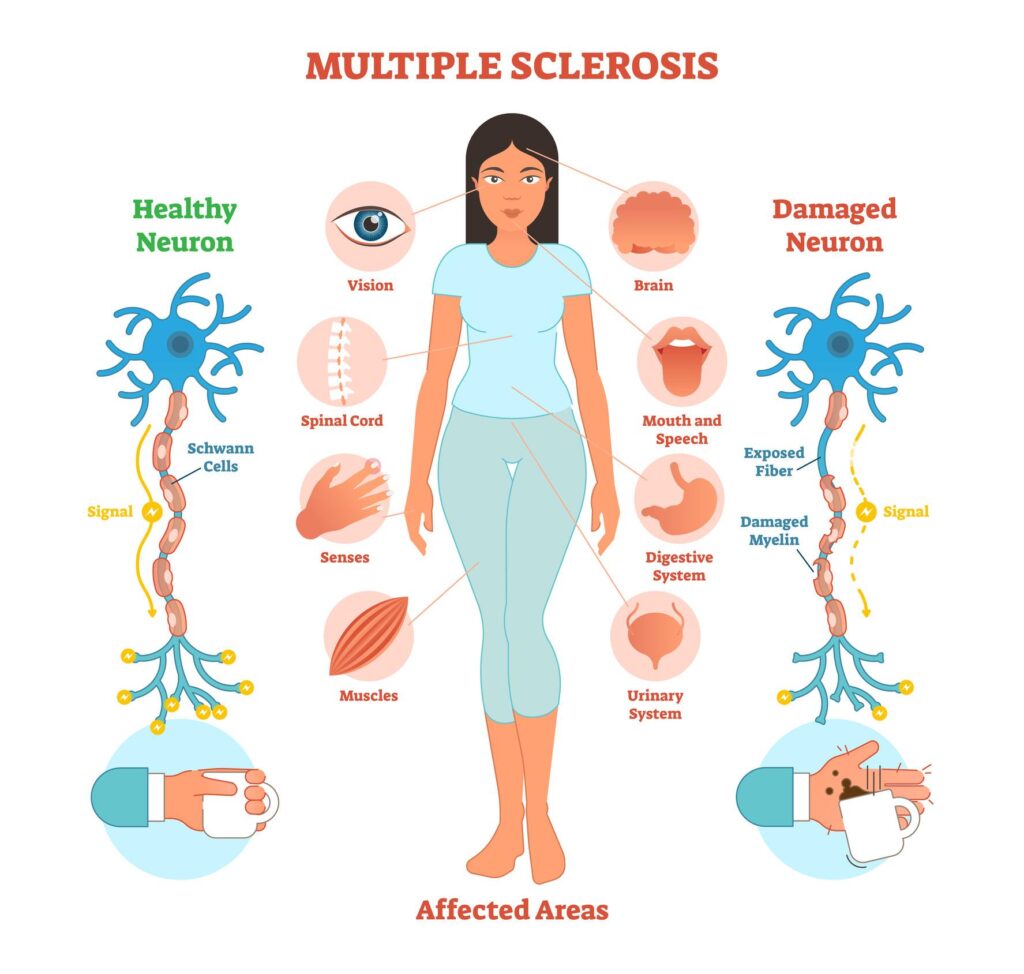
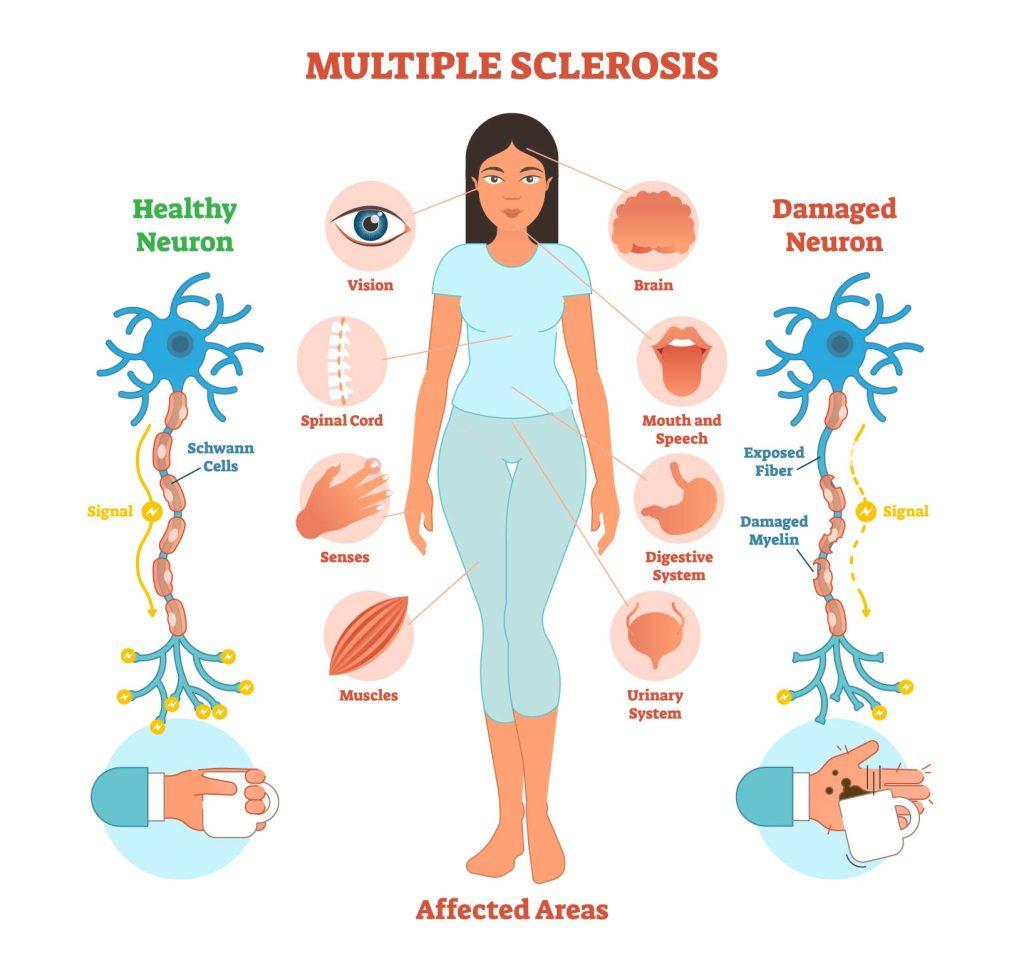
Multiple Sclerosis (MS) is a chronic disease that affects the central nervous system. It can create a cocktail of symptoms that vary wildly between individuals. From fatigue to mobility issues, the impact of MS can feel like a never-ending drama. But does MS cause hair loss? It’s a question that has sparked a multitude of discussions within the MS community. Let’s unpack this by first understanding what MS is.
What Is Multiple Sclerosis?
MS is an autoimmune condition where the immune system mistakenly attacks the protective sheath (myelin) that covers nerves. This can lead to communication problems between the brain and the rest of the body. Symptoms can be unpredictable and can change over time. Common symptoms include:
- Fatigue
- Numbness or tingling
- Muscle weakness
- Vision problems
- Cognitive changes
While these symptoms can be distressing enough, many wonder, “Does MS cause hair loss?” The answer is multi-faceted and requires a closer look at the connection between MS and hair health.
The Link Between MS and Hair Loss
When we talk about hair loss in the context of MS, it’s essential to distinguish between the direct effects of the disease itself and the secondary effects of treatment options. Though MS doesn’t typically cause hair loss directly, indirectly, it can play a significant role in hair health.
Direct Effects of MS on Hair Loss
Fatigue and Stress: Let’s face it, living with MS is stressful. The fatigue and challenges can lead to stress, which is one of the most common culprits behind hair loss. Stress can trigger a form of hair loss known as telogen effluvium, where hair follicles enter the resting phase and eventually fall out.
Nutritional Deficiencies: Living with MS often leads to lifestyle changes that can affect nutrition. If the body doesn’t get enough vitamins and minerals, like zinc and iron, hair loss can occur. Isn’t it funny how sometimes the things we take for granted can go haywire when we least expect it?
Indirect Effects of Treatments
Many MS treatments can also contribute to hair loss. For instance:
- Immunomodulators: These medications work by altering the immune system. While they help manage MS symptoms and reduce flare-ups, some users experience hair thinning.
- Corticosteroids: Often prescribed for symptom management, these can lead to hair shedding as a side effect.
Understanding the question “Does MS cause hair loss?” thus requires an exploration of medications and lifestyle adjustments that may result in less-than-luscious locks.
Types of Hair Loss Associated with MS
When it comes to what type of hair loss individuals with MS might experience, there are a few common types to be aware of:
1. Telogen Effluvium
As mentioned earlier, telogen effluvium is a temporary form of hair loss that usually happens after stress, illness, or shock to the body. This type of hair loss may return to normal as the body adjusts.
2. Alopeica Areata
While less common, some individuals with autoimmune conditions like MS may develop alopecia areata, which leads to sudden hair loss in patches.
3. Nutritional Deficiency Hair Loss
Inadequate nutrition can lead to widespread thinning of hair. This can be reversed by improving dietary intake or through supplements.
Management of Hair Loss for MS Patients
So, what can those with MS do to manage or prevent hair loss? Here are some practices to consider, sprinkled with a little bit of joy!
1. Maintain a Balanced Diet
Eating a well-rounded diet full of vitamins and minerals is essential for hair health. Think colorful veggies, lean proteins, and whole grains! Foods rich in Vitamin D, Biotin, and Zinc can play a crucial role in maintaining luscious locks.
2. Stress Management Techniques
Embracing mindfulness practices such as yoga, meditation, or even reading a good book can minimize stress levels. Finding happiness is key!
3. Consult Healthcare Providers
Whether it’s discussing medication alternatives or exploring supplements, having an open dialogue with healthcare providers can be incredibly beneficial.
4. Topical Treatments
Using shampoos and treatments designed for hair thinning can help manage the appearance of hair loss. Look for products containing ingredients known to promote hair health, such as minoxidil.
Hair Care Tips for MS Patients
In addition to treatment, establishing a gentle hair care routine is fundamental for those concerned about hair loss.
Avoid Harsh Treatments
Refrain from using harsh chemicals, heat styling tools, and tight hairstyles, as these can exacerbate hair fall. Opt for natural products that care for your hair without damaging it.
Regular Scalp Massages
A good scalp massage not only feels heavenly but can also increase blood flow to your hair follicles. Plus, who doesn’t love a little pampering?
Stay Hydrated
Water is your best friend when it comes to overall health and hair health too! Staying hydrated balances the hair and scalp condition and can help minimize breakage.
When to Seek Further Help
Noticing more hair loss than usual can be alarming! It’s essential to consult a dermatologist or healthcare provider if hair loss is:
- Sudden and patchy
- Accompanied by other symptoms
- Worsening over time
They can determine whether there’s an underlying condition that needs addressing or if it’s simply a phase.
Conclusion: Embracing Your Beauty
As we’ve learned, the answer to “Does MS cause hair loss?” is not a simple yes or no. The relationship between MS, treatment options, and hair loss is layered and complex. While MS itself may not directly cause hair loss, the various factors surrounding it certainly can.
Embracing a proactive approach by maintaining a balanced diet, managing stress, and opting for appropriate hair care can make a world of difference. Remember that your beauty shines bright regardless of how many strands you have on your head.
For more in-depth knowledge, check out reputable sources like the National Multiple Sclerosis Society and Mayo Clinic. Embrace your gorgeous self and strut your stuff, hair or no hair!
Let it be a reminder that whether you have bouncy curls or just a little fluff, you are fabulous just the way you are! Keep shining, beauties!