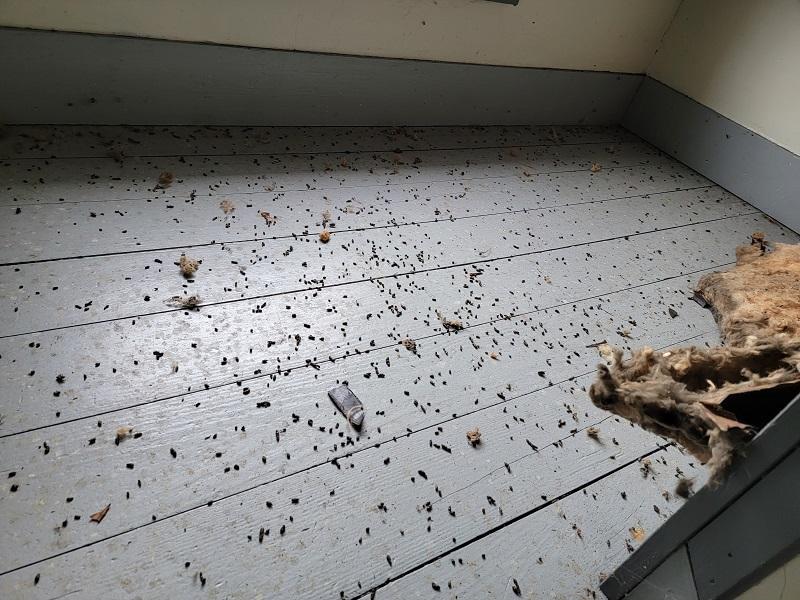
Does Mascara Have Bat Poop In It? This delightful little rumor has fluttered through beauty circles for years, leaving many of us giggling in shock at the thought of using bat droppings to enhance our lashes. But is there any truth to this fun yet slightly icky urban legend? Let’s dive deep into the world of mascara, bats, and all the fabulous ingredients that make our lashes look luscious.
The Myths Surrounding Mascara Ingredients
When it comes to mascara, the misconception that it contains bat poop primarily stems from the use of guano—a term used to describe the accumulated excrement of seabirds and bats. While that’s quite a shocking thought, it’s essential to understand the context and usage of guano in cosmetics.
What is Guano and Its Role?
- Guano is rich in nitrates and was historically used as a fertilizer, but is it really an ingredient in our beloved mascara?
- In contemporary times, guano is not commonly used in cosmetic formulations. The main reasoning behind this is advancements in cosmetic chemistry that allow for synthetic alternatives to do the job better.
So, fear not, beauty queens! While mascara might have a batty reputation, the reality is far less grim.
Traditional Ingredients in Mascara Formulations
You may wonder what ingredients are commonly found in your tube of mascara. Understanding this can help alleviate fears surrounding the possibility of bat poop in your makeup bag.
- Waxes: Beeswax and carnauba wax provide the structure and smoothness that help mascaras glide on effortlessly.
- Pigments: Carbon black and iron oxide give your lashes that gorgeous, deep black color we all crave.
- Oils: To nourish and condition your lashes, formulas often include various oils, like castor oil or jojoba oil.
- Preservatives: These magic ingredients (like parabens) keep your mascara fresh and free from nasty bacteria.
Each ingredient plays a role, and thankfully, none of them include bat droppings.
Understanding Cosmetic Regulations and Safety
As consumers, it’s always smart to question what’s going into our products. Understanding cosmetic regulations can provide peace of mind about what you are applying near your eyes.
The FDA and Cosmetic Safety
The Food and Drug Administration (FDA) oversees the safety of cosmetics, including mascara in the United States. They ensure that products are safe for consumer use, and companies must provide proof that the ingredients they use are safe.
Ingredients Disclosure: What to Look For
When you select your mascara—be it a drugstore find or high-end indulgence—check the ingredient list. Most reputable brands provide transparency regarding their formulations, and many brands proudly tout their cruelty-free and vegan certifications.
The Evolution of Mascara Formulas
The journey of mascara formulations has genuinely evolved, thanks to innovations in cosmetic chemistry.
Historical Origins of Mascara
- The first mascara date back to ancient Egypt, where both men and women used kohl to darken their eyes.
- Fast forward to the late 19th century, when a man named Eugene Rimmel invented a commercial mascara.
Modern Mascara Breakthroughs
- Today, formulas combine various ingredients for different effects, such as volume, length, and curl.
- Brands continue to innovate—using polymers and fine particles to create unique textures, and many focus on water-resistance and smudge-proof formulas.
The Importance of Vegan and Cruelty-Free Mascara
With growing awareness of animal welfare and environmental concerns, the beauty industry is embracing more vegan and cruelty-free practices.
What Does Vegan Mascara Mean?
- Vegan mascara means it contains no animal-derived ingredients—goodbye to any bat or sheep components!
- Brands are exploring plant-based alternatives to provide customers with ethical options without compromising on performance.
Choosing Ethical Beauty Products
When selecting your mascara, look for certifications such as ‘cruelty-free’ or ‘vegan.’ Popular brands like Too Faced and Tarte Cosmetics are paving the way with their commitment to ethical beauty.
Debunking Common Myths about Mascara
In addition to wondering whether mascara contains bat poop, there are other mascara myths that deserve some love.
Mascara Shouldn’t Be Shared
Sharing mascara is a big no-no!
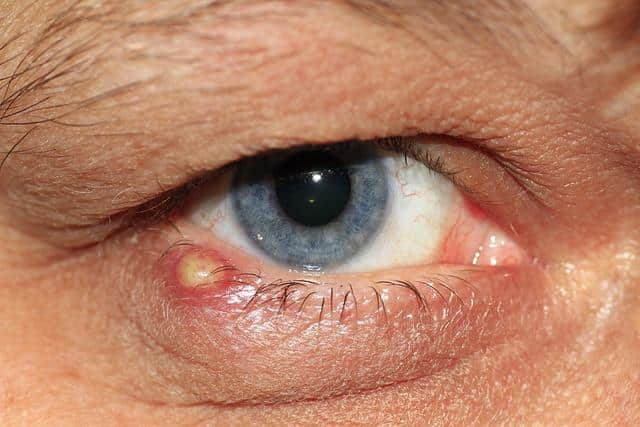
- Bacteria can grow in the tube, increasing the likelihood of eye infections.
- To keep your eyes sparkling and safe, always use your tube and your wand.
Expiration Dates Matter
Just like milk, mascara has an expiry date, and using expired products can lead to irritation.
- A good rule of thumb is to replace your mascara every three to six months.
Popular Mascara Brands and Their Ingredients
Examining popular mascara brands can help illustrate just how far formulas have come and shed light on your go-to products.
| Brand | Main Ingredients | Notes |
| Maybelline | Waxes, pigments, oils | Affordable and widely available |
| Too Faced | Peptides, natural waxes | Cruelty-free and vegan options |
| Lancome | Silicones, oils, waxes | Luxury brand with fabulous staying power |
Final Thoughts on Mascara
So, does mascara have bat poop in it? The answer is a resounding no! This myth is just that, a playful paradox that has lingered long enough to become an amusing quip in beauty culture. Understanding the real ingredients in mascara and the regulations surrounding cosmetic safety can help dispel fears and empower you to embrace your lash-enhancing journey.
With numerous safe and fabulous formulations available, every beauty lover can find their perfect mascara companion—sans guano, of course! Whether you’re going for that seductive cat-eye or an everyday natural look, your lashes can flutter free without worry. So slap on that mascara and let your beautiful eyes do the talking!
For further details on cosmetic safety, feel free to check out reliable resources like the blank”>FDA cosmetics page and the blank”>EWG Skin Deep database. Enjoy your mascara, fabulous friends!