Does Lip Balm Go Bad? If you’ve ever found a long-lost tube of your favorite lip balm lurking at the bottom of your bag or buried in a drawer, you might wonder if it’s still up for some lip-loving action. Let’s dive into the fabulous world of lip balm and uncover the truth about its shelf life.
Understanding Lip Balm Ingredients
Lip balms come in all forms and flavors, but the ingredients are key to determining their longevity. Most lip balms are made from a delightful concoction of oils, waxes, and sometimes fun flavorings or additives. Here’s a breakdown of common ingredients and how they impact shelf life:
Common Ingredients in Lip Balm
- Waxes: Beeswax or carnauba wax are popular choices that help solidify the balm and provide a protective layer on the lips.
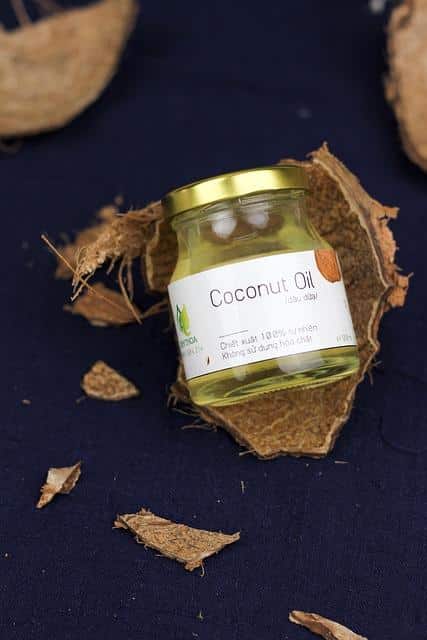
- Oils: Coconut oil, jojoba oil, and shea butter are common moisturizing agents that can affect the balm’s longevity.
- Preservatives: Some lip balms contain preservatives to prevent bacterial growth, while others rely entirely on their natural ingredients for a clean vibe.
Tip: Always check the label for ingredient info!
The Shelf Life of Lip Balm
So, does lip balm go bad? Yes, it definitely can! Understanding its shelf life is essential for maintaining the best lip health and enjoyment. Most lip balms typically last anywhere from one to three years, but this can vary based on several factors.
Factors Affecting Lip Balm Shelf Life
- Ingredients: Natural balms without preservatives will spoil faster than their synthetic counterparts.
- Storage Conditions: Keeping your balm in a cool, dry place will extend its life, whereas heat or humidity can lead to quicker degradation.
- Packaging: Tubes and pots can harbor bacteria and often spoil sooner than sealed stick balms.
Signs of Expired Lip Balm
Knowing how to identify if your lip balm has gone bad is key to preventing any beauty blunders. Here are a few signs to look out for:
- Change in Texture: If it feels grainy or overly greasy, it might be a sign it’s time to say goodbye.
- Odd Smell: Any sour or off-putting fragrance could signal that it’s spoiled.
- Discoloration: If your balm has changed color, discard it immediately!
How to Store Lip Balm Effectively
To maximize the lifespan of your lip balm and keep those luscious lips happy, storing it properly is a must.
Storage Tips
- Avoid Sunlight: Keep your lip balm in a dark place, away from direct sunlight, which can cause melting and spoilage.
- Check the Expiration Date: Always be on the lookout for that little date on the bottom! If it’s past due, toss it.
- Clean Application: Use clean fingers or applicators to keep contaminants away.
Homemade Lip Balm and Its Shelf Life
Making your lip balm at home can be a super fun project, but it comes with its own set of shelf-life challenges.
Ingredients You Should Consider for Homemade Balms
- Organic Oils: Coconut and olive oils are excellent choices, but they’ll need time limits based on their natural properties.
- Essential Oils: They add delightful scents but can also enhance spoilage if not used correctly.
- Natural Preservatives: Think vitamin E or beeswax for great longevity and added benefits!
Pro Tip: Store your homemade balms in the fridge for longer freshness!
How Long Does Homemade Lip Balm Last?
Without preservatives, homemade lip balm generally lasts up to six months. If you’ve used preservatives, you could stretch this to one year, depending on your ingredients.
Comparing Brand Name vs. Natural Lip Balms
When exploring the eternal question—does lip balm go bad—it’s important to recognize the differences between brand-name and natural options.
Brand Name Lip Balms
- Pros: Generally have additives and preservatives to prevent mold and bacterial growth. You can often expect a longer shelf life.
- Cons: Sometimes contain artificial flavors and chemicals that may not be suitable for everyone.
Natural Lip Balms
- Pros: Made with safe, nourishing ingredients that often prove healthier for your skin.
- Cons: Without proper preservatives, they can spoil quicker and may have a shorter shelf life.
| Type | Shelf Life (Approx) | Protection Against Bacteria |
|——————-|———————|——————————|
| Brand Name | 1-3 years | Yes |
| Natural | 6 months – 1 year | Varies |
The Impacts of Expired Lip Balm
Using expired lip balm isn’t just a beauty mishap—it could actually lead to unpleasant side effects!
Potential Risks of Using Expired Lip Balm
- Skin Irritation: Old ingredients can cause reactions, especially on sensitive lips.
- Breakouts: Bacteria can thrive in old balms, potentially leading to lip and skin breakouts.
- Ineffective Hydration: Expired balms lose their ability to moisturize, leaving lips dry and cracked.
Remedy: If you suspect you’ve used old balm and experience irritation, consider looking for soothing treatments to restore your pout.
Eco-Friendly Lip Balm Practices
For the sustainability queens out there, it’s super important to consider eco-friendly practices when it comes to your lip balm choices.
Choosing Environmentally Friendly Options
- Biodegradable Packaging: Look for balms packaged in materials that break down.
- Refillable Tubes: Some brands offer options that allow you to keep the same container—score for reducing waste!
- Support Local Brands: Opt for smaller companies that focus on sustainability; your lips (and Mother Earth) will thank you!
Conclusion
So, back to that nagging question, does lip balm go bad? Absolutely! Staying aware of the shelf life, storage tips, and signs of spoilage will keep your lips looking fabulous and feeling fabulous too! Whether you’re a big brand lover or prefer crafting your own, remembering these essentials will help ensure that every swipe of balm is sweet, smooth, and oh-so-necessary. Keep those lovely lips happy – because nothing says ‘I’ve got it together’ like a perfectly hydrated pout!