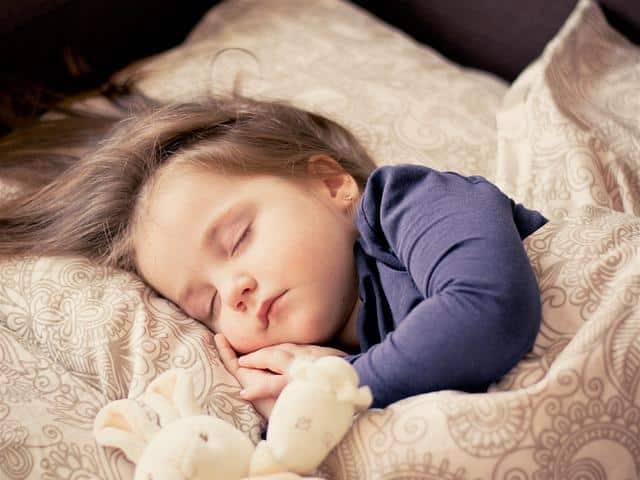
Does Lack Of Sleep Cause Hair Loss? It’s a question that many of us find ourselves pondering, especially after a night spent tossing and turning or a week of late-night Netflix binges. As hair is often seen as a vital part of our self-esteem and beauty routine, we can’t help but worry about what lack of sleep might be doing to our luscious locks. Fear not, fabulous readers! This article will delve deep into the intricate relationship between sleep and hair health.
Understanding Sleep and Its Importance
Sleep is not just a luxury; it’s a necessity! Our bodies thrive on a good night’s sleep, which is essential for a myriad of functions. When we sleep, our bodies go through various stages that help repair and rejuvenate us. During deep sleep, our body goes into repair mode, boosting hormone production and facilitating cellular growth. Now let’s get into the nitty-gritty of why sleep is so crucial.
The Stages Of Sleep
Sleep is made up of several stages, which can be categorized into two main types: Rapid Eye Movement (REM) and Non-REM sleep. Each stage plays a unique role in bodily repair and restoration.
- Non-REM Sleep: This includes light sleep, deep sleep, and transitional sleep. It’s during deep sleep that most of the body’s healing and repair occurs.
- REM Sleep: This stage is essential for cognitive functions, memory consolidation, and emotional well-being.
Getting enough of both REM and Non-REM sleep helps maintain hormonal balance, which is essential for healthy hair growth.
Connection Between Sleep and Hormones
One of the key reasons lack of sleep can cause hair loss is its adverse effect on the body’s hormonal balance. Hormones regulate nearly every aspect of our health, including hair growth. Let’s explore how sleep deprivation can upset this balance.
Stress Hormones
When we don’t get enough sleep, the body produces more cortisol, the stress hormone. Elevated cortisol levels can lead to increased shedding of hair, as it pushes hair follicles into a resting phase, resulting in eventual hair loss.
Growth Hormones
Sleep is when our body produces growth hormones. These hormones play a pivotal role in hair follicle health and growth. Low levels due to sleep deprivation can lead to slower hair growth and increased shedding.
Scientific Evidence Linking Sleep and Hair Loss
Is there science to back up the claim that lack of sleep causes hair loss? Absolutely! Multiple studies have highlighted the role of sleep in hair health. One significant study found that individuals who reported sleep disturbances had a higher likelihood of experiencing hair loss. The results suggested a direct link between sleep quality and hair fall.
Table: Study Findings on Sleep and Hair Loss
| Study | Sample Size | Findings |
|---|---|---|
| International Journal of Trichology | 1,000 Individuals | 78% reported sleep issues correlated with hair loss |
| Journal of Dermatological Science | 500 Subjects | Increased cortisol levels directly linked to hair shedding |
Signs of Hair Loss Due to Sleep Deprivation
It’s essential to know what signs to look for if you suspect that lack of sleep is causing hair loss. Here are some identifiers to keep an eye on:
Increased Hair Shedding
If you find more hair than usual on your hairbrush or in the shower drain, it could be a sign of sleep deprivation.
Thinning Hair
A noticeable reduction in hair density or overall thinness may be a direct result of hormonal imbalances due to inadequate sleep.
Slower Growth Rate
If you feel like your hair is taking ages to grow, it could be a cry for help from the lack of restful nights.
Strategies for Better Sleep
Now that we know how lack of sleep causes hair loss, let’s talk about how to enhance your sleep quality for fabulous, full-bodied hair!
Create a Sleep Sanctuary
Your bedroom should be a tranquil and inviting space. Keep it dark, cool, and quiet.
Establish a Sleep Routine
Going to bed and waking up at the same time daily helps regulate your body’s internal clock.
Limit Screen Time Before Bed
Blue light emitted by screens can interfere with melatonin production, a hormone vital for sleep. So, let the screens be on “Do Not Disturb” before bedtime!
Incorporate Relaxation Techniques
Meditation, gentle yoga, or a warm bath can help signal your body that it’s time to wind down.
Nutritional Factors Affecting Hair and Sleep
A balanced diet plays a significant role in sleep quality as well as hair health. Certain nutrients are essential for both!
Protein-Rich Foods
Hair is primarily made of protein, so consuming enough protein-rich foods can help promote hair health. Foods such as eggs, fish, and legumes are fantastic choices.
Omega-3 Fatty Acids
Incorporating omega-3s (like those found in salmon and walnuts) can help with inflammation in the hair follicles, promoting growth and strength.
Vitamins and Minerals
Vitamins A, D, E, and various B vitamins (especially biotin) are essential for hair health. Meanwhile, magnesium can help relax muscles and aid sleep.
Stress Management Techniques
Decreasing stress will subsequently lead to improved sleep quality, which can combat hair loss. Here are some fun ways to reduce stress while pampering yourself:
Self-Care Days
Treat yourself to a spa day at home with face masks, bubble baths, or whatever makes your heart sing.
Journaling
Writing down your thoughts can help clear your mind and ease anxiety, paving the way for peaceful slumber.
Connection with Friends
Socializing and connecting with loved ones can combat feelings of loneliness and stress, leading to happier, healthier vibes.
Conclusion: The Sleep-Hair Loss Connection
lack of sleep causes hair loss by disrupting hormonal balances, leading to increased stress and inflammation. Prioritizing sleep is critical not just for your hair but for your overall well-being. Establishing a calming bedtime routine, nurturing your body with a balanced diet rich in the right nutrients, and managing stress can all pave the way towards that fabulous mane you crave.
With all the fabulous tips, research, and techniques laid out, it’s time to embrace the beauty of sleep! Lovely locks await you on the other side of a good night’s rest! Remember, a well-rested mind and body contribute to a radiant, confident you—inside and out.
For further reading on sleep and hair health, you can check out these fabulous resources: NCBI Study and Healthline on Sleep Cycles.
Sweet dreams, gorgeous!