
Does Hrt Cause Hair Loss? This question often stirs up quite the conversation, especially among those considering Hormone Replacement Therapy (HRT). As women, we’re on an ever-evolving journey of self-discovery, beauty, and health. But while we’re all about embracing our fabulous selves, the thought of hair loss can send chills down anyone’s spine. Fear not, beautiful souls! We’re diving into this hot topic with a detailed look at HRT, its effects on hair, and lots of juicy tidbits along the way. Grab your favorite cup of tea (or maybe some bubbly), and let’s unpack this!
Understanding HRT and Its Purpose
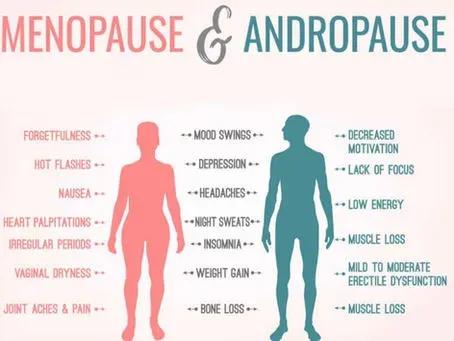
Hormone Replacement Therapy (HRT) is like a magical potion for many women, especially during those tricky menopause years. As our bodies age, the levels of hormones such as estrogen and progesterone naturally decline, leading to a flurry of symptoms that can include mood swings, hot flashes, and yes, even hair thinning. HRT aims to replenish these hormones to make life a little more bearable – and fabulous! There are different types of HRT ranging from synthetic hormones to bioidentical options, and while they can work wonders, the conversation around “Does Hrt Cause Hair Loss?” always seems to be lingering in the air.
For many women, HRT is a game-changer. It can alleviate uncomfortable physical and emotional symptoms, helping with everything from sleep disturbances to skin elasticity. However, the connection between HRT and hair loss has many women concerned. Hair, after all, is often seen as a crown that we wear proudly.
The Science Behind Hormones and Hair Health
To understand if HRT actually causes hair loss, it’s crucial to dig a bit into how hormones interact with our hair follicles. Hair growth is a complex cycle influenced by multiple hormones, including testosterone, estrogen, and progesterone. Estrogen, which is often supplemented in HRT, usually promotes hair growth and helps keep hair in the growth phase longer. Conversely, too much testosterone can lead to hair thinning (hello, androgenic alopecia).
It’s also essential to recognize that everyone’s body reacts differently. For some, HRT can lead to noticeable improvements in hair texture and volume, while for others, it might stir the pot a little too much and lead to shedding. So, you see, it’s like a unique hair journey tailored to each beautiful individual!
Common Hair Concerns Associated with HRT
While the primary goal of HRT is to make life easier and more enjoyable, some women do notice changes in their hair. Below are some common hair-related concerns linked to HRT, each with its own story to tell.
1. Hair Thinning
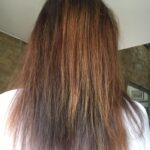
Oh, the dreaded hair thinning! It’s like a surprise guest that nobody wants at the party. Some women report that HRT can lead to hair thinning, especially during the initial months of treatment. This is often because the body is adjusting to the new hormone levels. It might sound alarming, but many find that their hair starts stabilizing after a while.
2. Hair Texture Changes
Hair texture changes can be like those unexpected twists in a rom-com! Some women find their hair becomes silkier and fuller with HRT, while others might experience dryness or coarseness. Remember, hormones are like the onscreen directors of our hair’s storyline, and they can change the plot just as quickly as we get tangled in our hairbrushes.
3. Increased Shedding
Increased shedding is another common concern. Imagine combing your hair and noticing a little more falling out than usual; yikes! While this can happen, it’s crucial to know that shedding can be influenced by various factors beyond just HRT, such as stress, nutrition, and even seasonal changes. Keeping a close eye on your health and hair care routine can help boost your confidence!
Managing Hair Health During HRT
Just like balancing a fabulous outfit, managing hair health during HRT requires a bit of finesse. Here are some tips to keep your locks looking lush while navigating the world of hormones.
1. Consult Your Healthcare Provider
Your doctor is like your personal stylist for health! They can guide you through the options available and help you find the best fit for your specific needs. If hair loss becomes a concern, discussing alternatives or adjustments to your HRT regimen is essential.
2. Nourish from the Inside Out
Beautiful hair begins from within! Incorporating hair-friendly nutrients like biotin, omega-3 fatty acids, and proteins can work wonders. Foods like salmon, avocados, and nuts can offer that extra boost, so feast away, gorgeous!
3. Gentle Hair Care Practices
Treat your hair like the precious silk it is! Brush gently, avoid tight hairstyles, and choose the right hair products that suit your hair type. Using sulfate-free shampoos and conditioning regularly can assist in keeping your hair hydrated and happy.
4. Consider Hair Health Supplements
There are fabulous supplements specifically designed to promote hair health. Look for ones with ingredients that are known to support hair growth, like biotin, collagen, and saw palmetto. As always, check with your healthcare provider before adding new supplements to ensure they’re right for you!
Conclusion: Embrace Your Journey with HRT
So, does HRT cause hair loss? The answer isn’t black and white; it’s as colorful as a rainbow! While HRT may lead to hair changes for some, it can also bring about luscious locks for others. The journey with hormones is personal, and what works for one may not work for another. The key is to listen to your body and work closely with your healthcare provider.
Hair might be a big deal to many of us, but what’s more important is celebrating ourselves – hair and all! Remember, the essence of beauty radiates from within, no matter what’s happening on our heads. Whether you’re letting your hair down or pulling it back, be proud of the incredible woman you are! 🌸
For more information on hormone therapy and its impacts, check out this article from the National Institutes of Health and this fabulous resource on Mayo Clinic for more insight.