
Does Hair Dye Kill Lice? Well, that’s a question tickling the minds of parents and young adults alike, let’s face it. Lice are those tiny uninvited guests that love to throw a party on your scalp, and right when you think everything is nice and shiny with your new hair color, you hear a dreaded “d” word: lice. So, does hair dye really pack a punch against these little nuisances, or is it just hair drama? Let’s dive right into this fabulous world of hair—and perhaps a few creepy crawlies too.
Understanding Lice Infestations
Lice are six-legged insects that thrive on human blood, and trust me, they are not interested in your fabulous hair color. They prefer a nice, clean scalp, which is why they’re often found on kids during school times or those with close head contact. The most common type is the head lice, which tend to multiply quickly if not treated promptly.
The Science Behind Hair Dye
Let’s get into the nitty-gritty. Standard hair dyes contain various chemicals, but their main ingredients are ammonia and hydrogen peroxide, which are used to lift your natural color and deposit the dye. But what does this mean for lice? While these ingredients are great for changing up your look, they aren’t effectively lethal to lice.
Does Hair Dye Kill Lice? The Answer is Not So Black and White
So, does hair dye kill lice? While it might sound tempting to think slapping on that dye could do the trick, the reality is a bit more nuanced. Hair dye might have some effect on lice, but it does not guarantee complete elimination. Here’s why:
- Chemical Resistance: Lice have developed resistance to many chemicals used in conventional treatments, so mixing hair dye into the equation may or may not help.
- Coverage Issues: When dye is applied, it may not reach every strand or every nit (lice eggs), leaving some behind to continue their party.
Alternative Approaches to Lice Treatment
Instead of relying solely on hair dye, let’s explore some other fabulous methods that have proven effective in getting rid of those pesky lice.
Over-the-Counter Treatments
Many over-the-counter (OTC) lice treatments can effectively kill both adult lice and nits. Some popular active ingredients include:
- Permethrin: A common bug killer; it’s gentle on hair yet tough on lice.
- Pyrethrins: Derived from chrysanthemum flowers, this is another lice-fighting superstar.
Home Remedies
If you’re feeling a bit adventurous or just want to stay natural, there are home remedies you can try. Here are some of the crowd-favorites:
- Tea Tree Oil: Some studies suggest that tea tree oil can help repel lice, but it’s not a guaranteed solution.
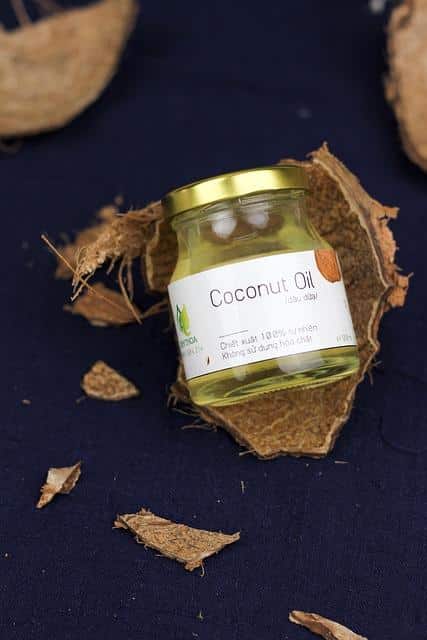
- Coconut Oil: This is not just for that tropical vibe! It can help suffocate lice, but be careful—it does not kill the eggs.
How to Properly Implement Lice Treatment
Using treatments, whether OTC or natural, correctly is crucial. Here’s a handy step-by-step guide to ensure you’re doing it right.
- Read Instructions: Begin with a thorough read of the product’s instructions or remedy guide to ensure proper use. The last thing you want is uneven results!
- Check for Nits and Adult Lice: Section hair and look for any unwelcome guests. This is like a tiny beauty inspection!
- Apply Treatment: Apply as directed, making sure to cover every strand. It’s like you’re painting the best masterpiece ever!
- Rinse Gently: Follow with the recommended rinse instructions.
- Comb Through: Use a fine-toothed nit comb to remove any remaining nits. Think of this as a spa day for your scalp—so relaxing!
Preventing Future Infestations
The last thing anyone wants is a second round of lice. Prevention should be your BFF after you tackle a lice problem. Here are some chic tips to keep those pesky critters at bay:
- Avoid Sharing Personal Items: Hairbrushes, hats, and pillows are NOs when it comes to sharing.
- Clean Your Environment: Launder bed linens, pillowcases, and even hats in hot water. It’s a mini hair spa day for your home!
- Inform Close Contacts: This might feel awkward, but letting friends or family know can help them tackle the issue before it becomes a thing.
The Role of School Policies in Lice Management
Did you know that schools have their policies in dealing with lice? It’s important to get familiar with them, especially since many treat lice infestations with a bit of a panic mode! Here are a few key points:
- Exclusion Guidelines: Some schools exclude kids until they’re lice and nit-free, while others are more lenient.
- Education: Raise awareness through school newsletters or meetings to help educate families about lice prevention and treatment.
Conclusion: Lice Management Like a Pro
So, does hair dye kill lice? The short and sassy answer is no, not really. While it might have some minimal effect, it’s not a substitute for proper lice treatments. Parents and individuals should look to proven lice treatments while keeping prevention methods close at hand. So, channel your inner diva, and be proactive about lice management because we all deserve to feel fabulous without uninvited guests in our locks!
For more detailed information about lice treatment and prevention, be sure to check out reputable sources such as The CDC or The American Academy of Dermatology. Happy hair days ahead!