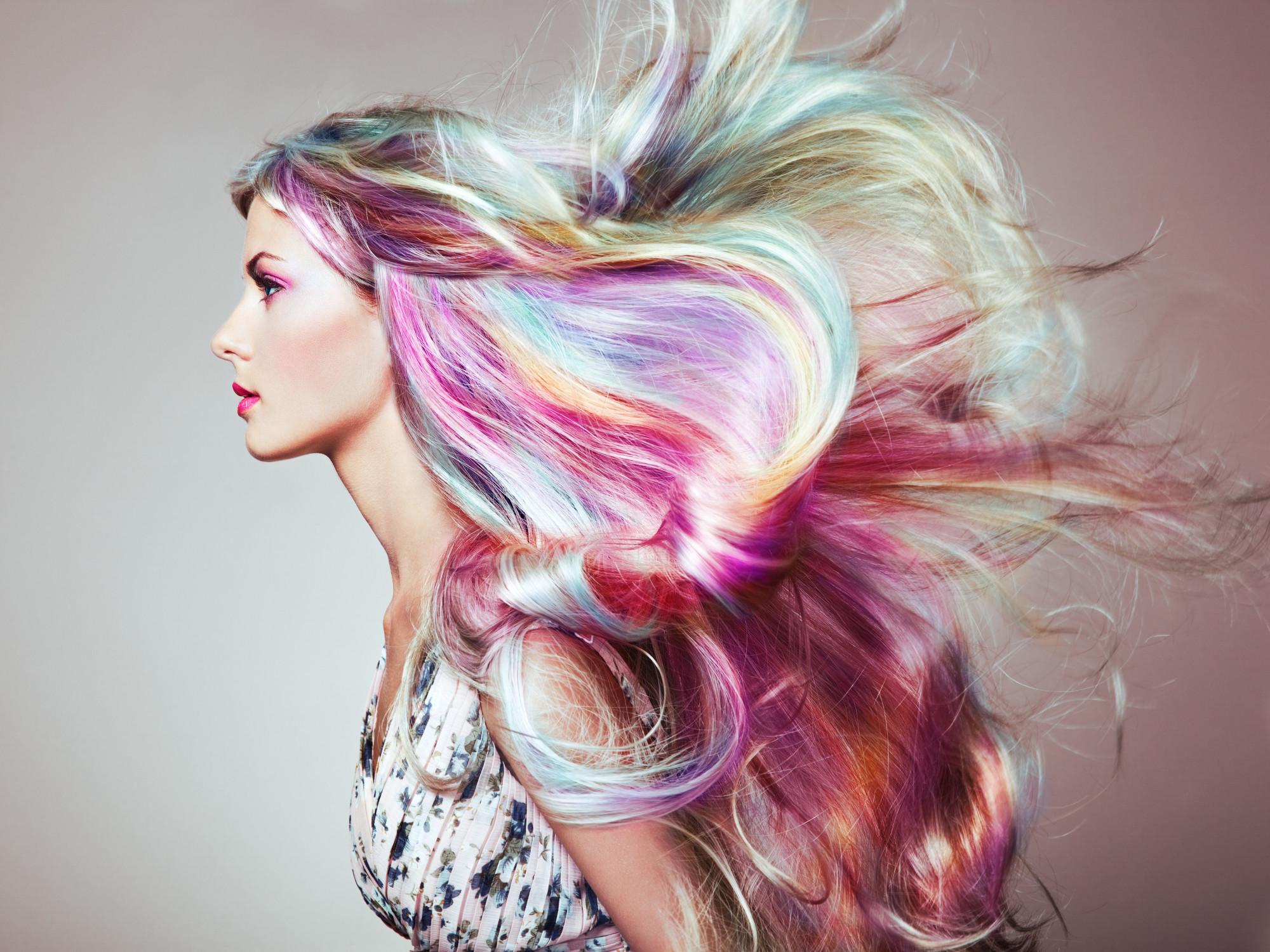
Does Coloring Hair Cause Hair Loss? Many of us love to play with our hairstyles, and changing color can be so much fun! But there’s that nagging worry: does coloring hair cause hair loss? Let’s dive into the colorful world of hair dyeing and get to the bottom of this.
Understanding Hair Structure and Growth
Hair is not just a simple thread that sits atop our heads; it’s a complex structure that consists of a root, which grows beneath the skin’s surface, and a shaft that is visible above the skin. Hair growth occurs in cycles and typically, we lose about 50 to 100 strands daily. This is perfectly normal and doesn’t usually signal hair loss.
When we color our hair, we’re interacting with this beautiful structure. Hair itself is made up of a protein called keratin, and its outer layer (the cuticle) protects the inner structure. Factors affecting hair health include genetics, diet, and environmental influences—in addition to hair treatments like coloring.
The Chemistry Behind Hair Dye
Hair dye can be temporary, semi-permanent, or permanent, each containing different chemical compositions that affect how they interact with our hair. These chemicals can include:
- Ammonia: Helps open the hair cuticle, allowing color to penetrate.
- Peroxide: Lightens hair color and activates the dye.
- PPD (p-phenylenediamine): A common dye ingredient that can cause allergic reactions in some people.
Using harsh chemicals can weaken hair, which brings us to the big question: does coloring hair cause hair loss?
The Effects of Hair Dye on Hair Health
Immediate Effects from Coloring Hair
After a coloring session, it is common to experience temporary hair loss. This can happen for several reasons:
- Chemical Damage: If hair dye is used excessively or incorrectly, it can strip natural oils and proteins from the hair, leading to brittleness and breakage. A common sign of this is increased hair fall.
- Allergic Reactions: Some people may experience an allergic reaction to hair dye ingredients, like PPD, leading to scalp issues and, consequently, hair loss.
Long-term Effects of Frequent Hair Coloring
When using hair dye frequently, certain long-term effects may contribute to hair health issues:
- Dryness and Porosity: Over-processing can make hair dry and porous, making it more susceptible to breakage. This can create the illusion of hair loss as strands become thinner and break.
- Scalp Health: Chemical treatments can affect scalp health, potentially leading to inflammation and disruption of the hair growth cycle.
Myths Surrounding Hair Coloring and Hair Loss
There are many myths and misconceptions floating around about does coloring hair cause hair loss. Let’s debunk a few!
Myth 1: Hair Color Equals Instant Hair Loss
While it’s true that harsh chemicals can lead to hair damage, a singular and well-executed coloring session won’t cause you to experience drastic hair loss. It’s about how you maintain your hair afterward!
Myth 2: Natural Hair Dyes Are Totally Safe
Natural dyes, like henna, are often seen as safe. While they can be gentler, they can still cause allergic reactions and may not always be as safe as you think if applied incorrectly.
Myth 3: Covering Grey Hair with Dye Always Damages Hair
Covering greys doesn’t have to lead to hair damage, especially if you opt for a high-quality product and do proper maintenance.
Tips for Healthy Hair Coloring
To ensure that your coloring experience is fabulous and not damaging, consider the following tips:
- Choose Quality Products: Invest in high-quality, ammonia-free dyes that contain nourishing ingredients.
- Pre-Conditioning Treatments: Use deep conditioning treatments prior to coloring to protect your strands.
- Space Out Color Treatments: Give your hair time to recover between coloring sessions.
- Patch Tests: Always perform a patch test to check for allergic reactions before coloring your entire head.
- Hydration and Nutrition: Drink plenty of water and consume a balanced diet rich in vitamins and minerals to promote hair health.
Home Remedies After Coloring for Hair Care
Sometimes, self-care at home can work wonders for colored hair. Here are a few home remedies that could help maintain hair health:
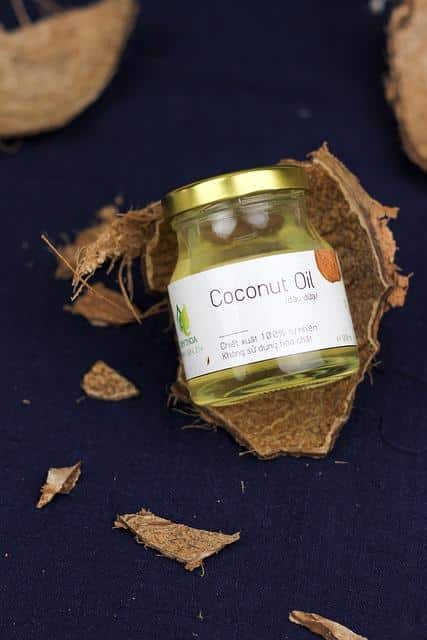
- Coconut Oil Treatment: Massaging coconut oil into the scalp and hair can help combat dryness.
- Aloe Vera Gel: Known for its soothing properties, aloe vera can be beneficial for irritated scalps and also conditions the hair.
- Avocado Hair Mask: Avocados are packed with nutrients that can moisturize and nourish your hair.
Natural Alternatives to Hair Coloring
If you’re still concerned about does coloring hair cause hair loss, consider dye alternatives that might be kinder to your locks:
Henna
Perfect for adding a rich color without the harsh chemicals, henna can also strengthen hair.
Coffee or Tea
Using brewed coffee or strong tea can contribute to a darker shade and is a natural alternative.
Vegetable Dyes
Plant-based dyes can offer beautiful colors without the damaging effects of chemical dyes.
Conclusion
Dyeing hair is a fun way to express style, but caution is essential. So, does coloring hair cause hair loss? In moderation and with proper care, the answer can be a resounding “no!” Just remember that hair health depends not only on the products you use but also on how you care for your locks.
Embracing your gorgeous mane is all about balance—so, if you love to color, do it wisely, and keep those gorgeous tresses intact! For more detailed information about hair care and dyeing techniques, check out this link and this one. Happy coloring, beauties!