Does Coeliac Disease Cause Hair Loss? This is a burning question for many who are juggling a diagnosis of coeliac disease and noticing hair thinning or loss. Coeliac disease, an autoimmune disorder triggered by the ingestion of gluten, plays a multifaceted role in our bodies, and its effects can often reach areas that might surprise us—yes, even our precious hair!
Understanding Coeliac Disease
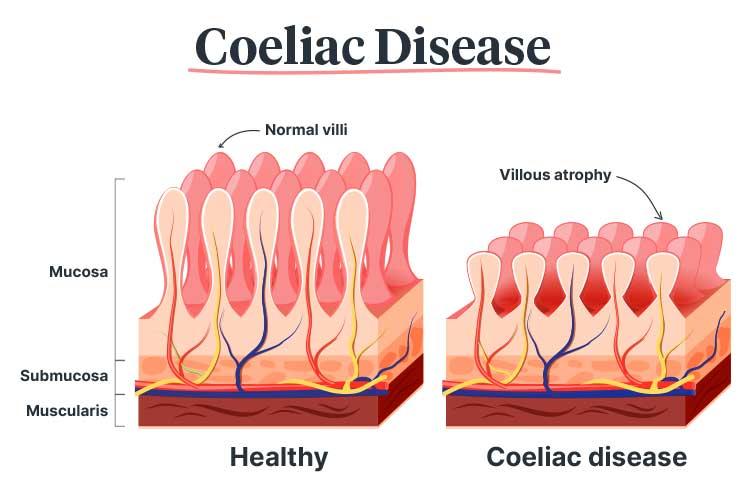
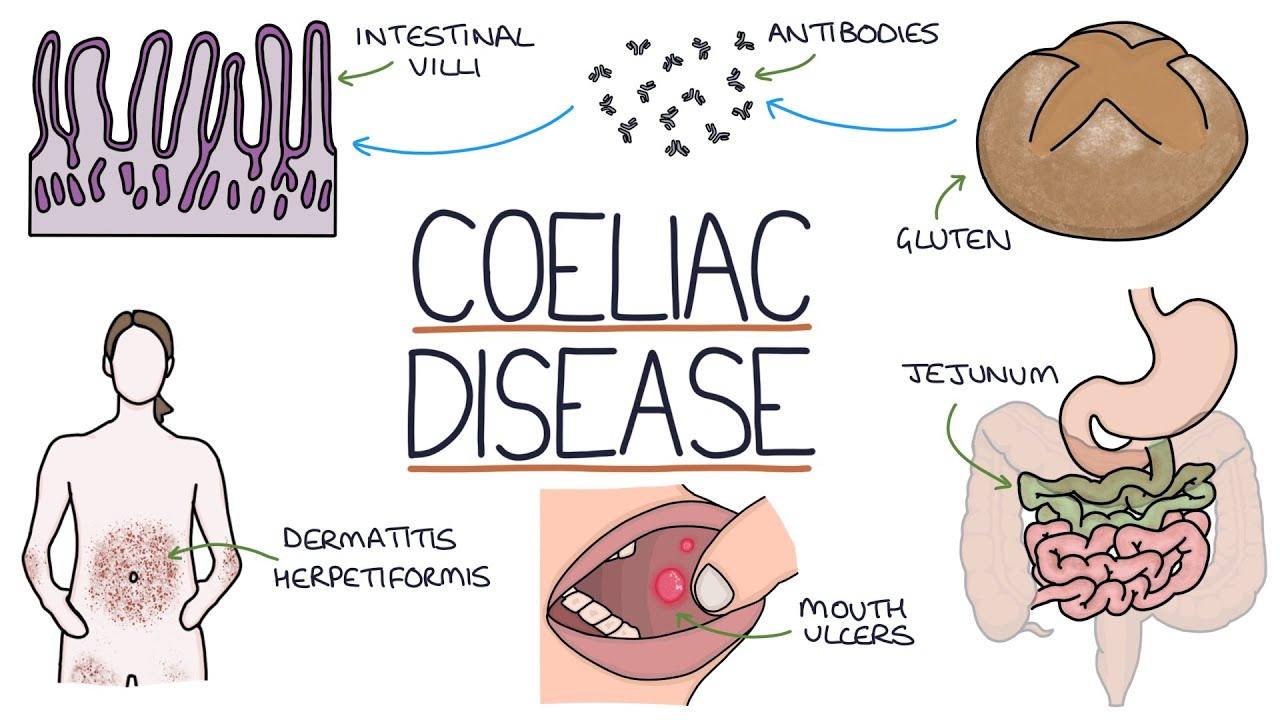
Coeliac disease is not just a simple intolerance to gluten; it’s a severe autoimmune condition affecting the small intestine. When gluten is consumed, the immune system launches an attack on the intestinal lining, impairing nutrient absorption. This malabsorption can lead to various health issues, including deficiencies in vital nutrients like iron, vitamin D, and B vitamins, which are directly linked to hair health.
The Connection Between Coeliac Disease and Hair Loss
When pondering the question, “Does Coeliac Disease Cause Hair Loss?”, it’s essential to consider how the disease affects nutrient levels in the body. Hair follicles require specific nutrients to grow and thrive, including:
- Protein: Hair is primarily made of keratin, a type of protein. Insufficient protein intake or absorption can weaken hair strands.
- Iron: Low iron levels, often seen in coeliac patients due to malabsorption, can lead to anemia, resulting in hair shedding.
- B Vitamins: Vitamins like B12 and folic acid support healthy hair growth. A deficiency can compromise follicle health.
- Zinc: Known for promoting hair health, zinc deficiency can be another sneaky issue from coeliac disease.
Knowing this helps connect the dots on whether coeliac disease causes hair loss. Let’s analyze this relationship in deeper detail.
Nutritional Deficiencies Induced by Coeliac Disease
Nutritional deficiencies mainly contribute to hair loss in individuals with coeliac disease. Here’s a comprehensive breakdown:
Iron Deficiency
One of the most common deficiencies in those with coeliac disease is iron, resulting from inadequate absorption in the intestines. Iron is crucial for transporting oxygen to hair follicles—without it, hair may weaken and fall out.
Vitamin Deficiencies
Long-term gluten exposure can lead to deficiencies in multiple vitamins. Here are a few vital ones:
- Vitamin D: Low levels are linked to various hair loss conditions. Sunlight is a natural source, but if absorption is compromised, supplementation is critical.
- Vitamin B12: Essential for cell reproduction, including hair cells. A deficiency may lead to hair thinning.
- Folic Acid: Crucial for new hair production, low levels can negatively impact hair growth.
Stress and Coeliac Disease’s Psychological Impact
Coeliac disease can also lead to increased stress and anxiety levels due to dietary restrictions and health challenges. Stress is another catalyst for hair loss, often manifesting as telogen effluvium, a temporary condition resulting in hair shedding.
How to Manage Hair Loss with Coeliac Disease
If you or someone you know is dealing with coeliac disease and wondering, “Does Coeliac Disease Cause Hair Loss?”, there are several steps to address the issue:
Gluten-Free Diet
The first and foremost essential change is adhering strictly to a gluten-free diet. This can help in gradual healing of the intestines, leading to improved nutrient absorption over time.
Nutritional Supplements
Consulting with a healthcare provider about vitamin and mineral supplementation is a good idea. For individuals experiencing deficiencies, supplements for iron, vitamin D, B vitamins, and zinc can be particularly beneficial.
Stress Management Techniques
Incorporating relaxation techniques—such as yoga, meditation, or simply indulging in self-care—can help mitigate stress, ultimately benefiting hair health.
Dietary Recommendations for Those with Coeliac Disease
A nutrient-rich, gluten-free diet can significantly impact hair health. Here’s a quick table of foods that can help nourish hair while avoiding gluten.
| Food Group | Examples |
|---|---|
| Fruits and Vegetables | Spinach, avocados, berries |
| Lean Proteins | Chicken, fish, legumes |
| Nuts and Seeds | Almonds, chia seeds, flaxseeds |
| Dairy or Alternatives | Greek yogurt, almond milk |
When to Seek Professional Help
If hair loss persists or worsens despite dietary changes, it’s vital to consult healthcare professionals. Investigating other causes of hair loss may be necessary, as various factors can contribute.
Conclusion on Coeliac Disease and Hair Loss
the answer to “Does Coeliac Disease Cause Hair Loss?” is a thoughtful, multifactorial one. The disease leads to malabsorption of vital nutrients which can impact hair health, alongside psychological stressors that accompany chronic health conditions. Focusing on a strict gluten-free diet, taking necessary supplements, and managing stress can significantly aid in addressing hair loss issues. After all, gorgeous hair starts from a healthy body! So don’t forget to pamper yourself and your luscious locks; you deserve it!
For more detailed insights, refer to reputable sources like the Coeliac UK or consult healthcare providers specializing in coeliac disease.