Does braiding your hair help in hair growth? This question has been floating around beauty circles for ages, and as an absolute hair enthusiast, I can’t help but dive right into this delightful world of braids and growth secrets. A lot of us adore braiding our hair not just for a cute style but also for the potential benefits it may have. In this enchanting journey through the long strands of hair lore, we’ll dissect the relationship between braiding and that enviable long hair.
The Science Behind Hair Growth
Becoming familiar with how hair growth works is essential before we can answer the burning question: does braiding your hair help in hair growth? Hair growth occurs in three phases: anagen (growth), catagen (transition), and telogen (resting). Understanding these phases can illuminate how braiding fits into the equation.
Anagen Phase: When Hair Dares to Shine
The anagen phase is where the magic happens! This phase can last for several years, and during this period, hair sprouts from the follicles, elongating vigorously. Keeping the scalp and hair follicles healthy can encourage hair to stay in this phase longer, leading to luscious locks.
Catagen and Telogen Phases: A Brief Intermission
After the joyful anagen phase, hair enters the catagen phase, a short transition that lasts about two weeks. Then comes the telogen phase, where the hair falls out to make space for new growth. This natural cycle highlights the importance of maintaining scalp health and avoiding damage that could prematurely push hair into the catagen and telogen phases.
How Braiding Impacts Hair Health
So, does braiding your hair help in hair growth? Let’s look at some of the ways braiding may influence hair health, which ties back to growth.
Protection from Environmental Damage
Braiding your hair can help shield it from the elements. Let’s face it: wind, sun, and humidity can wreak havoc rather quickly. By securing strands in a braid, you reduce the exposure of individual strands to breakage and environmental stressors. Less daily wear-and-tear means healthier hair overall.
Reduced Manipulation Leads to Less Breakage
Frequent styling and touching can lead to damage. But when hair is neatly tucked away in braids, the need for constant manipulation significantly drops. With fewer combs and brushes tugging at your hair, there’s reduced stress on your lovely locks, minimizing breakage.
Blood Circulation and Scalp Health
A snug braid can stimulate blood circulation to the scalp, which is fabulous news for hair growth. Encouraging good blood flow delivers vital nutrients right where they’re needed, potentially extending the anagen phase.
Different Types of Braids and Their Benefits
When considering how braiding your hair may contribute to growth, the technique matters! Here’s a quick overview of popular braid styles and their benefits.
| Braid Style | Description | Benefits |
|---|---|---|
| Classic Three-Strand Braid | The simplest braid, made of three strands interwoven. | Low tension; easy style; versatile. |
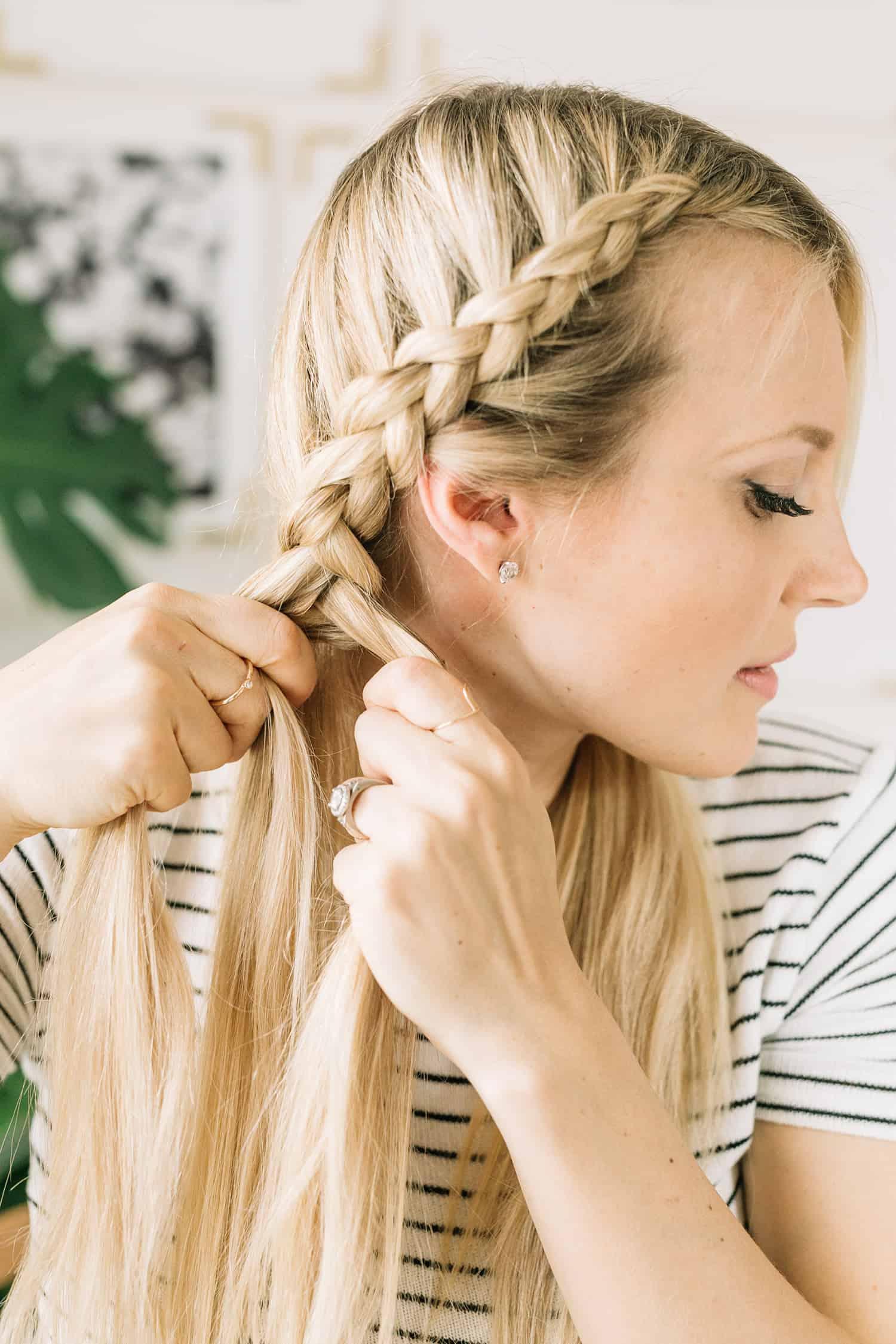
| French Braid | Hair is added to the braid as it progresses downward. | Elegant look; keeps hair secure; reduces tangles. |
| Fishtail Braid | Two sections are alternated for a unique look. | Chic appearance; requires less tension on hair. |
Hair Care Tips While Braiding
To fully harness the benefits of braiding for hair growth, it’s essential to prioritize healthy hair care while styling. Here are some tips that will help you keep your locks happy and thriving.
Don’t Braid Wet Hair
Avoid starting your braiding adventures on wet hair. Why? Wet hair is more prone to breakage, and tight braids can lead to additional stress. Make sure your hair is 80% dry before styling into braids.
Use Gentle Hair Accessories
Hair ties and accessories are darling, but they can be quite harmful if too tight or made from rough materials. Opt for fabric hair ties or scrunchies that prevent breakage and maintain your hair’s integrity throughout the day.
Keep the Tension Light
Braids should be snug but not tight! If your scalp feels achy or you have headaches, it’s a signal that the tension is too much. Loose braids can offer all the protection without the discomfort.
The Role of Nutrition in Hair Growth
While braiding can assist with protection and care, a nutritious diet is pivotal when it comes to hair growth. You can’t forget that what’s on the inside matters too!
Nutrients for Fabulous Hair
Certain vitamins and minerals are known to support hair growth. Here are some must-haves for your luscious locks:
- Biotin: A rockstar for hair health, it strengthens the hair structure.
- Omega-3 Fatty Acids: These nourishments keep the scalp hydrated.
- Zinc: Playing a vital role in hair tissue growth and repair.
Incorporating these nutrients into your diet can work wonders when paired with your favorite braiding techniques.
Common Myths About Braiding and Hair Growth
Now that we understand some of the benefits, it’s time to bust a few myths!
Braids Make Hair Grow Faster
While braiding your hair helps reduce breakage and offers protective styling, it doesn’t literally speed up hair growth. Hair grows at its own pace (about half an inch per month on average).
Tight Braids Promote Hair Growth
Ah, the age-old misconception that tight styles result in faster growth. Think again! Tight braids can lead to traction alopecia (a fancy term for hair loss due to tension). Always aim for comfort over force.
Conclusion: Embrace the Braid for Healthier Hair
So, does braiding your hair help in hair growth? While there’s no magical guarantee that your hair will shoot up in length just because you’ve embraced the braid, one thing’s for sure: styling your lovely locks can significantly benefit their overall health. Think protection from breakage, reduced manipulation, and improved scalp circulation! Remember, the ultimate secret to fabulous hair encompasses both external practices like braiding and nurturing your body with a proper diet and self-care.
So grab those hair ties, make some charms out of braids, and embrace the gorgeous journey of growing fabulous hair! You really can have it all: style and health—just like you, darling!