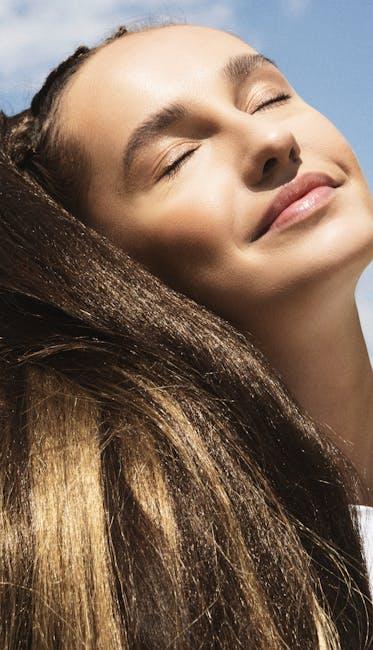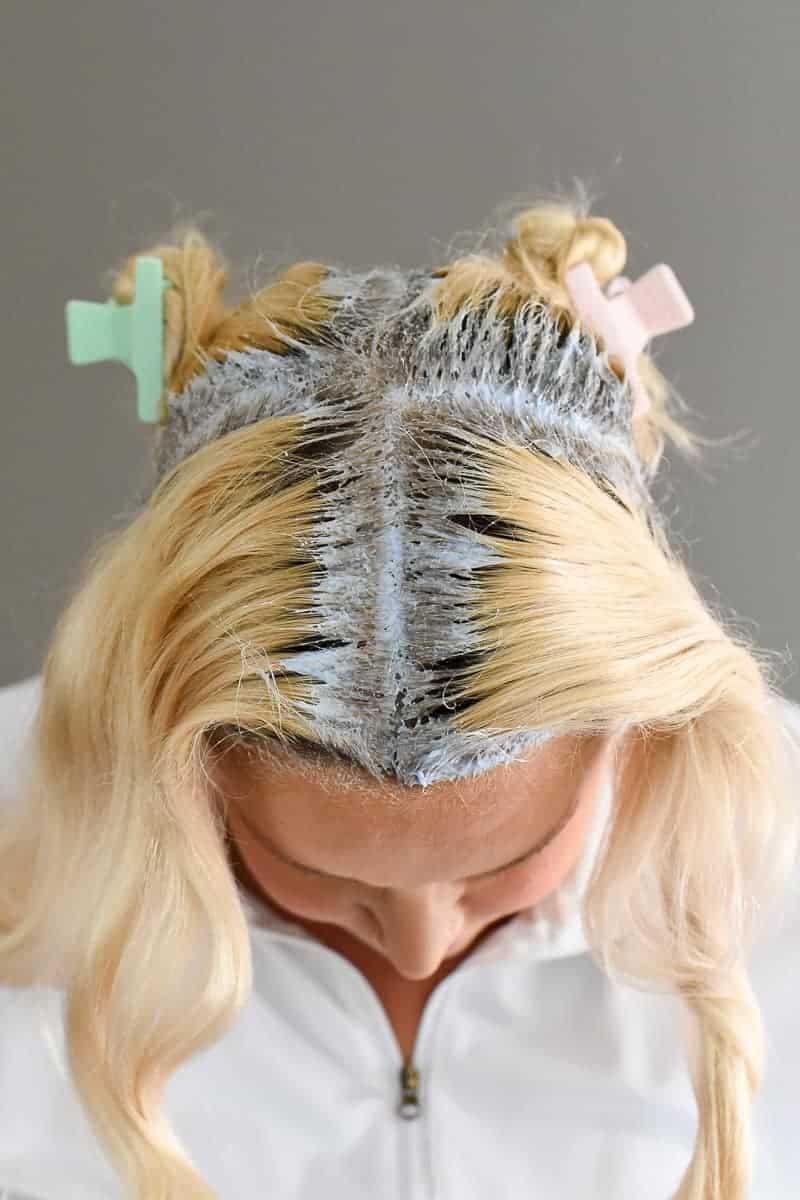
Bleaching hair is a trendy way to switch up your style, but it does come with its set of questions. One that has everyone buzzing is, does bleaching hair cause hair loss? This topic deserves some serious attention because, let’s be honest, no one wants to go through a fabulous makeover only to discover they’ve turned their luscious locks into a brittle mess. Let’s dive deep into the world of hair bleaching, its effects, and how to keep your hair looking fabulous while experimenting with different colors!
Understanding Hair Bleaching
When it comes to bleaching hair, the process primarily involves using chemicals that strip your hair of its natural color. The common agent in hair bleach is hydrogen peroxide, which works by opening the hair cuticle and breaking down the melanin pigments. This means that while the end result can be stunning, the journey to getting there can sometimes be a little rough.
The Chemistry of Hair Bleaching
Something every hair enthusiast should understand is that hair is made up of proteins, primarily keratin. When bleach is applied, it alters the structure of these proteins. A little science sprinkle:
- Hydrogen Peroxide: This is the main star in your bleach mix and its primary job is to lift the color by oxidizing the hair.
- Alkaline Agents: These are typically found in hair bleaching products and help to open up the hair cuticle, allowing the bleach to penetrate the hair shaft.
Now, while this process can help achieve lighter shades or vibrant pastels, it’s essential to remember that chemical processes can stress your hair and make it more prone to damage.
Impact of Hair Bleaching on Hair Health
So, does bleaching hair cause hair loss? It’s a nuanced topic. The answer isn’t a simple yes or no; it’s about how you treat your locks during and after the bleaching process.
Damage to the Hair Shaft
Bleaching can weaken your hair strands, making them more susceptible to:
- Dryness
- Brittleness
- Split Ends
When your hair becomes brittle, it can lead to breakage, which may feel like hair loss. Although you might notice strands breaking off, this isn’t the same as losing hair from the roots. Healthy hair care practices can significantly mitigate some of the damage.
Chemical Overuse and Its Consequences
Using bleach excessively can lead to more severe consequences. Constantly stripping your hair’s moisture means your hair becomes fragile. Long-term over-processing could potentially lead to irreversible hair damage, making proper monitoring essential.
Signs of Hair Damage Post-Bleaching
After a bleach session, it’s critical to closely monitor how your hair reacts. Here are some signs that might indicate you’re overdoing it:
- Increased Hair Thinning or Breakage: Noticeable loss of strands, especially during brushing or washing.
- Extremely Dry and Brittle Hair: If your hair starts to feel like straw, that’s your cue to step back.
- Scalp Irritation: If your scalp is unhappy, your hair will definitely feel it too!
Caring for your newly bleached hair, with hydrating conditioners and regular trims, can help reshape its health in the long run.
Best Practices for Bleaching Hair Safely
If you’re keen on lightening those locks, don’t fret! There are strategies to make the process smoother and reduce the risk of damage. Let’s focus on those best practices:
Preparation is Key
- Consult a Professional: If you’re unsure, visiting a salon can save you a lot of heartache (and hair!). They understand the chemistry behind bleaching and can help prevent damage.
- Don’t Bleach on Damaged Hair: If your hair is already stressed from prior chemical treatments, give it some love before reaching for the bleach.
Post-Bleach Care
- Deep Conditioning Treatments: These help restore moisture and infuse nutrients to keep your hair soft and bouncy.
- Regular Trims: Taking care of split ends ensures that the hair continues to grow healthily without image-shattering dryness.
- Limit Heat Styling: Your hair will already be more fragile post-bleach, so save those curling irons for the special occasions.
- Hydration and Nutrition: Eating a balanced diet rich in vitamins can fortify your hair’s depth from the inside out, helping combat any potential loss.
Professional vs. At-Home Hair Bleaching
When pondering whether bleaching hair causes hair loss, one factor to consider is how the process is applied. Many choose the thrills of DIY kits from the comfort of their bathroom, but this brings along a dose of risks:
Choosing the Right Bleaching Method
Professional Bleaching
- Expert Techniques: Professionals understand the science behind hair and have experience with various hair textures. They can tailor treatments to minimize damage.
- Quality Products: Often salons use higher-quality products that can be less damaging than typical drugstore brands.
At-Home Bleaching
- Cost-Effective: Welcome to the kingdom of affordability! Kits might seem cheaper, but quality can vary significantly.
- DIY Dangers: Without guidance, enthusiasts run the risk of improperly applying bleach, leading to uneven results and heightened damage.
Conclusion on Bleaching and Hair Loss
does bleaching hair cause hair loss? It’s a little complicated. While bleaching can lead to damaging effects that may mimic hair loss, the key lies in how you manage your hair before, during, and after the process. By embracing safe bleaching practices, investing in quality products, and providing your hair with the moisture it craves, you can have the blonde of your dreams without bidding farewell to your strands.
Remember, beautiful hair is healthy hair, so treat those tresses with the love and care they deserve. Happy bleaching, gorgeous! For more detailed insights on hair care, check out blank”>Healthline and blank”>WebMD.