Do You Have To Be Licensed To Do Makeup? This is a burning question that many budding makeup artists often find themselves pondering. From the thrill of blending eyeshadow to the meticulous art of contouring, there’s no denying that makeup can be a magical world. However, when it comes to making your mark professionally, the rules get a bit murky. Let’s dive deep into this glam-filled topic and find out if you really need a license to wield those brushes.
Understanding Makeup Licensing Requirements
When discussing the topic “Do You Have To Be Licensed To Do Makeup?”, it’s essential to unravel the different licensing requirements depending on where you live. Different states and countries have varying regulations surrounding the beauty industry.
Makeup Artist Licensing Overview
Many individuals assume that becoming a makeup artist is as simple as perfecting the winged eyeliner and mastering the art of the sultry smoky eye. However, the legalities can differ substantially based on location and the type of makeup services provided.
States with Strict Licensing Requirements
In some states, specifically within the United States, a makeup artist must hold a cosmetology license. This need arises since applying makeup often falls under the broader umbrella of beauty services which may also include hair styling and skin care.
- California: Here, to legally apply makeup, one must possess a cosmetology or esthetician license. This means you’ll need to complete a series of formal training hours and pass an exam. It’s no small feat, girl!
- New York: Similar to California, the regulations demand a cosmetology license for professional makeup application.
- Texas: You guessed it! Texas requires makeup artists to also hold a license, which adds an extra layer of legitimacy to your glam game.
| State | Licensing Requirement |
|————|—————————————|
| California | Cosmetology or Esthetician License |
| New York | Cosmetology License |
| Texas | Cosmetology License |
States with Less Stringent Regulations
On the flip side, certain states may not necessitate a license for makeup application, especially for freelance artists or those working in retail. These states may allow makeup artists to offer services without formal licensing as long as you aren’t performing any skincare procedures or specializing in hair.
- Florida: In Florida, a license is not explicitly required for makeup artists, although it is recommended if you want to expand into esthetic treatments.
- Illinois: In Illinois, makeup artistry falls under a looser application; however, having a license can still help you build credibility.
- Washington: Washington allows makeup artistry without licensing but adhere to local laws and guidelines.
Navigating State Regulations
If the question “Do You Have To Be Licensed To Do Makeup?” has become a journey, it’s essential to know how to navigate these waters effectively. First, research your state’s specific regulations by visiting state cosmetology boards or local government websites.
Another excellent approach is to network with local makeup artists in your area. Join workshops, attend beauty school, or connect with beauty organizations. These communities can provide insights balanced with a sprinkle of humor and a whole lot of glam.
Pros and Cons of Getting Licensed
Now that we’ve laid the groundwork of licensing behind the fabulous facade of makeup artistry, let’s weigh the pros and cons.
Pros of Being Licensed
- Legitimacy and Credibility: A license gives your work credibility and reassures clients. You’re not just a gal playing with makeup, honey; you’re a certified makeup magician!
- Advanced Techniques: Licensure often requires education that dives into skincare and advanced techniques, making you a well-rounded artist.
- Insurance Coverage: Many insurance companies require a license to provide coverage for your makeup business. This protection can save you a whole heap of trouble.
Cons of Being Licensed
- Time and Commitment: Getting licensed is no walk in the park. It involves time, financial investment, and commitment that could deter some aspiring artists.
- Job Market Saturation: Licensing can create a more competitive environment where you might find a lot of licensed artists vying for the same gigs.
- Licensing Fees: Many states require additional fees for maintaining your cosmetology license, which can add up over time.
Creative Alternatives to Traditional Licensing
For some, the commitment to getting a license might be overwhelming or not entirely necessary depending on career goals. Here are a few options:
- Makeup Courses: Many reputable beauty schools offer specialized makeup courses without the licensing requirement.
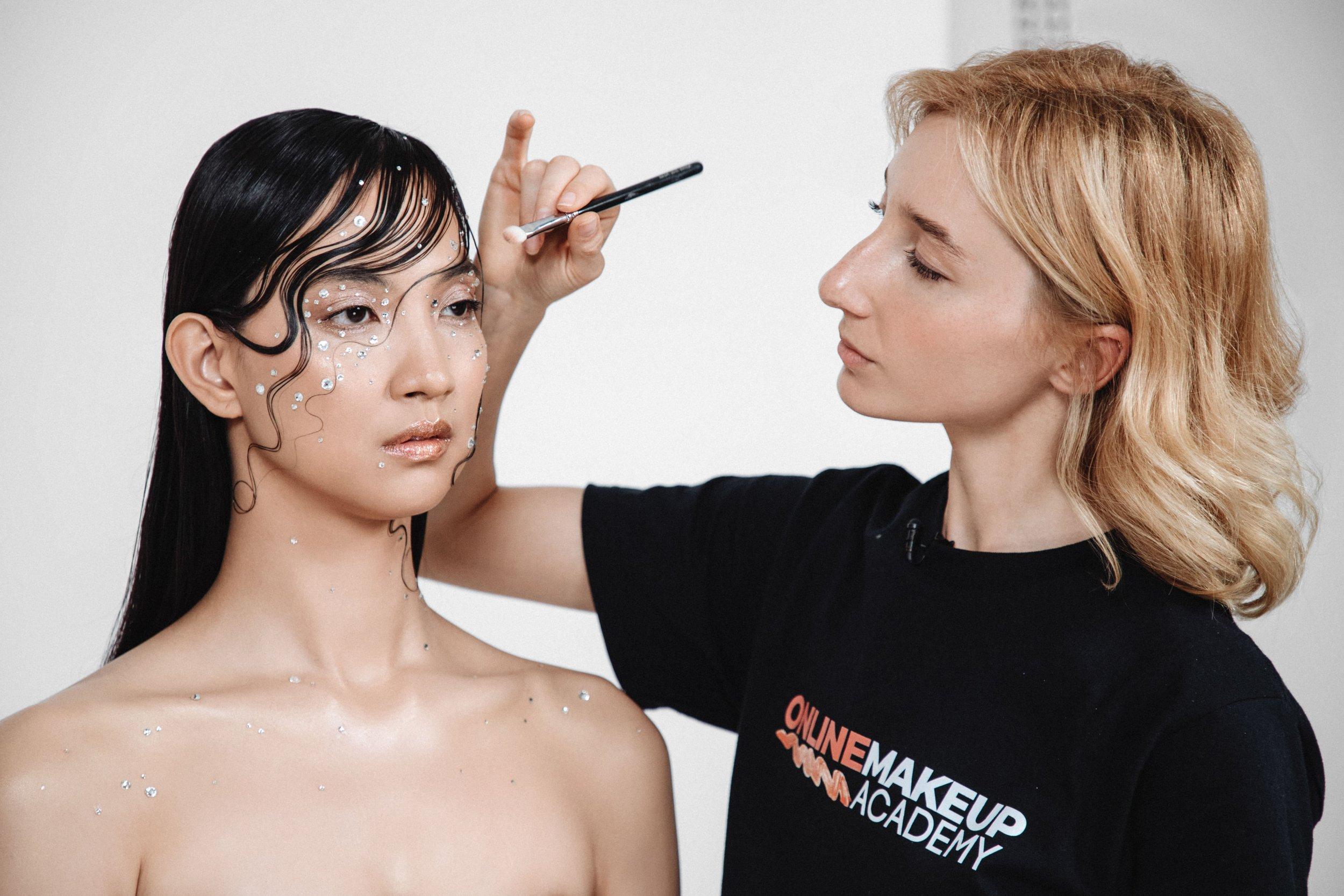
- Online Workshops: The makeup community is filled with virtual workshops and lessons from renowned professionals ready to share their tips.
- Freelance Business: If you’re looking to dabble without going through the rigmarole, consider starting as a freelance makeup artist. This way, you can build experience, a portfolio, and a brand—all at your own pace.
Building Your Makeup Career Without a License
So, what if you decide to go sans license? Here’s how you can craft a dazzling career without the legalities standing in your way.
Mastering the Craft
Mastery of techniques can come through self-study and practice. Youtube tutorials are like a treasure trove for learning innovative approaches to makeup application. Find that inner guru and go for it!
Social Media Presence
In modern times, a strong social media presence can be your golden ticket. Share your beautiful work on platforms like Instagram, TikTok, and Pinterest. Before you know it, customers will be sliding into your DMs for glam sessions!
Networking and Collaborations
Get involved in local events, collaborate with photographers, and network with other creatives. Attend beauty conventions and always have your business cards handy! You never know when your next big gig might materialize.
Conclusion: Is Licensing Necessary?
As you can see, the question “Do You Have To Be Licensed To Do Makeup?” is more layered than a fabulous cake! While some states require a license for professional makeup application, others do not. It all comes down to where you live and what services you intend to provide.
Whether or not to pursue a license is a personal choice, but staying informed about local regulations ensures that you pave your way in this glam world legally and ethically. Remember, being fabulous isn’t just about looking good; it’s about owning your craft and respecting the artistry and effort that goes into becoming a professional makeup artist.
For more detailed information about state regulations, check out Cosmetology Today or for broader beauty insights, visit Sephora’s Official Site. Now go forth and conquer the world of beauty, one flawless face at a time!