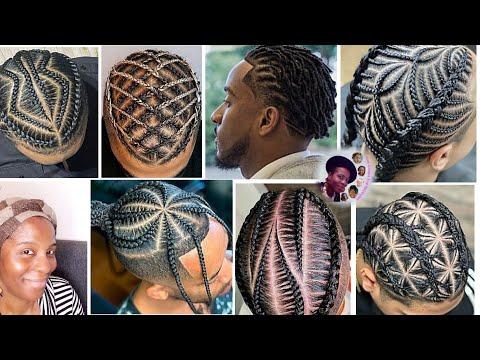
Do Braids Slow Hair Growth? This is a burning question that many of us, especially those who love flaunting fabulous braided hairstyles, often find ourselves asking. With all the myths and beauty tips floating around, it can be confusing to determine the truth behind this popular hair styling option. In this article, we will dive into the world of braids, how they affect hair growth, and why they may or may not slow down your luscious locks. So, grab a comfy chair, maybe a snack (hair care is serious business, after all), and let’s get into it!
Understanding Hair Growth Basics
When exploring the topic of whether braids slow hair growth, it’s essential to understand the fundamentals of hair growth first. Hair grows from follicles located beneath the skin. Each strand of hair goes through a cycle that includes three main phases: anagen (growth), catagen (transition), and telogen (resting).
- Anagen Phase: This is the magical growth phase where your hair can grow up to 6 inches a year!
- Catagen Phase: Lasting just a few weeks, this phase serves as a transition where hair stops growing but isn’t lost quite yet.
- Telogen Phase: Here, the hair rests before it falls out, making way for new growth to start the cycle all over again.
But what about do braids slow hair growth? That depends on how those braids are being styled and maintained.
Effects of Braiding on Hair Growth
Healthy hair growth can be influenced by various factors, including diet, genetics, and environmental elements. However, the way we choose to style our hair can also have implications. Here’s what you need to know about how braids might affect your hair:
Scalp Health and Blood Circulation
A healthy scalp is essential for hair growth. When you braid your hair, you can actually stimulate blood circulation on your scalp, which may help to nourish hair follicles. Properly done braids can promote a healthy scalp, thus potentially aiding in better hair growth. However, if your braids are too tight, they can cause tension on hair follicles, leading to stunted growth or even follicle damage, which leads us to our next section!
Tension and Traction Alopecia
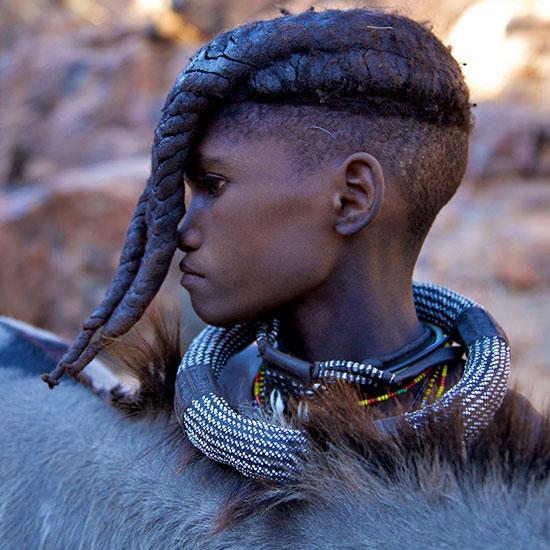
One of the biggest concerns when sporting braids is the possibility of traction alopecia, a type of hair loss that occurs from excessive pulling at the hair roots. Tight braids can cause significant tension, especially around the hairline, leading to breakage or loss.
- Choose Wisely: Opt for looser braids or different styles that are easier on your hair.
- Take Breaks: Give your hair a breather between braiding sessions to minimize damage.
Hair Breakage and Length Retention
So, do braids slow hair growth? Not necessarily, but they can contribute to hair breakage if not cared for properly. Hair that is damaged through excessive styles or pressure won’t reach its full growth potential. So, it’s crucial to balance the time spent in braids with sufficient time for hair recovery.
Nourishing Hair During Braiding
Taking care of your hair while it’s braided is crucial for healthy growth. Here are some super-fun tips to keep those locks luscious:
Keep Your Hair Moisturized
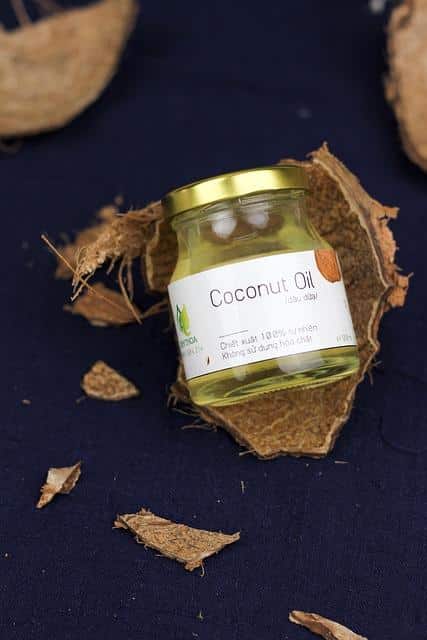
Braiding can sometimes lead to dryness. Ensuring that your hair is well-moisturized using organic coconut oil or leave-in conditioner can help maintain its health. Additionally:
- Twist and Seal: Applying a light oil over your braids can help seal in moisture.
- Hydration Is Key: Drink water! Hydrated hair means happier hair.
Regular Maintenance
Regularly check on your braids and scalp health. Take time to:
- Massage the Scalp: This enhances blood circulation and brings life back to your roots!
- Wash Gently: Use a diluted shampoo to clean your scalp, focusing on keeping the roots fresh without disrupting the braids too much.
Alternatives to Braids That Promote Growth
While braids can be a stylish option, they aren’t the only game in town. If you’re concerned about possible hair damage, there are other protective styles to explore:
Loose Updos
Consider a loose bun or a twist-out as a more relaxed alternative to braids. These styles can protect your hair while ensuring minimal tension.
Wigs and Weaves
For those long hair dreams without the commitment, wigs and weaves can offer protection while switched up in styles without risking hair health.
Conclusion
So, do braids slow hair growth? While braids themselves don’t inherently hinder hair growth, the method of braiding and how you maintain your strands plays a crucial role. Tension from overly tight braids can damage hair follicles, leading to breakage and slowing down the growth process. The key is balance: enjoy those fabulous braids, but remember to nourish your scalp, take breaks, and switch it up occasionally to keep your locks healthy and happy!
Ultimately, the best hair care routine is one that incorporates a variety of styles, maintains moisture, and respects your hair’s unique needs. Remember, fabulous hair is healthy hair, and every time you rock your braided look, do so with confidence and care. Here’s to long, healthy, and beautiful hair for everyone!
For more hair care tips, check out Verywell Health and Healthline where you can find fabulous insights on all your hair dilemmas!