Do all Black people have curly hair? It’s a fascinating question that often stirs up interesting conversations about hair texture, diversity, and cultural representation. While it might seem that curly hair is an exclusive trait of the Black community, the truth is a little more intricate and colorful. The diversity of hair texture among Black individuals is a beautiful reflection of heritage, genetics, and individual choices. Let’s dive into this hair-raising topic to uncover the wonderful truths about Black hair!
Understanding Hair Types in the Black Community
Hair texture can be classified into various types, primarily ranging from straight to coiled curls. For the Black community, hair often falls into the categories of Type 3 (curly hair) and Type 4 (coily/kinky hair).
Curly Hair Characteristics
- Type 3 curls are known for their bounce and defined shape. They can range from loose curls to tighter ones, showcasing a vibrancy that perfectly captures joy and personality.
- Type 3A: Loose, large curls with a soft texture.
- Type 3B: Medium-sized curls that are more voluminous and can handle a little more weight.
- Type 3C: Tighter curls that are dense and beautifully full.
Coily and Kinky Structures
- Type 4 hair textures are unique and characterized by their tight coils or kinks.
- Type 4A: Soft, springy coils that can have a defined curl pattern.
- Type 4B: Z-shaped coils that are less defined but provide gorgeous volume.
- Type 4C: The tightest curls, often very dense and can vary significantly in texture.
When considering “Do all Black people have curly hair?”, it’s essential to acknowledge that while many do, preferences, genetics, and personal styling choices all contribute to the range of textures and styles present within the community.
Genetics and Diversity of Hair in Black Individuals
Hair texture is largely influenced by genetics, inherited through generations. It’s paramount to understand that the African diaspora is incredibly diverse. People’s hair textures can vary significantly based on geographic origins, genetic backgrounds, and individual traits.
African Heritage
Black individuals trace their roots to various regions across Africa, where the climate, altitude, and other environmental factors influenced hair types. For example:
- West African ancestry: This region often exhibits tightly coiled or kinked hair, a feature adapted to the hot climate.
- North African ancestry: Populations here might have different hair textures influenced by other Mediterranean cultures.
This genetic diversity means that while many Black individuals possess curly or coily hair, there are plenty who have straighter or wavy textures too. It’s not about fitting into a box but celebrating the variances.
Intermixing Cultures
The beauty of hair diversity also comes from intermingling cultures. Many Black individuals have mixed heritage, which can lead to a delightful range of textures:
- Mixed heritage can result in straight, wavy, or even loose curly hair.
- The blending of cultures enriches the experience of identity and community, showcasing different styles and methods of care.
Hair Care Practices Among Black Individuals
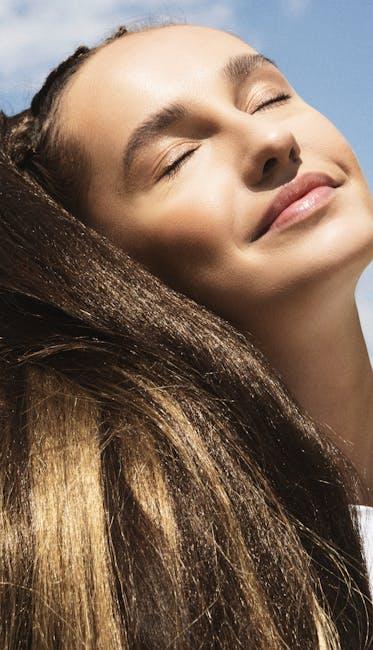
Caring for curly and coily hair is an artful experience, often guided by tradition, knowledge, and personal preference. Much like the core of identity, hair care practices hold importance in community and culture.
Daily Hair Care Routines
Maintaining healthy curly hair requires understanding the specific needs of the hair type. A typical routine might include:
- Cleansing: Utilizing sulfate-free cleansers that gently remove product buildup without stripping moisture.
- Conditioning: Deep conditioning treatments specifically cater to curly textures, ensuring hydration and elasticity.
- Styling: Techniques such as twisting or braiding for defined curls or wash-and-go styles for showcasing natural texture are quite popular.
Products Tailored for Curly Hair
A plethora of products has emerged in the market to cater specifically to curly and coily hair. Ingredients that work wonderfully might include:
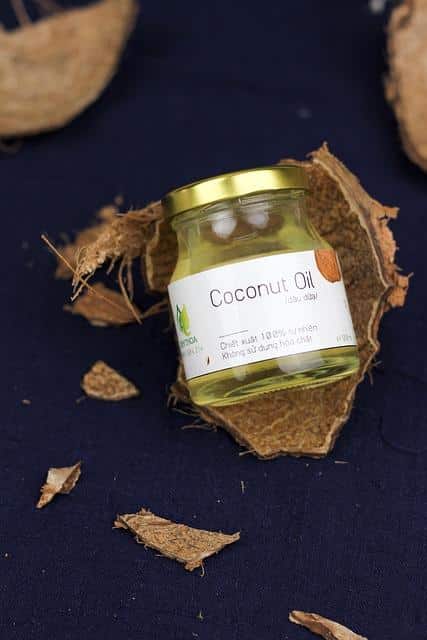
- Natural oils: Coconut, olive, or jojoba oil for moisture retention.
- Butters: Shea butter or mango butter to help lock in hydration and provide a soft hold.
Using these products is fundamental for not just embracing the natural curls but also for working with them to achieve stunning hairstyles that flaunt texture.
Cultural Significance of Black Hair
Hair goes beyond just being a style option. It embodies cultural expressions, identity, and individual beauty. Understanding “Do all Black people have curly hair?” invites a deeper conversation around the cultural significance of hair within the Black community.
Historical Context
Historically, hair has played a significant role in cultural identity. From the stunning intricate styles of braids in African tribes to the modern expression of identity through natural hairstyles, hair serves as a powerful symbol.
- The natural hair movement celebrates embracing one’s roots and rejecting Euro-centric beauty standards.
- Events like National Black Hair Month highlight the cultural importance and diversity of Black hair, educating others and empowering people of color.
Modern Representation
In today’s society, representation in media plays a huge role in how hair is perceived. The emergence of Black hair in mass media, from celebrities rocking their curls to influencers celebrating their unique styles, is monumental:
- Films and Music: More creators are embracing natural hair in their work, showcasing Black beauty in all its forms.
- Social Media: Platforms like Instagram and TikTok are filled with inspiration and community support around hair types, fostering pride in diverse textures.
Myths and Misconceptions About Black Hair
There are several myths surrounding Black hair that often lead to confusion. Let’s debunk some of these common misconceptions around curly hair.
All Black People Have Curly Hair
While many Black individuals do have curly or coily hair, it’s a misconception to claim that all do. Genetic diversity ensures a variety of textures, including straight and wavy hair.
Curly Hair is Difficult to Manage
While curly hair may sometimes require more specialized attention, many people with curls have embraced the process of caring for it as part of self-love. With the right products and techniques, managing curly hair can become a joyful and fulfilling experience!
Natural Hair isn’t Professional
This is one stereotype that has been challenged fiercely. The narrative surrounding professional hairstyles is evolving, with more employees and workplaces appreciating the beauty of natural textures and styles.
Conclusion and Embracing Diversity
So, do all Black people have curly hair? Not at all – the reality is much richer! While many in the Black community proudly showcase beautiful curls and coils, there exists a broad spectrum of hair types that reflect personal stories and varied ancestries.
By celebrating the diversity of hair in the Black community, we not only embrace individual beauty but also honor the complex influences of cultural heritage and identity. Whether straight, wavy, curly, or coily, the key is to love your hair – because every texture tells its own story.
As the world continues to appreciate and love the diversity of Black hair, may we all learn to celebrate the beauty of our unique stories, styles, and the curls that define us!
For more information about hair types and care, check out these resources: blank”>Naturally Curly and blank”>Black Hair Information.