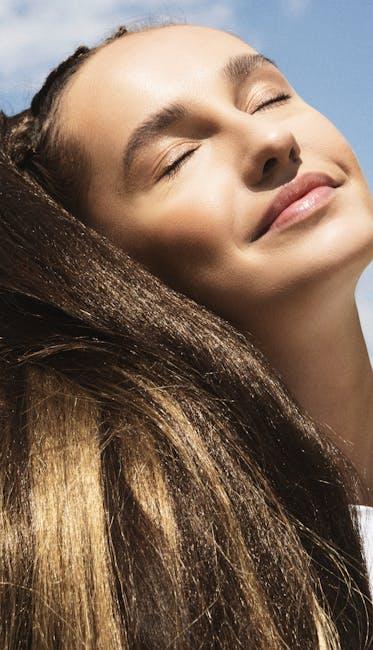

Can You Dye Oily Hair? Absolutely! But there are some essential things you need to know before you dive into the dyeing process. Oily hair can be a total diva, often leading to a lackluster color payoff and a slightly chaotic dye experience. Don’t worry, though! With the right techniques and tips, you can achieve a fabulous hair transformation, even with that oiliness waving back at you.
Understanding Oily Hair
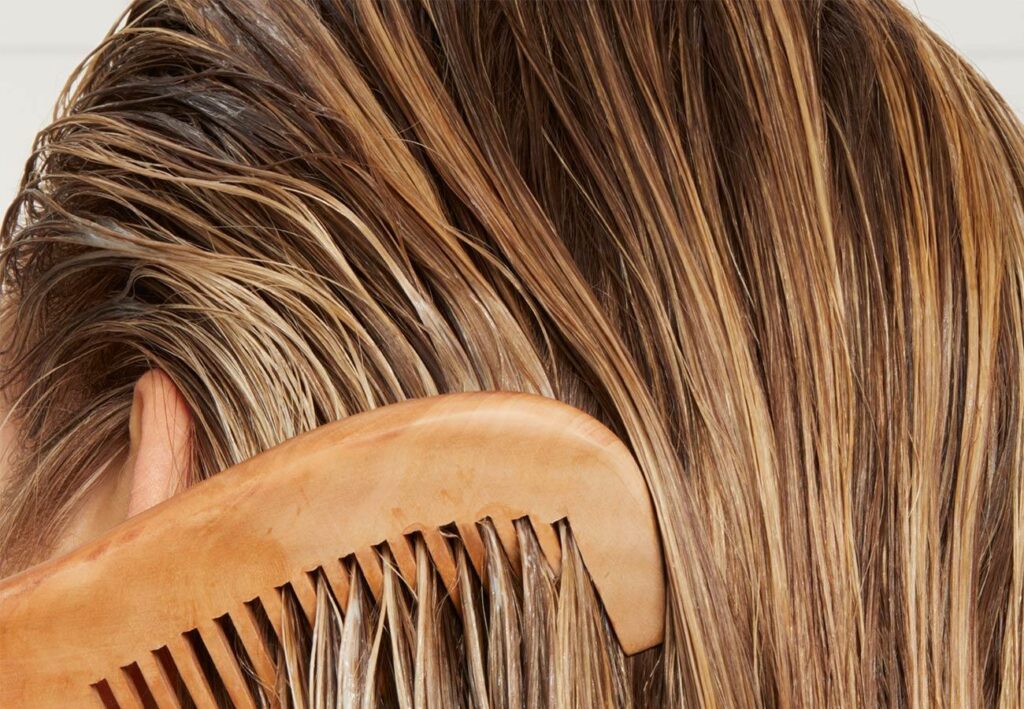
Oily hair is caused by excess sebum production from the scalp. This can lead to hair feeling greasy, limp, and prone to limpness, making styling a bit of a hassle. Can you dye oily hair? Of course! However, it’s crucial to understand how oil affects the dyeing process. The oil can create a barrier, preventing the color from adhering properly to the hair shaft. So, before you grab that box of hair color, here’s what you should consider:
The Science of Sebum and Hair Dyeing
Sebum is the natural oil produced by the sebaceous glands in your scalp. While a little bit of oil is beneficial for keeping your hair healthy and hydrated, too much can interfere with the dyeing process by:
- Creating a barrier: The oil can make it difficult for the dye to penetrate the hair cuticle.
- Diluting color intensity: Oily hair may cause the dye to wash out more quickly, leading to a lack of vibrancy and longevity.
- Poor color absorption: Results can vary, and you might end up with patches or uneven color.
====================================
Prepping Oily Hair for Dyeing
Getting your oily hair ready for dyeing is super crucial. Here are the best practices to follow:
Wash Before Dyeing
Contrary to popular belief, you don’t want to dye your hair while it’s freshly washed. Washing your hair the day before dyeing is ideal. This allows your scalp to produce the perfect amount of sebum to protect your scalp without making your hair too oily.
- Use a clarifying shampoo to remove excess product buildup and oil.
- Rinse thoroughly, leaving your hair just slightly oily.
Avoid Conditioning
When preparing to dye your hair, skip the conditioner on the day before dyeing. Conditioners can add an additional layer of oil that could hinder dye absorption. Instead, focus on getting your hair clean, without extra products that could complicate the dyeing journey.
Remember: Oily hair is a protective barrier. It can help minimize irritation during dye application but too much may lead to subpar results.
====================================
Choosing the Right Hair Dye
When it comes to dyeing oily hair, the right product can make a significant difference. Here are some tips for selecting the best dye:
Opt for Semi-Permanent or Demi-Permanent Dyes
For oily hair, semi-permanent or demi-permanent dyes are your best friends. These types of dyes do not penetrate the hair as deeply as permanent dyes, making them easier to work with on oily strands. They’re also less harsh, which means less damage if something goes a little awry.
Consider Professional Help
If you’re uncertain about tackling the dyeing process yourself, consider visiting a professional stylist. They have the experience and expertise to ensure that your oily hair gets the love it needs while achieving the color of your dreams. You can also discuss the amount of oiliness in your hair and how that might affect your color choice.
Research the Ingredients
Always read the ingredient labels when choosing a dye. Look for ammonia-free formulas, which can be less drying and better suited for oily hair types. Also, consider brands that cater specifically to oily scalps or hair types.
Check out this resource for more information on selecting hair dyes: Hair Dye Ingredients.
====================================
The Dyeing Process
So you’re ready for your hair transformation! Let’s dive into the dyeing process:
Gather Your Supplies
Before you begin, gather everything you need to ensure a smooth dyeing experience. Here’s what you’ll need:
- Hair dye (semi or demi-permanent)
- Gloves to protect your hands
- Plastic clips for sectioning
- Applicator brush for even application
- Old towels (because things might get messy)
- Vaseline or similar product to protect your skin
Section Your Hair
Divide your hair into small sections to make the dye application more manageable. Start from the bottom and move upwards, ensuring even distribution of dye.
Application Technique
When applying the dye on oily hair, be sure to:
- Work quickly but carefully – oily hair can be tricky, and you want to ensure even coverage.
- Apply dye directly to the roots first, where it tends to absorb the most. Then, work your way down the strands.
- Use the applicator brush for precision and to achieve the best results.
Timing is Key
Follow the instructions on the hair dye box regarding timing. Make sure to set a timer so you don’t leave the dye on for too long. Oily hair may absorb color differently, so check the color as the time approaches.
====================================
After Dye Care for Oily Hair
Once the dyeing process is complete, proper aftercare is crucial to maintaining your fabulous new look.
Wash with Sulfate-Free Shampoo
After dyeing, be gentle with your hair. Use a sulfate-free shampoo to avoid stripping your hair of color and moisture.
- Rinse with lukewarm to cool water – hot water can open the hair’s cuticle too much, leading to color loss.
Condition and Moisturize
Even if your hair is oily, you still need to condition it! Opt for lightweight conditioners that won’t weigh your hair down. Focus on the ends of your hair, avoiding the scalp area where oil gathers.
Avoid Heat Styling
Give your newly dyed hair some time to breathe. Avoid excessive heat styling for the first week to ensure the color settles in nicely.
====================================
Color Maintenance Tips for Oily Hair
Keeping that gorgeous color vibrant can be a challenge, especially with oily hair. Here are some tips to maintain your new shade:
Regular Touch-ups
Depending on how quickly your roots grow out, you may need regular touch-ups. Keep an eye on the growth and color fading, especially at the roots, where oil may affect the hue more.
Frequently Wash with Dry Shampoo
To keep the oil at bay while maintaining color vibrancy, use dry shampoo between washes. This will absorb excess oil while preventing color washing out with frequent washing.
Choose Color-Caring Products
Invest in color-care products specifically designed for dyed hair. These gently cleanse while preserving the vibrant hue and keeping your hair looking salon-fresh.
====================================
Common Questions About Dyeing Oily Hair
How Often Can I Dye My Oily Hair?
Generally, it’s not recommended to dye your hair more than every 4-6 weeks to prevent damage. Frequent dyeing can also lead to uneven color results on oily hair due to the oil interfering with dye absorption.
Can Dyes Cause Oily Hair?
Dyes, especially those with harsh chemicals, can upset the natural balance of your scalp and lead to increased oil production. Always opt for gentler formulas, especially if your scalp tends to get oily more frequently.
How Can I Minimize Oily Scalp After Dyeing?
To help keep your scalp less oily post-dyeing:
- Wash your hair less frequently but use dry shampoos when necessary.
- Avoid heavy products that could contribute to excess oil.
====================================
can you dye oily hair? Oh, honey, absolutely – with a little planning and care! Oily hair is not the enemy; instead, it just requires a bit of extra attention during the dyeing process. Embrace your fabulous transformation, keep the oil in check, and remember: your hair is your best accessory. Celebrate it with vibrant colors and shiny locks that scream confidence!