Can You Change Your Hair Texture With A Hair Transplant ? Well, darling, the beauty world is a wild ride, and hair is one of those fabulous areas where we can experiment, change, and redefine ourselves endlessly. Hair is not just hair; it’s our crown, our statement, and at times our drama! So, when the idea pops up about changing our hair texture with a hair transplant, it’s like opening the door to a magical hair wonderland. Let’s dive into the intricacies of hair texture, hair transplants, and whether you can really transform those lovely locks!
Understanding Hair Texture Basics
Hair texture refers to the natural shape and pattern of hair strands. It’s what gives our mane its personality! Think of it as the mood of your hair — will it be sleek and smooth, or voluminous and curly? The main types of hair texture are straight, wavy, curly, and coily. Our individual hair type is largely determined by genetics, the distribution of a protein called keratin, and even the shape of our hair follicles.
The Science of Hair Texture
Curly hair tends to be drier than straight hair because the oil produced at the scalp has a harder time traveling down the curls. Ultimately, the texture is all about how the hair follicle is shaped. Round follicles create straight strands, whereas oval or flat ones produce curls or waves. Isn’t it fascinating? Hair texture influences everything from your styling options to how you maintain and care for your hair. It’s as diverse as our fabulous personalities!
The Hair Transplant Phenomenon
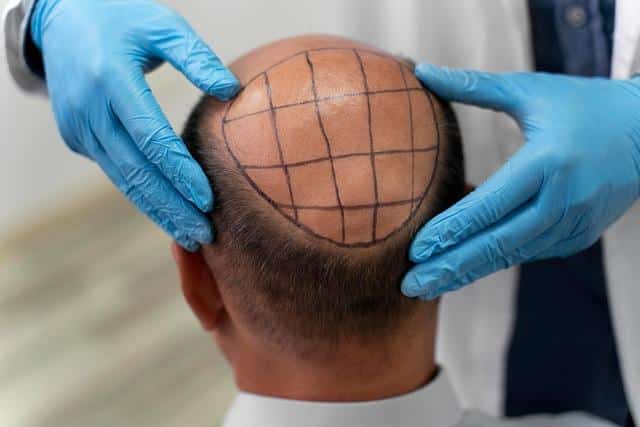
Hair transplants have gained immense popularity and, oh honey, let’s just say they are the talk of the town! Hair transplant surgeries typically involve moving hair follicles from an area of the scalp where hair is abundant (often called the donor area) to areas experiencing thinning or hair loss (the recipient area). The most common types of hair transplant techniques include Follicular Unit Transplantation (FUT) and Follicular Unit Extraction (FUE).
Exploring Hair Transplant Techniques
- Follicular Unit Transplantation (FUT): This technique involves removing a strip of hair from the donor site and dissecting it into individual follicular units. It’s effective for covering larger areas of baldness.
- Follicular Unit Extraction (FUE): FUE is less invasive and involves harvesting individual follicles directly from the scalp. This means there’s usually less scarring involved, which is perfect for those who are a tad squeamish about scalp invasions!
Hair transplants are primarily aimed at restoring hair density rather than altering texture. But that leads us to the sizzling question — Can You Change Your Hair Texture With A Hair Transplant?
Exploring Texture Change Possibilities
The short answer, darling? Not directly! Hair transplants are best for restoring the volume and fullness of your hair, but they won’t magically transform straight hair into luscious curls or vice versa. Here’s why:
Genetic Limitations
Your hair texture is fundamentally tied to your genetic makeup. When transplanting hair follicles, the new hair that grows from these follicles will maintain the texture of the donor hair. So, if you had straight hair before and you transplant curly hair from someone else, poof — curly hair isn’t the result! The same goes for other textures. Your hair behaves according to its own personality, and you can’t change that base level.
The Role of Donor Hair
The donor hair will always determine the characteristics of the transplanted hair. If the hair follicles taken from the back of your head are predominantly straight, the newly transplanted hair will also follow suit. So, while Can You Change Your Hair Texture With A Hair Transplant is a captivating question, the reality is a bit less enchanting.
Hair Textures and Hair Care Post-Transplant
While changing hair texture isn’t feasible with a transplant, you can still style, dye, and nurture your hair to express your fabulous personality! After a hair transplant, it’s essential to care for your new tresses properly to promote healthy hair growth and maintain the gorgeousness. Here are some key post-transplant hair care tips!
Hair Care Dos and Don’ts
- Do Follow Aftercare Instructions: Your surgeon will provide specific aftercare instructions, and it’s important to follow them religiously! This is your hair we’re talking about!
- Avoid Heat Styling in the Early Days: For the first few weeks post-transplant, keep the heat tools tucked away. Let your hair breathe and heal!
- Use Gentle Products: Opt for sulfate-free and gentle hair care products to avoid irritation in the transplant area. We’re all about love here!
- Stay Hydrated: Drinking water not only benefits your body but your hair too! It hydrates the scalp, promoting healthy growth.
Consulting a Hair Specialist
If you’re yearning for texture changes or experimentation, consulting with a professional stylist or dermatologist can provide personalized advice tailored to your unique hair needs. Sometimes, simple solutions like perming, relaxing, or innovative styling techniques can offer the transformations you crave.
Alternative Methods for Texture Change
While hair transplants don’t deliver magical texture changes, there are plenty of alternative methods to explore. If you’re sticking to a straight and silky look or reveling in those bouncy curls, embrace the following options:
Chemical Treatments
- Perms: Want those luscious curls? A perm might be your new best friend! This treatment gives you those fabulous waves or springs for a few months.
- Keratin Treatments: For a sleek, shiny effect, keratin treatments can smoothen out those stubborn curls for that ultra-glam look.
- Relaxers: If straight is your aesthetic, relaxers work wonders to alter the structure of the hair.
Styling Techniques
- Rollers and Foam: Use rollers for curls or waves, while straightening irons whip those locks into shape.
- Braiding: Letting your hair dry in braids can induce a wavy texture. It’s like magic!
- Wigs and Extensions: Sometimes the quickest way to change things up is with a fabulous wig or some extensions. Variety is the spice of life!
Long-term Results and Expectations
Investing in a hair transplant is a serious commitment, both financially and emotionally. It’s essential to have realistic expectations about the results. While hair transplants can rejuvenate thinning areas, the texture itself stays true to the genetics of your lush locks.
Recovery Timeline
The recovery process can vary, but generally, you may expect the following stages:
- Initial Healing Phase (1-2 Weeks): Redness and tenderness may occur; it’s all part of the healing. Hair may shed — don’t worry, it’s the old hair making way for new beauty!
- Hair Growth Phase (3-6 Months): You’ll start to see new strands popping through like beautiful little sprouts.
- Final Results (12 Months): By the end of the year, you can expect to admire your rejuvenated hair density. However, remember, it won’t change the texture!
Conclusion on Texture and Transplants
To wrap things up, Can You Change Your Hair Texture With A Hair Transplant? is a delightful question but one that leans towards the impossible. The intricacies of your hair’s texture are largely dictated by your genetics, and transplants primarily focus on volumizing.
If you’re seeking style or texture changes, look into fabulous alternatives like chemical treatments or styling techniques. Buzz about hair updates is thrilling, so stay fabulous and embrace your hair journey with confidence! If you ever need expert advice or a giggle over your hair woes, don’t hesitate, darling — the world of beauty is a sparkling adventure just waiting for you!
For more in-depth information about hair transplants and their techniques, check resources like the American Academy of Dermatology’s guide or PMC’s insights. Now go out there and rock that head of hair like the queen you are!