Can Water Pressure Affect Hair Loss? Let’s dive into this bubbly topic and explore how our everyday routines could be impacting our glorious mane. Hair loss can be a sensitive subject for so many of us, and understanding the various factors that can play a role is crucial. In this article, we will investigate how water pressure can affect hair loss, that pesky problem many of us face. So grab a comfy seat, settle in, and let’s unveil the steaming secrets of our showers!
Understanding Water Pressure
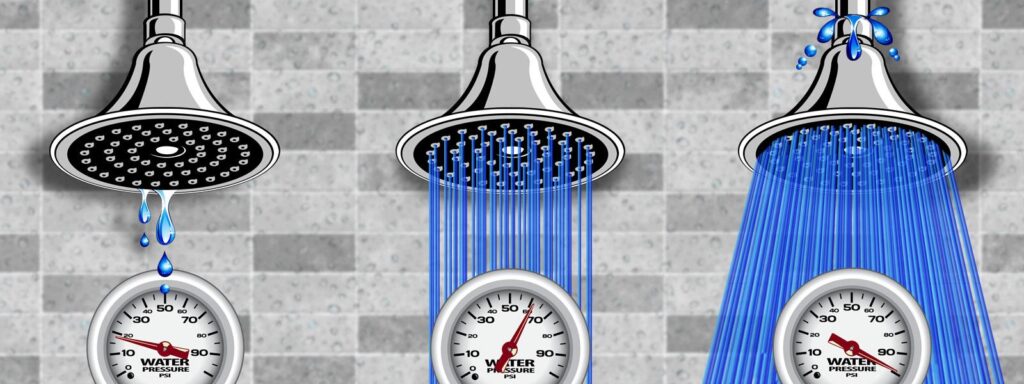
Water pressure is basically how hard the water is coming out of your faucets and showerheads. It’s influenced by a combination of factors, including your home’s plumbing system, local utility regulations, and even your geographic location. When you turn on the tap for a refreshing rinse, you might not think twice about the force of the water—but oh honey, it can make all the difference!
Why Water Pressure Matters
Here are some quick points to ponder about water pressure:
- Higher Pressure: It can feel exhilarating to have a strong stream of water cascading over you. However, if the water is too aggressive, it might be too harsh for delicate hair strands.
- Lower Pressure: On the other hand, low water pressure can lead to inadequate rinsing, leaving behind dirt and product buildup that can gradually damage your hair.
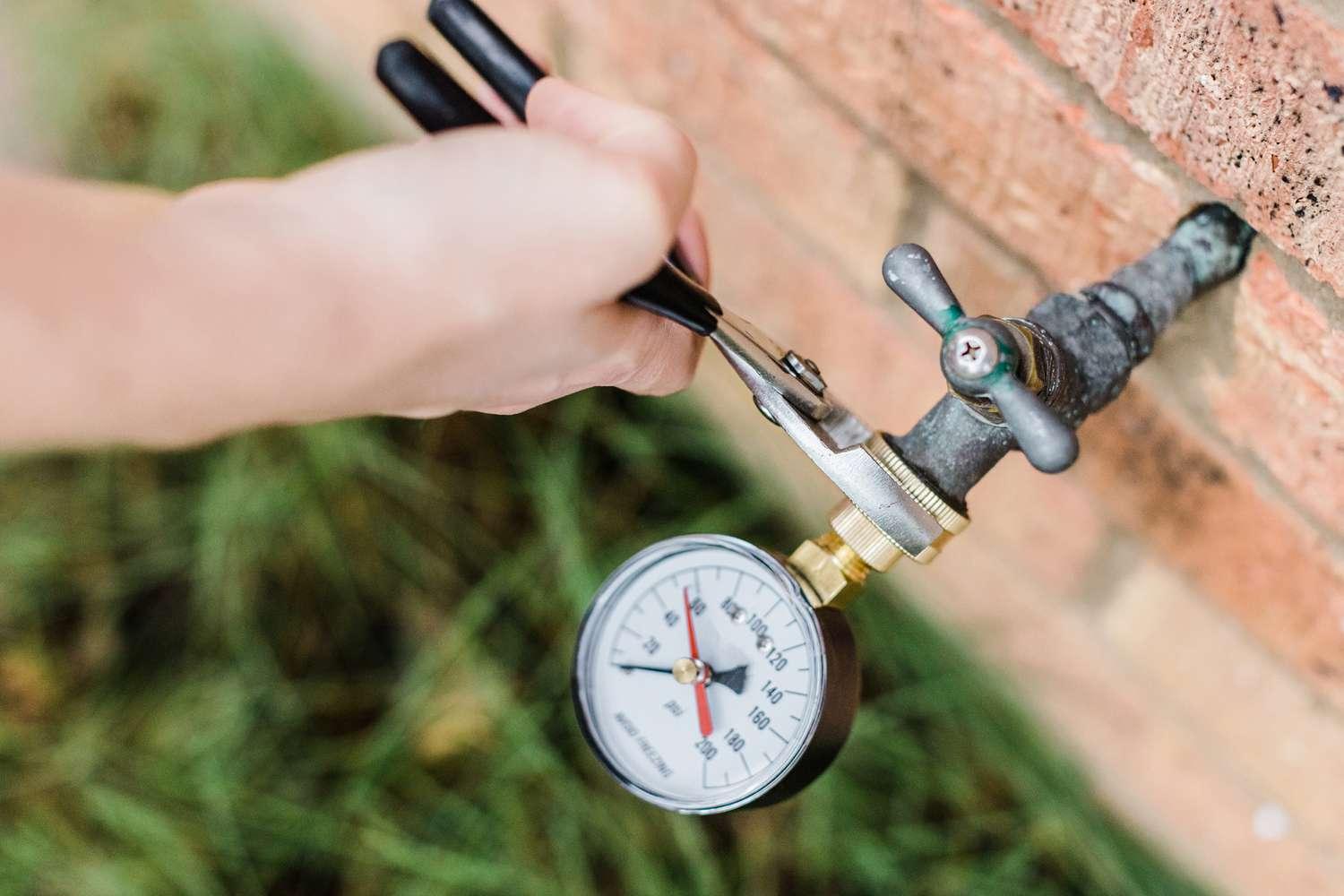
Identifying your water pressure level will help you decide whether it’s something to be concerned about in relation to your luscious locks.
How Water Pressure Can Impact Hair Health
In this section, we’ll break down the various ways that water pressure could impact hair health. From scalp health to product efficacy, it all intertwines in this tangled web of hair care.
Scalp Conditions and Hair Loss
Did you know that a healthy scalp is the foundation for beautiful hair? If we’re not taking care of our scalps, we might find ourselves facing hair loss.
High Water Pressure Risks
- Scalp Irritation: High-pressure water can cause micro-tears in your scalp skin, leading to irritation and inflammation. Over time, this can result in hair loss.
- Dried-Out Strands: When the water pressure is super high, it can strip away the natural oils that keep our hair nourished and shiny. Remember, we want sleek strands, not straw!
Low Water Pressure Risks
- Inadequate Rinsing: If the water pressure is too low, it might not effectively rinse out shampoos or conditioners. Residual product can lead to scalp buildup, which clogs hair follicles and can contribute to hair loss.
Hair Breakage and Shedding
Let’s talk about breakage and shedding—two words that can make any hair diva cringe. Both are influenced by our water pressure in sneaky ways.
Impact of High Water Pressure
- Physical Damage: High water pressure means more force on your hair strands, leading to increased breakage. We don’t want to be left with frizz and flyaways, do we?
- Strain on Hair Follicles: The strain can lead to weaker hair roots, potentially accelerating hair loss. This can result in your gorgeous locks looking limper than ever—yikes!
Impact of Low Water Pressure
- Product Build-Up: As previously mentioned, low water pressure can leave product and mineral buildup, which can suffocate hair follicles. Accumulation of this residue may cause shedding, and darling, we can’t have that!
Water Quality and Its Effects on Hair
Water quality is just as important as water pressure when it comes to maintaining hair health. It’s like the secret sauce to our fantastic hair routines.
Chlorine and Hard Water
If you’re experiencing hair loss, it’s essential to consider what’s swirling around in your water.
- Chlorine is often used in municipal water systems to eliminate pathogens. While it makes water safe to drink, it can have the opposite effect on hair. Chlorine can strip natural oils and worsen scalp health, causing hair loss.
- Hard water, another sneaky culprit, is laden with minerals like calcium and magnesium. When washed in hard water, hair can become more fragile over time. You can check your water quality using test kits available online—trust me, it’s worth it!
Regular Water Testing
It’s a fabulous idea to regularly test your water quality. This proactive measure can save your hair from unnecessary damage. There are many test kits available for purchase, making it easy to diagnose any lurking issues. For an even deeper dive, check out this detailed guide on water quality and hair health.
Hair Care Routines and Their Connection to Water Pressure
Okay, let’s spill the tea on hair care routines! What we do in the shower can truly impact the way our hair turns out.
Shampoo and Conditioner Application
Optimizing your products can be a game-changer.
- High Water Pressure Usage: If the pressure is higher, use a gentle touch! Be cautious not to scrub furiously in a wild frenzy. Instead, lightly massage your scalp with your fingertips to avoid irritation.
- Low Water Pressure Solutions: If your shower feels like a drizzle, focus on really working the products into your hair. Make sure to rinse thoroughly to avoid buildup.
Temperature Control When Washing Hair
You may be tempted to crank that hot water, but darling, let’s chat about temperature.
- High Temperatures: Hot water, when combined with high water pressure, can be extremely damaging. It can lead to dry, brittle hair that is just crying for moisture.
- Balancing Act: Use lukewarm water for washing, and finish off with a cool rinse to help close the hair cuticle and seal in moisture.
Preventative Measures for Hair Care
Let’s chat about all the good stuff we can do to prevent any hair emergencies!
Investing in Water Softeners and Filters
Using a water softener can greatly improve your hair health. Soft water helps to reduce the mineral content in the water, leading to a smoother and shinier hair texture. Additionally, water filters can eliminate chlorine and other potential irritants.
- Easy Installation: Many shower filters simply screw onto your existing showerhead—bye-bye harsh chemicals!
Routine Hydration and Hair Masks
Hydration goes a long way in maintaining your gorgeous hair.
- Drink Up: Always drink enough water—even your hair needs hydration too!
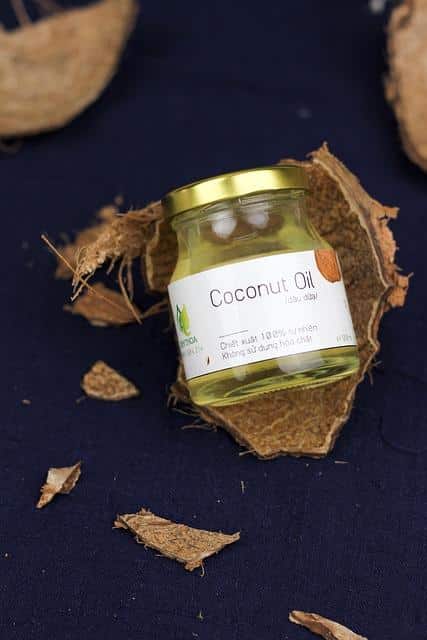
- Hair Masks: Treat yourself to nourishing hair masks once a week. Ingredients like coconut oil and argan oil can keep your strands moisturized and healthy, no matter what your water pressure looks like.
Expert Opinions and Research
Various studies and expert opinions suggest that water-related factors matter when it comes to hair health. Consult with trichologists or dermatologists if you have growing concerns about hair loss. They can guide you on whether your water pressure or quality could be playing part in the shedding drama.
Additional Resources
For more in-depth insights on how environmental factors can affect hair loss, visit AAD Hair Loss Causes. Understanding the holistic view of hair loss will help you address the issue from all angles.
Conclusion on Water Pressure and Hair Loss
So back to our main theme: can water pressure affect hair loss? Absolutely! Water pressure, coupled with quality and care routines, plays a significant role in how our hair behaves. By being aware of the water we use and implementing preventative measures, we can continue flaunting those lovely locks for years to come. Armed with this knowledge, let’s rock our hair confidence and tackle hair loss head-on. Cheers to fab hair days ahead!