Can Twins Have Different Hair Colors? This fascinating topic dives deep into the genetic wonders of twin siblings. While twins are often celebrated for their remarkable similarities, it’s quite possible for them to sport different hair colors, making them stand out in a crowd. Let’s unravel this delightful mystery together.
Understanding Twin Types and Hair Color Genetics
Twins generally fall into two categories: monozygotic (identical) and dizygotic (fraternal). The type of twins plays a significant role in their genetic expression, including hair color.
Monozygotic Twins and Genetics
Monozygotic twins originate from a single fertilized egg that splits into two embryos. As a result, they share the same genetic material, which often leads to striking physical similarities. However, even identical twins can have variations in hair color due to several factors.
- Epigenetics Influence: Hair color is controlled not just by genetics but also by epigenetic mechanisms that can modify gene expression without changing the underlying DNA sequence. This can lead to variations in traits such as hair color.
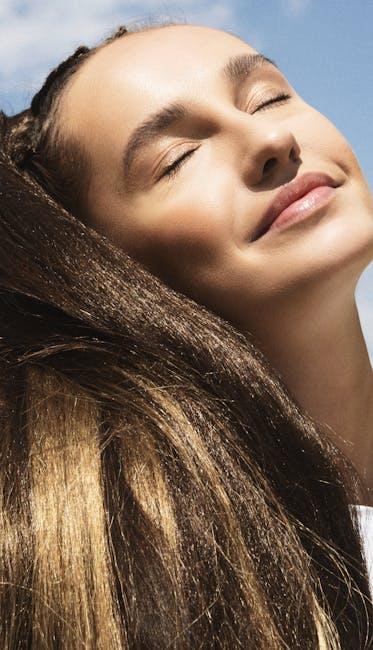
- Environmental Factors: Exposure to sunlight, hair dyes, and even diet can influence hair pigmentation over time. Even identical twins can have different hair shades if one spends more time outdoors, resulting in sun-kissed highlights!
Dizygotic Twins and Genetic Diversity
Dizygotic twins develop from two separate eggs fertilized by two different sperm cells, meaning they share about 50% of their genetic makeup, just like regular siblings. This genetic variance can lead to a stunning array of different hair colors among fraternal twins.
- Genetic Mixing: Each fraternal twin inherits a unique combination of genes from their parents. This mixing can result in one twin inheriting a gene for blond hair while the other might inherit a gene for dark hair, creating a delightful contrast.
- Dominant and Recessive Traits: Hair color is influenced by multiple genes, including those that govern melanin production and distribution. The dominant and recessive nature of these genes can lead to variations among fraternal twins.
The Role of Melanin in Hair Color
At the heart of the hair color debate is melanin, the pigment responsible for the color of hair, skin, and eyes. There are two types of melanin found in hair: eumelanin (black and brown) and pheomelanin (red and yellow). The combination of these pigments leads to various hair colors, and the degree of these colors can greatly differ between twins.
Variations in Melanin Production
- Higher Eumelanin Levels: More eumelanin produces darker hair colors, such as black or brown.
- Higher Pheomelanin Levels: More pheomelanin leads to lighter hair colors like blonde or red.
Even identical twins can have variations in these melanin levels, especially when influenced by their environment or individual health conditions.
Factors Contributing to Differing Hair Colors in Twins
Several intriguing factors can lead to different hair colors in twins, even those who may share the same genetic background. Let’s explore some of these contributing elements.
Genetic Mutations
Sometimes, small genetic mutations can alter the hair color even among identical twins. While it’s rare, it’s not unheard of for a mutation to cause one twin’s hair to take on a different hue from the other.
Age and Hair Color Change
As twins grow, the biological effects of aging can also play a role in hair color variation. Hair can darken or lighten, thin out, or even turn gray, leading to differences over time. So, the initial matching looks of baby twins may change dramatically by the time they hit their late teens or early twenties.
Environmental and Lifestyle Influences
- Sun Exposure: One twin might spend more time outdoors, leading to sun-bleached hair, while the other, a renowned couch potato, maintains their original color.
- Diet: Nutrition can affect hair health and color. A diet rich in certain vitamins can enhance natural color or promote changes that can make hair appear lighter or more vibrant.
Use of Hair Products
Each twin might have different grooming habits, leading to variations in hair color. One might favor heavy use of coloring products, while the other adopts a more natural approach.
Notable Real-Life Examples of Twins with Different Hair Colors
The world is filled with adorable twins, and some of the most intriguing cases involve differences in hair color. Here are a couple of notable examples:
Famous Identical Twins
- Tia and Tamera Mowry: These fabulous sisters gained fame from their 90s sitcom and have delighted fans with their unique looks. While they may not have drastically different hair colors, the stylistic choices they make set them apart beautifully.
Fraternal Twins
- Julia and Alina: These two shared a childhood of mischief and laughter in the same family, with Julia rocking gorgeous auburn curls while Alina sports a stunning head of dark brunette locks. Their playful antics showcase the beauty of genetic diversity!
Conclusion on Twins Having Different Hair Colors
So, can twins have different hair colors? Absolutely! The blend of genetics, environment, and personal choices brings about varying shades and hues in twins—making each duo uniquely beautiful in their own right. From identical twins with surprising variations to fraternal twins with distinct looks, the world of twins is as varied as it is fascinating.
Twins are a reminder that even in similarities, there can be delightful differences that enhance their unique identities. So the next time you see twins with a range of hair colors, remember: it’s all in the genes!
In a world that often seeks conformity, let’s celebrate the kaleidoscope of colors that twins can embody, blending their genetic heritage with their individual personalities. What a fabulous spectacle that is!
For more about twin genetics and related topics, check out resources from NCBI and Science Daily for research and insights into the wonderful world of genetics.