Can Sleep Apnea Cause Hair Loss? This is a burning question for many who might be struggling with their beauty routines while dealing with sleep issues. The relationship between sleep apnea and various health concerns is becoming increasingly prominent, and one particularly disheartening problem that many women face is hair loss. Understanding the connection between these two issues is essential if you want to take proactive steps toward improving your overall well-being, including your gorgeous locks.
Understanding Sleep Apnea and Its Impact
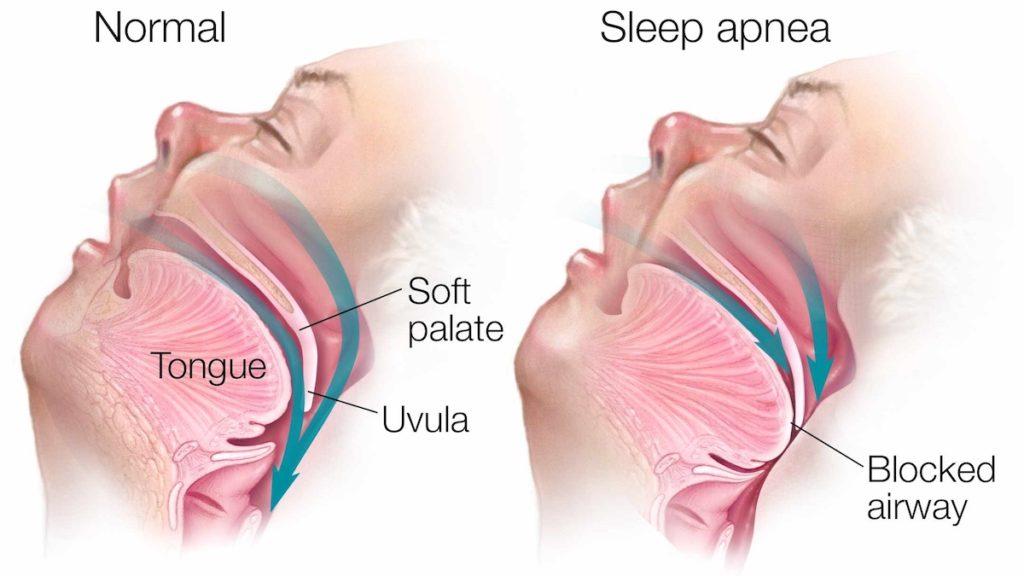
Sleep apnea is a condition characterized by repeated interruptions in breathing during sleep. These interruptions can lead to poor sleep quality, resulting in daytime fatigue, irritability, and a host of other health issues. There are primarily two types of sleep apnea: obstructive and central. Obstructive sleep apnea (OSA), the more common form, occurs when throat muscles relax excessively during sleep, blocking the airway. Central sleep apnea (CSA) is less common and occurs when the brain fails to send signals to the muscles that control breathing.
The significance of sleep apnea extends beyond just feeling tired. Chronic lack of restorative sleep can wreak havoc on your body, leading to numerous complications, including cardiovascular problems, weight gain, and yes—you guessed it—hair loss. When your body is deprived of critical restorative sleep, it can lead to an imbalance in hormones, including cortisol and other stress hormones, which play a major role in maintaining healthy hair growth.
Hormonal Imbalance and Hair Health
One of the big questions surrounding Can Sleep Apnea Cause Hair Loss? is whether or not poor sleep patterns can lead to hormonal changes that affect hair health. Indeed, hormonal imbalances can significantly impact hair follicles, leading to hair thinning or even hair loss.
- Cortisol and Hair Loss: Cortisol is a well-known stress hormone. Increased levels of cortisol can discourage hair growth. When you experience prolonged stress from sleep deprivation due to sleep apnea, your body may produce more cortisol, sending your hair into a telogen phase—essentially a resting phase, which can lead to shedding and eventual hair loss.
- Thyroid Hormones and Hair Growth: Thyroid hormones also play a significant role in hair health. Sleep apnea can affect thyroid function, leading to hypothyroidism, which has been linked to hair loss. A healthy thyroid promotes hair growth, while deficiencies can result in sluggish hair follicles.
- Other Hormonal Influences: Hormones like estrogen and testosterone also contribute to hair health. Menopause can be exacerbated by the lack of sleep due to sleep apnea, which can further affect estrogen levels. With lower estrogen levels, women may experience increased hair shedding.
The Connection Between Sleep Quality and Hair Loss
Another key factor in Can Sleep Apnea Cause Hair Loss? is the overall quality of sleep and how it supports hair growth cycles. Hair goes through cycles, and each hair grows for a specific amount of time before entering a resting phase. If sleep is routinely disrupted, your hair follicles become stressed, leading to these hair cycles being affected severely.
- Growth Phase (Anagen): During this phase, hair actively grows. If you’re not sleeping well, you may not spend enough time in this phase, which can diminish hair density.
- Resting Phase (Telogen): Prolonged sleep deprivation may force more hair follicles into this phase, causing hair to fall out more frequently.
- Stress and Shedding: Chronic stress from sleep deprivation may even trigger conditions like telogen effluvium, where hair falls out more dramatically due to stress on the body, adding to the concern surrounding hair loss.
Recognizing Symptoms of Sleep Apnea
If you’re wondering whether sleep apnea might be causing your hair loss, acknowledging the signs of sleep apnea could be a critical first step. Some common symptoms include:
- Loud snoring
- Gasping or choking sensations during sleep
- Morning headaches
- Daytime sleepiness and fatigue
- Difficulty concentrating
- Mood changes, including irritability or depression
Recognizing these symptoms can not only help diagnose sleep apnea but also bring attention to its possible effects on hair health.
Diagnosis and Treatment Options for Sleep Apnea
If the connection between sleep apnea and hair loss rings true, one must seek a proper diagnosis. Sleep studies, known as polysomnography, are often used to diagnose sleep apnea. These studies can monitor your sleep patterns and the effectiveness of your breathing.
Once diagnosed, treatment options can vary depending on the severity of the condition, including lifestyle changes, use of a CPAP (Continuous Positive Airway Pressure) machine, oral appliances, or even surgery in more extreme cases. Here’s a breakdown:
| Treatment Option | Description |
|---|---|
| Lifestyle Changes | Weight loss, quitting smoking, and adjusting sleep positions can dramatically improve symptoms. |
| CPAP Machine | A device that delivers a constant flow of air to keep the airway open during sleep. |
| Oral Appliances | These devices help keep the throat open by repositioning the jaw. |
| Surgery | Recommended for those with severe cases, surgery can correct structural issues in the airway. |
Taking Control of Hair Health During Sleep Apnea Treatment
As one embarks on the journey to treat sleep apnea, it’s essential not to overlook holistic approaches to hair health. Here are some tips that may help minimize hair loss during treatment:
- Nutrition is Key: Ensure you’re consuming a balanced diet rich in vitamins and minerals, focusing on biotin, zinc, and iron, which are known to support hair growth.
- Sleep Hygiene: Create a calming bedtime routine to improve sleep quality. Consider dimming the lights, using calming essential oils, or even soft music.
- Scalp Care: Invest in nourishing scalp treatments and shampoos that promote healthy hair follicles.
- Stress Management: Incorporate stress reduction techniques such as yoga, meditation, or even light exercise into your daily routine to help balance hormones.
- Professional Support: Collaborate with healthcare providers who can focus on both sleep apnea and its effects on hair health. Sometimes, working with a nutritionist or a trichologist can provide insight into accompanying hair loss treatment plans.
Conclusion: The Link Between Sleep Apnea and Hair Loss
So, can sleep apnea cause hair loss? The evidence suggests a complicated and interwoven connection. Sleep apnea can disrupt the sleep cycle, leading to hormonal imbalances that affect hair health and growth. By treating sleep apnea, not only can one expect improved sleep quality and overall health, but there’s also hope for maintaining those luscious locks.
Addressing sleep apnea is crucial, and as women, this journey to better sleep can transform so much more than just how we feel—it can rejuvenate our hair, confidence, and overall well-being! With the right approach, like a delightful self-care routine, it’s possible to reclaim that gorgeous mane while tackling sleep issues head-on. More dreamy sleep means happier hair days, so let’s get started, shall we?
For further reading and support, consider visiting reputable links like Sleep Foundation and Mayo Clinic for comprehensive insights into sleep apnea and its vast impacts on health.