Can mold cause hair loss? This question might pop into your mind, especially if you’re dealing with pesky mold issues in your home or workplace. Mold is more than just an unsightly bathroom annoyance or a homeowner’s nightmare; it could actually have some surprising effects on your health, including your lovely locks. Let’s dive into the world of mold and its connection to hair loss, shall we?
The Basics of Mold
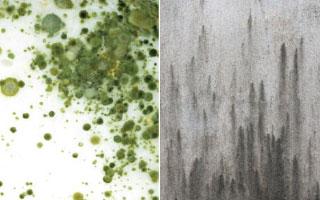
Mold is a type of fungi that thrives in damp, warm, and humid environments. There are thousands of mold species, and they can be found both indoors and outdoors. While some molds are harmless, others can produce mycotoxins – toxic compounds that can cause a variety of health problems. Here are some key points about mold:
- Growing Conditions: Mold spores reproduce through tiny seeds that are released into the air. If they land on a damp surface, they can settle and start to grow within 24 to 48 hours.
- Common Types: Some of the most common molds that you might bump into include Aspergillus, Penicillium, and Stachybotrys (commonly known as black mold). Eek!
- Health Risks: Mold can cause respiratory problems, skin irritations, and even more serious health issues for those with compromised immune systems. The connection to hair loss, though, is what we’re really interested in.
Mold Exposure and Its Impact on Hair Health
So, how exactly can mold potentially lead to hair loss? Well, it’s all about the body’s response to mold exposure. When the body encounters allergens, including mold spores, it may trigger various reactions that can affect your hair. Here’s how it can happen:
Allergic Reactions
Allergic reactions to mold can cause inflammation throughout the body. This inflammation can lead to a condition known as telogen effluvium, where hair follicles enter into a shedding phase prematurely. Here are some specifics to understand how this works:
- Immune Response: When mold spores enter your system, your immune system goes into overdrive to fight them off. This response can create inflammation in various parts of your body, including your scalp.
- Related Symptoms: Symptoms of mold allergies can include sneezing, coughing, nasal congestion, and even itchy, inflamed skin. If your scalp is irritated, it’s not just uncomfortable—it can affect hair growth.
Fungal Infections
In some cases, certain molds can lead to fungal infections on the scalp, such as tinea capitis. It’s like a party no one wants to attend but finds themselves trapped in! Here’s what you need to know:
- Transmission: Tinea capitis is contagious and can spread through direct contact or sharing personal items like hats and hairbrushes.
- Symptoms: The signs include patchy hair loss, itching, and scaly patches on the scalp—yikes! This type of hair loss is usually more severe than that caused by telogen effluvium and may require treatment to regain your luscious locks.
Stress and Hair Loss
Dealing with a mold issue in your living space can be seriously stressful—right? And guess what? Stress is another sneaky way hair loss occurs. When you’re stressed, your body produces more cortisol, which can lead to hair thinning and loss. Combine stress from mold with bodily responses to allergens, and you’ve got a recipe for hair woes.
Prevention and Treatment: Keeping Your Hair Safe from Mold
Knowing that mold could cause hair loss, it’s vital to take proactive steps to reduce your exposure. Here are some strategies to keep mold at bay and your hair flourishing:
Eliminating Mold at Home
- Identify Sources: Check for areas in your home where moisture builds up, like bathrooms or near leaky pipes. Look for visible mold spots.
- Professional Help: If you’ve got a serious mold problem, don’t hesitate to call in professionals who can safely remove the mold without making things worse.
- Keep it Dry: Use dehumidifiers in areas of high humidity and ensure proper ventilation in bathrooms and kitchens.
- Regular Cleaning: Don’t forget to clean your home regularly with mold-fighting cleaners. A mix of vinegar and water can be effective, just avoid those harsh chemicals if you can.
Taking Care of Your Hair
- Nourish Your Scalp: Use gentle, hydrating hair products that won’t irritate your scalp further. Look for sulfate-free shampoos and conditioners.
- Consult a Dermatologist: If you’re experiencing hair loss, seek guidance from a healthcare provider who can offer tailored advice or treatments, such as topical antifungals or corticosteroids.
- Stress Management: Practice self-care to manage stress better. Yoga, meditation, or pampering yourself with spa days can help immensely! (And just think of all those cute selfies you can take post-spa.)
Recognizing the Signs of Mold-Related Hair Loss
If you’re starting to notice changes in your hair, it’s essential to recognize the signs early. Here are some things to look out for:
Hair Thinning
If you notice that your hair is not as thick as it used to be, it could be time to investigate that mold in your space.
Increased Hair Shedding
Finding more hair strands on your brush or in the shower drain than usual? Don’t panic just yet, but pay attention!
Scalp Irritation
Any signs of constant itching or flaking on your scalp can be potential signals that mold might be involved.
When to Seek Help
If you’re experiencing significant hair loss, it’s best to reach out to a dermatologist or trichologist. They can assess your situation and help determine whether mold exposure is a factor. They’ll help you navigate your options and possibly suggest treatments that can rejuvenate your hair.
Conclusion: Understanding the Connection Between Mold and Hair Loss
So, can mold cause hair loss? Absolutely, but it’s just one of the many potential culprits. Remember that taking preventive measures to control mold, combined with caring for your hair and scalp, is crucial. Always listen to your body and seek professional guidance whenever needed. After all, your hair deserves the royal treatment! Keep those tresses fabulous, and wave goodbye to mold’s undesirable effects!
For more information on mold and its impact on health, check out reputable sources like the CDC for guidelines and tips.