Can low progesterone cause hair loss? It’s a question that many women find themselves pondering at some point, especially when they start noticing a few more strands than usual on their hairbrush. The relationship between hormones and hair health is a fascinating and complex one, with progesterone playing a significant role in the equation.
Understanding Progesterone and Its Role in the Body
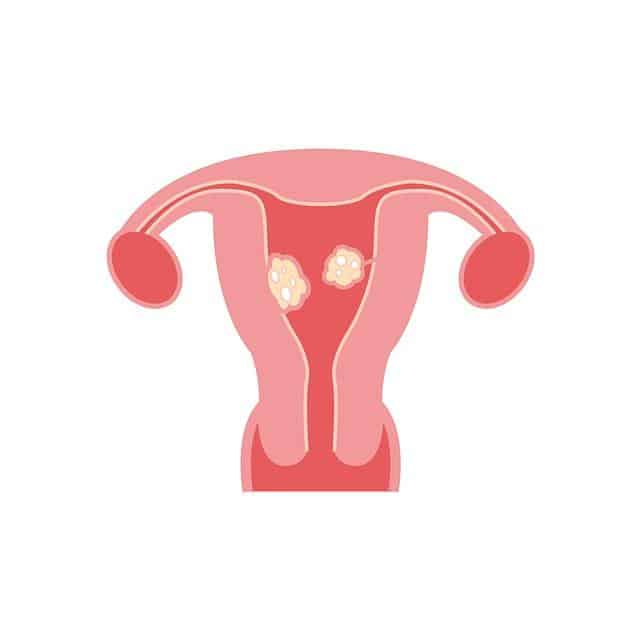
Progesterone is a crucial hormone that helps regulate many bodily functions, particularly in women. Produced mainly in the ovaries, this hormone is responsible for preparing the uterus for pregnancy, regulating the menstrual cycle, and supporting various other facets of female health. But let’s not forget its impact on hair health—it helps maintain the hair follicle’s lifecycle, promoting growth and preventing hair loss.
The Connection Between Low Progesterone and Hair Loss
So, can low progesterone cause hair loss? The answer is a resounding yes! When progesterone levels drop, it can lead to several changes in the body, including irregular menstrual cycles, mood swings, and, you guessed it, hair loss. Low progesterone can alter the delicate balance of hormones, particularly testosterone and estrogen. In situations where there’s an excess of testosterone, hair follicles may shrink, leading to thinning hair or, in worst-case scenarios, hair loss.
How Hormonal Imbalances Affect Hair Growth Cycles
To fully understand how low progesterone can lead to hair loss, it’s essential to know about the hair growth cycle. Hair grows in three distinct phases:
- Anagen (Growth Phase): This is where the hair actively grows. Progesterone supports the anagen phase by promoting follicle health.
- Catagen (Transition Phase): This short transitional phase happens when hair stops growing and prepares to shed.
- Telogen (Resting Phase): In the telogen phase, hair rests before shedding. If hormonal levels, including progesterone, are imbalanced, the duration of these phases can shift, often extending the telogen phase leading to increased hair loss.
When progesterone is low, hair may go into the telogen phase prematurely, resulting in increased shedding and noticeable thinning over time.
Symptoms of Low Progesterone Levels
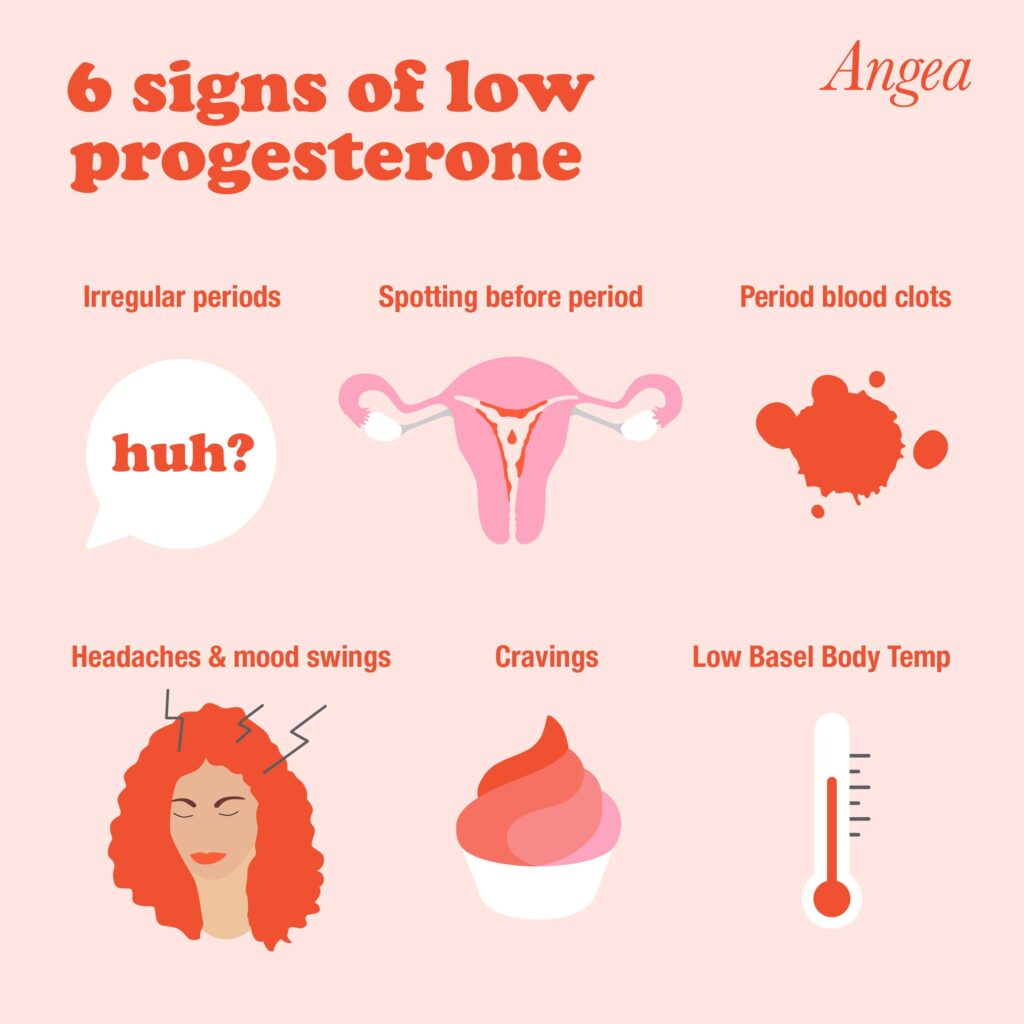
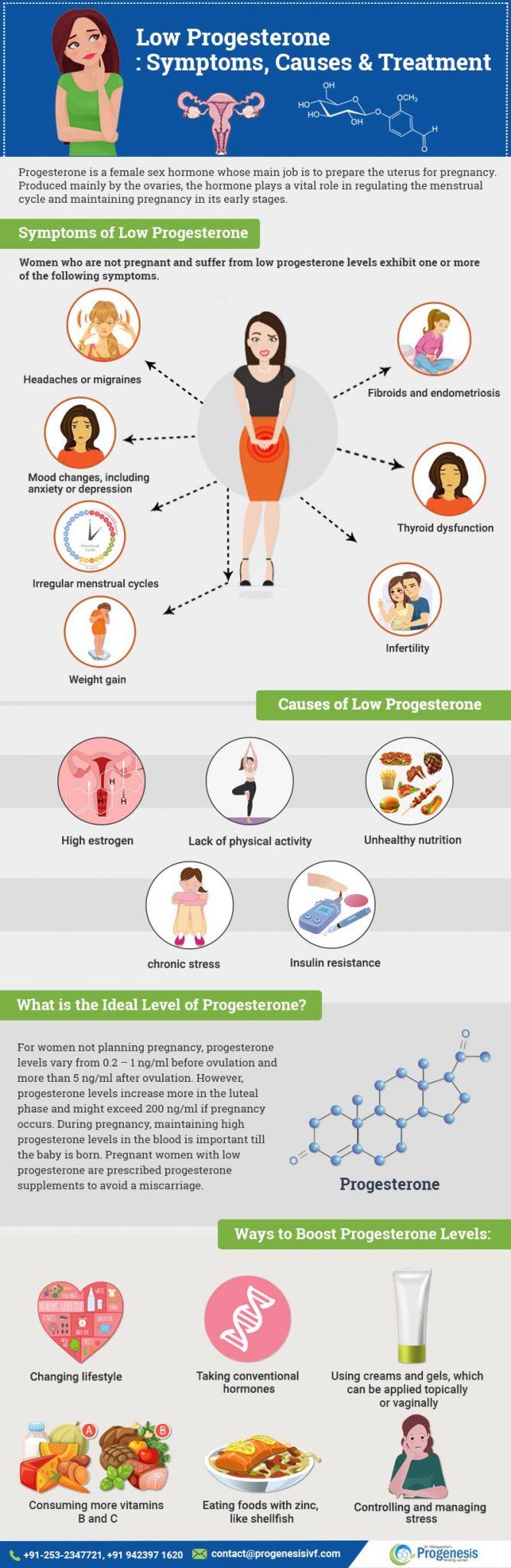
Recognizing low progesterone levels is the first step in addressing related issues, including hair loss. Some classic symptoms include:
- Irregular Menstrual Cycles: This is often one of the first signals that hormonal balances are off.
- Mood Swings: Low progesterone can lead to anxiety and increased irritability.
- Fatigue: Women might experience unusual tiredness, even after a full night’s sleep.
- Weight Gain: An unexplained increase in weight can sometimes be attributed to low progesterone.
- Thinning Hair: Of course, thinning or loss of hair is a significant red flag. If you notice more hair clogging the shower drain, it might be time to investigate your progesterone levels.
The Role of Estrogen and Testosterone
To understand the extent to which low progesterone can cause hair loss, it’s vital to consider the roles of estrogen and testosterone. These hormones work synergistically with progesterone:
- Estrogen: When progesterone levels drop, estrogen can dominate. While estrogen promotes healthy hair growth, an imbalance can lead to issues like hair thinning or dryness.
- Testosterone: A drop in progesterone often leads to a relative increase in testosterone levels, especially in women predisposed to hormonal imbalances. Elevated testosterone can cause hair follicles to miniaturize, reminiscent of male pattern baldness.
Nutritional Support for Healthy Progesterone Levels
Addressing low progesterone naturally can help mitigate hair loss. A balanced diet rich in essential nutrients is crucial for hormone optimization. Here are some vitamins and minerals that can aid in maintaining healthy progesterone levels:
- Vitamin B6: This vitamin plays a role in hormone regulation and can help counteract the effects of imbalanced hormones on hair.
- Magnesium: Besides supporting numerous bodily functions, magnesium can influence progesterone production.
- Zinc: A vital mineral for hair health, zinc can support hormonal balance by preventing hair follicle miniaturization.
- Healthy Fats: Foods rich in omega-3 fatty acids, like avocados and nuts, can also help support hormone production.
Lifestyle Changes to Promote Hormonal Balance
In addition to nutrition, adopting some lifestyle changes can promote balance and help with the low progesterone levels related to hair loss:
- Stress Management: High-stress levels can lead to hormonal imbalance. Practices like yoga, meditation, or simple breathing exercises can work wonders.
- Regular Exercise: Engaging in regular physical activity can help reduce cortisol, the stress hormone, and balance other hormones, including progesterone.
- Sleep Hygiene: Sleep plays a significant role in hormone regulation. Aim for 7-9 hours of quality sleep every night.
Medical Treatments and Hormonal Therapies
For some women, lifestyle changes and nutrition might not be enough. If low progesterone levels are significantly impacting hair health, it might be time to explore medical interventions:
- Hormonal Contraceptives: Birth control pills can help balance hormones for some women, stabilizing progesterone and preventing hair loss.
- Progesterone Supplements: These can be prescribed to boost progesterone levels and counteract hair loss.
- Topical Treatments: Certain topical products like minoxidil can help promote hair growth, especially if combined with hormone therapy.
Conclusion – Addressing Low Progesterone and Hair Loss
Can low progesterone cause hair loss? Absolutely! Understanding the connection between hormonal imbalances and hair health is crucial for women, especially as they age or go through major life changes like childbirth or menopause. Monitoring symptoms, making dietary adjustments, and seeking the right medical advice can all play essential roles in addressing these issues.
Through hormone balancing strategies, lifestyle changes, and potentially seeking medical treatments, women can work towards not only improved hair health but increased overall well-being. Don’t let the worry of hair loss bring you down—embracing a comprehensive approach can usher in change, revitalizing your crown of glory!
For detailed information on managing hormonal health, consider checking out these resources: NCBI Article on Hormonal Health and Healthline on Hormones and Hair.