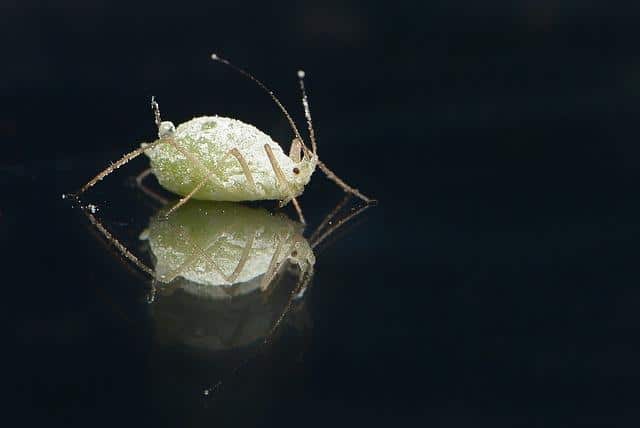
Can Lice Cause Hair Loss? This question has been circulating in the minds of many who have battled the pesky critters. Lice, those tiny little critters that set up a cozy home in your scalp, can be a real nuisance. But can they actually lead to hair loss? Let’s dive into the world of lice and unveil the truth about their impact on our luscious locks.
Understanding Lice Infestation
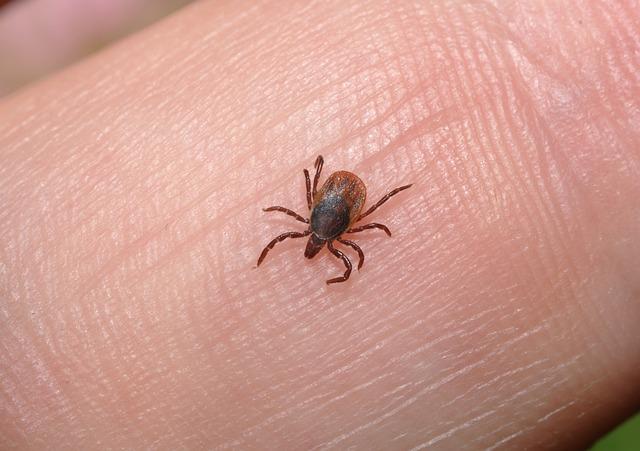
Lice are parasitic insects that make your scalp their personal playground. There are three main types:
- Head lice: The most common and notorious type that loves to chill on your scalp and feed on your blood.
- Body lice: Not as glamorous as their head counterparts, they prefer to hang out in clothing and only visit the skin for a meal.
- Pubic lice: These tiny bugs are also known as “crabs” and have a preference for the, um, cozier areas of your body.
While these tiny troublemakers are primarily known for spreading irritation and making you itch like you’ve just rolled in poison ivy, the burning question remains: can lice cause hair loss?
The Link Between Lice and Hair Loss
What Really Happens During a Lice Infection
When lice colonize your scalp, they can cause discomfort and sometimes lead to more serious issues. Here’s the scoop on how this can unfold:
- Itching and Scratching: The first symptom of lice is, of course, the relentless itching. It’s not just annoying; it’s downright distracting! The urge to scratch can lead to injury on the scalp. Over time, constant scratching can cause your hair to weaken at the roots, potentially causing some hair breakage or, in extreme cases, temporary hair loss.
- Secondary Infections: If those scratch marks turn into open wounds, you might be opening yourself up to bacterial infections. These infections can exacerbate existing hair loss or contribute to hair thinning, as the inflammation can result in damage to hair follicles themselves.
- Stress and Anxiety: Let’s get real—dealing with lice can be a psychological rollercoaster! The anxiety and stress that come with an infestation can certainly take a toll on your overall health, which might contribute to hair loss. High-stress levels are known culprits in hair thinning. So, if you’re losing your mind over lice, your hair might just follow suit!
Severity of Hair Loss Linked to Lice
While some people may experience temporary hair damage or thinning due to the reasons mentioned above, severe hair loss induced purely by lice is relatively uncommon. Most lice-related hair issues are temporary and resolve with effective treatment. Nonetheless, it’s essential to be vigilant if you suspect an infestation.
How to Treat Lice and Prevent Hair Loss
Effective Treatment Methods
When considering the treatment options, it’s important to act quickly and effectively to minimize complications, including hair loss. Here are some effective methods:
- Over-the-Counter Treatments: There are various medications available at drugstores that can help eliminate lice. Look for those containing permethrin or pyrethrin, which are typically effective in killing lice.
- Prescription Medications: If over-the-counter options don’t do the trick, consider consulting a healthcare provider. They can prescribe stronger treatments that may be more effective for stubborn lice populations.
- Natural Remedies: Some people swear by natural remedies, such as essential oils (like tea tree or lavender oil) or mayonnaise, applied to the scalp and hair. However, be cautious and maybe do a patch test first!
- Combing and Nit Removal: After any lice treatment, it’s crucial to comb through wet hair with a fine-tooth comb to remove dead lice and their eggs (nits). Combing is a meticulous process but is essential to ensure that any remaining lice are eradicated.
Preventing Future Infestations
To keep those nasty little bugs at bay, consider implementing these preventative strategies:
- Avoid Sharing Personal Items: Lice spread through close contact, so avoid sharing hats, brushes, helmets, or hair accessories.
- Regular Hair Checks: Especially if someone in the household has had lice, make it a routine to check the hair of everyone in the family.
- Teach Kids About Lice: Educate children on how lice spread. Making them aware can promote good habits in school settings and reduce the likelihood of an infestation.
When to See a Professional
If home treatments aren’t effective or if hair loss is significant, it’s time to call in the big guns, aka a healthcare professional. They can provide tailored advice and may suggest additional treatments such as medicated shampoos or topical solutions specifically designed for lice.
The Bottom Line: Can Lice Cause Hair Loss?
So, can lice cause hair loss? In most scenarios, the answer is: not directly, but the effects of scratching and potential infections can lead to hair thinning or breakage. It’s crucial to act quickly and effectively if you find yourself in a lice battle. Keep calm and remember, with the right treatment and a little TLC for your hair, you can have those lice waves washed away in no time!
For additional information and resources, check out these reputable sources: Centers for Disease Control and Prevention (CDC) and American Academy of Pediatrics (AAP).
keep your locks healthy and gorgeous, and let’s keep those sneaky lice at bay! Your hair deserves nothing less than a fabulous life, free from infestation!