Can high testosterone cause hair loss? This question has danced around beauty salons and fitness centers alike, sparking conversations that range from concerned whispers to comedic banter. While testosterone is often celebrated for its role in muscle building and overall vitality, it has a controversial relationship with our lovely locks. Let’s dive deep into the world of hormones, hair, and all things fabulous to answer the burning question: can high testosterone really lead to hair loss?
Understanding Testosterone and Its Impact on the Body
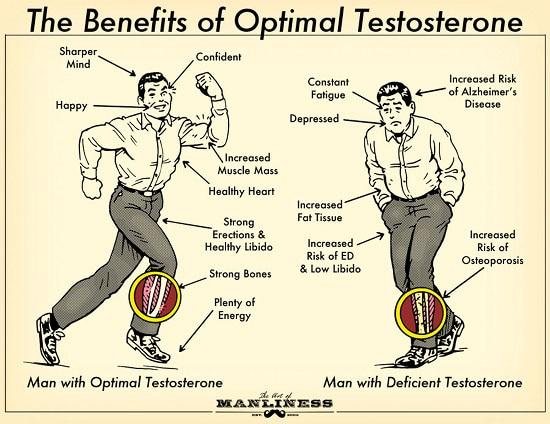
Testosterone, the superstar hormone typically associated with masculinity, plays a crucial role in the bodies of both men and women. It’s the hormone that helps build muscle, regulates mood, and yes, supports hair growth too! But, can high testosterone cause hair loss? To grasp the intricacies of this relationship, we first need to understand what testosterone does in the body.
What is Testosterone?
Testosterone is a steroid hormone primarily produced in the testes for men and in smaller amounts in the ovaries and adrenal glands for women. It’s responsible for various functions, including:
- Muscle Growth: Testosterone helps increase muscle mass and strength.
- Bone Density: It plays a part in maintaining bone health.
- Mood Regulation: Low levels of testosterone can lead to mood swings and irritability.
In addition to these functions, testosterone also influences hair growth, particularly in the form of androgens, which are male hormones. But sometimes, when testosterone levels surge, they might have unintended consequences.
How Testosterone Affects Hair
When we ponder over the question, can high testosterone cause hair loss, we need to dive into a different type of hair loss known as androgenetic alopecia. This is where things get a bit more complicated and a tad interesting!
- Androgens and Hair Follicles: High levels of testosterone (or its derivative, dihydrotestosterone or DHT) can bind to the androgen receptors in hair follicles. This binding can shrink hair follicles, leading to thinner hair and sometimes even complete hair loss.
- Di-Hydrotestosterone and Hair Loss: DHT, specifically, is a significant player in hair loss. Elevated testosterone can lead to increased DHT levels, which are notorious for contributing to hair thinning and loss, especially in genetically predisposed individuals.
- Genetic Predisposition: If there’s a history of hair loss in your family, you might be more susceptible to the effects of high testosterone on your hair.
At this point, you’re probably wondering about the difference between male and female patterns of hair loss linked to testosterone levels. Spoiler alert: it’s quite a fascinating topic!
The Gender Factor in Hair Loss
So can high testosterone cause hair loss differently in men and women? You bet it can! Men are generally more susceptible to genetic hair loss due to higher testosterone levels, while women experience different forms of hair thinning, often due to hormonal changes during menstruation, pregnancy, or menopause.
Male Pattern Baldness
In men, male pattern baldness is often a direct result of an excess of DHT. This condition typically starts with a receding hairline or thinning at the crown of the head. So, if you have high testosterone levels, and you notice your hair thinning in those areas, you might just have your answer!
Female Pattern Hair Loss
Women, on the other hand, experience hair loss more diffusely across the scalp and it’s generally less severe than male pattern baldness. This form of hair loss often comes as a shock because unlike men, women tend to keep their hair for much longer before noticing significant changes. High testosterone can occasionally be the culprit here, especially in women with conditions like polycystic ovary syndrome (PCOS), which causes hormonal imbalances.
Other Factors Affecting Hair Loss
Now, before you start blaming all your hair woes on testosterone, let’s explore other potential culprits that can lead to hair loss.
Stress
High levels of stress can trigger telogen effluvium, which is a temporary condition where hair prematurely enters the resting phase, leading to unexpected shedding. This hair loss presents a type of diffuse thinning all over the scalp and can be exacerbated by hormonal changes.
Diet and Nutrition
What you eat has a monumental effect too! Deficiencies in essential vitamins and minerals such as iron, zinc, and vitamins A and D can lead to hair loss. A well-held secret among beauty lovers is that maintaining a balanced diet assures not just a healthier body but also luscious locks.
Health Conditions
Conditions like hypotrichosis and thyroid disorders can cause hair thinning, and sometimes these issues correlate with hormonal imbalances. It’s always vital to check in with a healthcare professional if you’re experiencing unusual hair loss.
Diagnosing High Testosterone Levels
If you’re suspiciously facing hair loss and wondering if high testosterone is the mastermind behind it, your next steps should include a thorough diagnosis.
- Blood Tests: Your doctor may recommend blood tests to measure your testosterone and DHT levels. This should give you a clearer picture of your hormonal health.
- Medical History Review: Discuss any familial patterns of hair loss, health conditions, and medications. This context is crucial in understanding the bigger picture.
- Physical Examination: A dermatologist or trichologist can evaluate your scalp and hair type, suggesting the best course of action.
Treatments for Hair Loss Related to High Testosterone
So, can high testosterone cause hair loss? Yes, it can! But fret not, fabulous ones; there are several treatments available to help restore the dignity of your do! Here are the most popular and effective treatments:
Medications
- Minoxidil: Often known by the brand name Rogaine, this topical solution promotes hair growth in both men and women. It helps stimulate hair follicles to bring out that fabulous mane!
- Finasteride: This oral medication prevents testosterone from converting into DHT, which is the gelato scoop of hair loss creaminess. It’s particularly effective for men.
- Spironolactone: Frequently prescribed for women, this medication can help reduce levels of androgens which may lessen hair loss.
Lifestyle Changes
- Balanced Diet: Eating plenty of fruits, vegetables, whole grains, and lean proteins can help ensure your body has the nutrients it needs to support healthy hair.
- Managing Stress: Engaging in relaxation practices like yoga or meditation can help lower your stress levels. That way, your hair can concentrate on growing rather than falling out.
- Regular Check-Ups: Consistent medical check-ups can help you stay on top of any hormonal changes that may affect your hair health.
Natural Remedies
- Essential Oils: Seemingly, nature has given us many treasures! Oils like rosemary and peppermint have shown promise in promoting hair growth when massaged into the scalp.
- Herbal Supplements: Some natural supplements may support androgen balance, like saw palmetto, which can promote hair health. Remember to consult your healthcare provider before diving into the world of supplements!
Cosmetic Solutions
- Hair Transplant Surgery: For those with substantial hair loss, a hair transplant might be the golden solution. It’s a surgical procedure that redistributes hair follicles from denser areas to balding areas.
- Wigs and Hairpieces: If you’re looking for something more immediate, chic wigs and hairpieces can provide that luscious look while you work on growing your natural hair.
Conclusion
can high testosterone cause hair loss? Absolutely! While high levels can lead to the dastardly effects of thinning hair or bald patches, understanding the connection gives you the power to combat it with various treatment options and lifestyle adjustments. If you suspect that testosterone is messing with your fabulous hair, don’t throw in the towel (or slip on that wig) just yet! Seek professional advice, explore your options, and embrace the journey toward regaining your confidence one strand at a time.
Remember, you are not alone in this hair-raising adventure! Whether you’re sharing your hair battles with friends or strategizing your hair recovery plan, owning your story can be just as powerful as restoring your beautiful mane. Cheers to thick, luscious, and gorgeous hair!
And shhh… let’s keep this hair wisdom among gorgeous friends, shall we? 💖