Can High Estrogen Cause Hair Loss? This question is a topic of growing interest among women (and some men), especially those who are experiencing unexpected hair thinning or loss. Hair is often seen as a crown of beauty, and dealing with hair loss can feel like a mini-crisis. But does high estrogen play a role in this distressing process? Let’s untangle this hair-raising mystery together!
Understanding Estrogen and Its Role in Hair Health
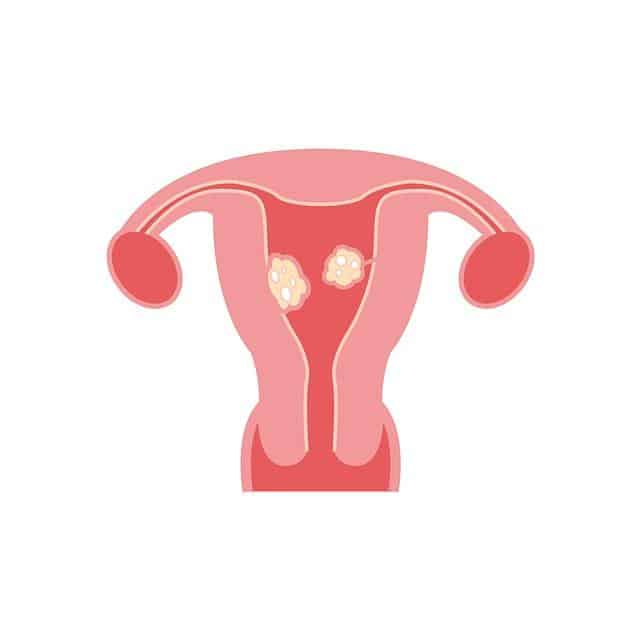
Estrogen is one of the primary female hormones, naturally present in both women and men, albeit at different levels. It plays a critical role in various bodily functions, including the regulation of the menstrual cycle, maintaining bone density, and even promoting healthy skin and hair growth. In women, estrogen helps promote hair growth by extending the anagen (growth) phase of the hair cycle. However, when estrogen levels are too high, it can lead to a variety of health issues, including potential hair loss.
How High Estrogen Affects Hair Growth
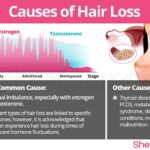
High estrogen levels can disrupt the delicate balance of hormones in the body, leading to conditions like hormonal imbalances. When estrogen dominance occurs, it can interfere with androgen levels (male hormones), which are necessary for hair health. Hair follicles may become sensitive to these hormone fluctuations, often leading to conditions such as telogen effluvium or hormonal alopecia.
Here’s a neat little breakdown of how high estrogen can influence hair loss:
- Follicular Disruption: Excessive estrogen can create an imbalance that disrupts the natural growth cycle of hair follicles, leading to increased shedding.
- Androgen Sensitivity: Elevated estrogen may amplify sensitivity to androgens, leading to thinning hair.
- Inflammation: High estrogen levels can lead to inflammation, which also impacts hair health.
Underlying Conditions Associated with High Estrogen Levels
Understanding the underlying conditions associated with high estrogen is crucial in deciphering the connection between high estrogen and hair loss. Women can experience high estrogen levels due to various factors, including:
- Medications: Hormonal medications (such as certain birth control pills) can increase estrogen levels, which may contribute to hair thinning.
- Hormonal Disorders: Conditions like polycystic ovary syndrome (PCOS) can lead to elevated estrogen levels and hair loss.
- Diet and Lifestyle: A diet high in phytoestrogens or excessive body fat can increase estrogen levels in the body.
Symptoms of High Estrogen Levels
Identifying high estrogen levels is essential to understanding its role in hair loss. Here’s a quick overview of common symptoms associated with high estrogen levels:
- Weight Gain: Specifically, hip and waist area.
- Mood Swings: Increased anxiety or depression.
- Menstrual Irregularities: Heavy or irregular periods.
- Fatigue: Unexplained tiredness or lethargy.
Exploring the Connection Between High Estrogen and Hair Loss
Let’s get into the nitty-gritty! So can high estrogen cause hair loss? Absolutely! High estrogen can lead to hair loss through various mechanisms, and understanding this connection is vital for women experiencing these issues.
Increased Shedding of Hair
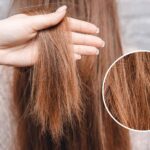
One of the first signs is oftentimes increased shedding. Women may notice that they’re losing more hair than usual, especially in the shower or on their hairbrush. This shedding can occur due to the previously mentioned telogen effluvium, a condition triggered by stress or hormonal imbalances.
Thinning Hair in Specific Areas
While some women may experience overall thinning, others might notice that their hair is particularly thinner at the crown or temples. This pattern can directly relate to increased sensitivity to androgens due to hormonal imbalances instigated by high estrogen levels.
Menstrual Irregularities and Hair Health
There’s a reason why this is mentioned! The menstrual cycle is intricately connected to hair growth. Women who experience irregularities in their cycles often have fluctuating estrogen levels impacting their hair health.
Dietary Influences on Estrogen Levels
What we eat plays a significant role in our hormone levels. Diets high in processed foods and sugar can lead to weight gain, which may increase estrogen production in the body. This heightened level can potentially contribute to hair loss. Here are some foods that can help balance estrogen levels:
- Cruciferous vegetables: Broccoli, cauliflower, and Brussels sprouts help metabolize estrogen.
- Flaxseeds: Great source of omega-3 fatty acids, which help maintain hormonal balance.
- Green tea: Known for its health benefits, including balancing estrogen levels.
When to Seek Professional Help
While some hair loss is normal and part of the natural cycle, if you’re experiencing significant thinning or shedding due to concerns over high estrogen levels, it’s time to consult a healthcare professional. They can run tests, check hormone levels, and help establish a treatment plan that could include:
- Hormonal Treatments: Such as changing birth control methods or medical treatments.
- Dietary Changes: A nutritionist can help create a personalized plan to support hormonal balance.
- Minoxidil Topicals: Sometimes prescribed to help stimulate hair growth.
Summary and Resources for Further Reading
high estrogen can indeed cause hair loss in women through various mechanisms, from disrupting the hair growth cycle to influencing sensitivity to androgens. Addressing this condition often involves exploring dietary habits, evaluating hormonal treatments, and consulting with professionals for personalized care.
For more in-depth guidance on managing hormone imbalances and hair health, check out these reliable resources:
Embrace your fabulous self and remember, while hair may be important to us, it does not define our beauty. So, let’s take care of ourselves, laugh lots, and strut our stuff with confidence! ✨