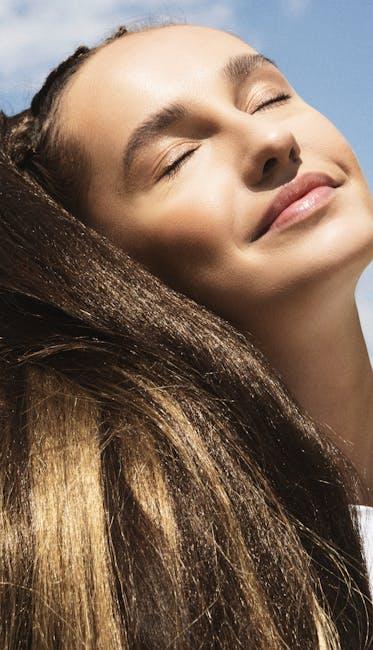
Can Fasting Cause Hair Loss? It’s a question that sparks curiosity and concern for many, especially those embarking on the latest health trend or spiritual journey. Fasting has been practiced for centuries in various cultures, but as we turn to the wellness world, it’s so important to understand the effects that this practice can have on our bodies, especially our luscious locks. In this article, we’ll delve into the fascinating connection between fasting and hair loss, exploring the causes, effects, and ways to minimize any potential damage. So, grab that iced coffee, sit back, and let’s dive into the world of fasting and hair health!
The Science Behind Fasting and Hair Loss
Fasting is essentially a voluntary refusal of food and drink for a specified period. While many people turn to fasting for its numerous health benefits, including weight loss, improved mental clarity, and detoxification, there can be some downsides. One such downside that has been thrown into the spotlight is the potential for hair loss. Understanding how fasting can affect hair health requires some insight into the hair growth cycle and the body’s nutritional needs.
Nutritional Deficiencies During Fasting
When people fast, particularly for extended periods, they may inadvertently deprive their bodies of essential nutrients. The hair is a living structure that relies on a plethora of vitamins and minerals to thrive. Here are some key nutrients that our hair loves:
- Proteins: Hair is primarily made of a protein called keratin. Lack of protein can lead to hair becoming brittle and falling out.
- Iron: Crucial for oxygen transport to hair follicles. Low iron levels can cause anemia, leading to hair shedding.
- Vitamin D: Plays an important role in the hair growth cycle. Insufficient levels can contribute to hair thinning.
- Omega-3 Fatty Acids: Essential for scalp health and providing hydration to prevent dryness.
- Zinc: Vital for tissue growth and repair. Low levels can lead to hair loss.
Fasting can severely limit intake of these vital nutrients, especially when done improperly or without planning. With this in mind, let’s explore how to combat hair loss during and after fasting.
Understanding the Hair Growth Cycle
Before we dive into remedies, let’s chat briefly about how hair grows. The hair growth cycle consists of three phases:
- Anagen Phase: The growth phase where hair follicles actively produce hair. This phase can last several years.
- Catagen Phase: The transitional phase lasting a few weeks where hair growth slows down.
- Telogen Phase: The resting phase when hair follicles are inactive; hair can fall out at this stage.
Fasting has the potential to disrupt this cycle. If a significant amount of time is spent in the Telogen Phase, one may experience something called telogen effluvium, a temporary form of hair loss that occurs due to stress or significant changes in diet.
Fasting Types and Their Impact on Hair Health
Different types of fasting can have varying effects on the body and ultimately, your hair. Let’s break down a few popular types of fasting:
- Intermittent Fasting: This approach alternates between eating and fasting periods. If balanced correctly with nutritious meals, it typically has a minimal impact on hair.
- Prolonged Fasting: Generally extending beyond 24 hours, this type can lead to significant nutrient depletion, risking hair health. Can fasting cause hair loss in this scenario? Absolutely, as vital nutrients can run low.
- Water Fasting: This method involves only consuming water. Prolonged periods without food can be detrimental to not only hair but also your overall health.
- Bone Broth Fasting: Some women swear by this! It provides nutrients while the body undergoes a fasting-like state, leading to less risk of hair loss.
Minimizing Hair Loss While Fasting
So, what can one do to keep their hair healthy whilst going through fasting? Here are a few tips to love your hair even more:
- Stay Hydrated: Drink plenty of water! Hydration plays a role in maintaining your hair’s health and sheen.
- Nourish Wisely: During eating periods, focus on nutrient-dense foods rich in protein, vitamins, and minerals. Think salmon, leafy greens, nuts, and eggs!
- Consider Supplements: Depending on the extent of your fasting, a multivitamin or hair-specific supplement containing biotin, iron, and omega-3s might be beneficial. Always consult with a healthcare provider.
- Limit Stress: Stress can exacerbate hair loss. Incorporating stress-relief practices like meditation or yoga during fasting can help maintain a healthy hair environment.
- Check Your Hormones: Sometimes, fasting can temporarily alter hormonal balances in women, affecting hair health. Regular check-ups with your doctor can be quite helpful.
How Long Does Hair Loss Last After Fasting?
Hair loss due to fasting generally doesn’t last forever. Once a balanced diet is reintroduced, hair usually begins to grow back within several months. This is absolutely fabulous news for those concerned about temporary thinning!
While there are many personal stories about how fasting led to unexpected hair loss, each person’s body responds differently. It’s essential to listen to your body and be mindful of how you feel throughout the process of fasting.
Additional Considerations for Hair Care
While fasting and hair health may seem like an odd pairing, self-care is an absolute must. Make sure to pamper those tresses! Here are some adorable and effective tips:
- Gentle Wash: Use a sulfate-free shampoo and avoid harsh chemicals that can dry out strands.
- Condition, Condition, Condition: Choose nourishing conditioners and hair masks that provide hydration and repair damage.
- Be Kind with Heat: If using heat tools, always apply a heat protectant. It’s a hair’s best friend!
Conclusion
In the quest for health and wellness, one must step carefully, mindful of how choices affect overall well-being—including our beautiful hair. Can fasting cause hair loss? Yes, but with the right approach, you can avoid potential pitfalls while enjoying your fasting journey. It’s all about balance, love, and some fabulous self-care. As the saying goes, “Healthy hair is happy hair!” So let’s nourish our bodies and celebrate every strand!
For further reading, you can check out this fabulous resource on the effects of dieting and hair loss at Healthline, and dive deeper into nutrient needs for hair health at NCBI.
Stay fabulous, and may your hair shine bright, no matter your fasting journey!