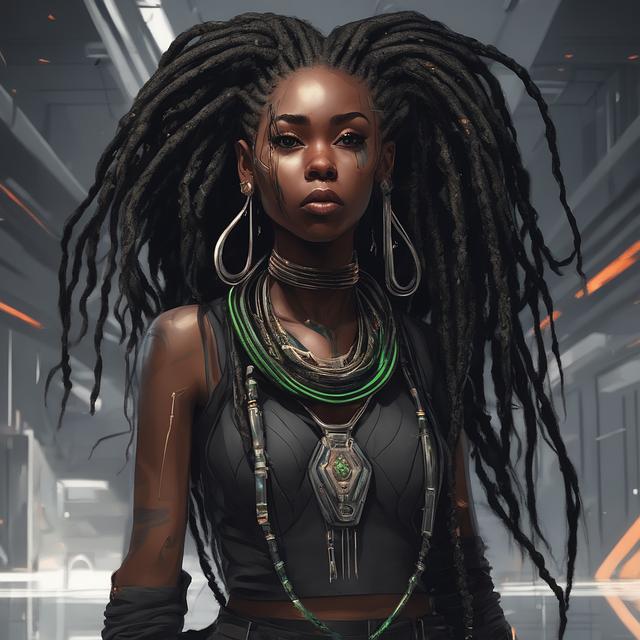
Can Dreadlocks Cause Hair Loss? This is a question that swirls in the minds of many beauty enthusiasts and dreadlock wearers alike. The allure of dreadlocks is undeniable—they’re chic, expressive, and oh-so-unique! But as hair health becomes a hot topic, it’s essential to dive into this intricate question: can those fabulous locked strands lead to hair loss? Let’s untangle the complexities behind dreadlocks and hair loss!
Understanding Dreadlocks and Hair Mechanics
When exploring the question of whether dreadlocks cause hair loss, it’s vital to first understand what dreadlocks are and how they interact with scalp health. Dreadlocks are created by matting and twisting hair together to form rope-like strands. They can be a fabulous form of expression and style!
But let’s break down the science of it all. Hair loss isn’t just a simple matter of style choice; it often involves intricate mechanisms including genetics, hair care practices, and overall scalp health. Here’s a quick look at how dreadlocks interact with these factors:
- Weight of Dreadlocks: Dreadlocks can become relatively heavy compared to loose hair. This added weight can pull on the scalp and may result in a condition called traction alopecia, where the hair follicles are stressed from constant pulling.
- Hygiene Practices: Dreadlocks require specific care routines, and improper techniques can lead to a buildup of dead skin cells and oils. This might cause follicle blockage and skin irritation, potentially leading to hair loss.
Signs of Potential Hair Damage from Dreadlocks
Understanding whether dreadlocks cause hair loss also involves recognizing the signs that your luscious locks may be under distress. Here are several symptoms to watch out for:
- Thinning Edges: If you notice your hairline becoming sparse or receding, it might indicate traction from the weight of your dreadlocks.
- Bumps or Irritation on the Scalp: This could suggest an unhealthy buildup or irritation leading to follicle damage.
- Excessive Shedding: A small amount of hair loss is normal, but if your shed strands seem to be more than usual, it’s time to reassess your styling routine.
- Sensitivity or Soreness: Pain upon touching the scalp can indicate stress on the follicles, signaling a need for change.
Proper Maintenance of Dreadlocks to Prevent Hair Loss
Maintaining dreadlocks is an art! It requires the right balance of care and styling to prevent potential hair loss. Here are several tips for optimal dreadlock management:
- Regular Cleaning: Clean your scalp regularly to prevent oil buildup. Use gentle, residue-free shampoos. They help remove impurities without harming your locks.
- Avoid Tight Styles: Opt for looser styles to minimize tension on the scalp. Tight dreadlocks can promote traction alopecia, so a little looseness goes a long way!
- Moisturize with Care: Keeping the scalp and hair well-moisturized can help maintain healthy hair follicles. Look for light oils that won’t weigh down or clog pores.
- Seek Professional Help: Getting maintenance from experienced stylists can help prevent damage. They know the best techniques to manage and style your locks.
The Role of Genetics in Hair Loss
While dreadlocks can pose risks for hair loss, it’s important to remember that genetics also play a major role in hair health. Many people are predisposed to hair loss due to hereditary factors. Here are some genetic influences on hair loss:
- Androgenetic Alopecia: Commonly known as male-pattern or female-pattern baldness, this condition affects individuals with a genetic predisposition regardless of hairstyle.
- Family History of Hair Loss: If there’s a history of hair loss in the family, individuals may be more prone to experiencing it themselves, regardless of whether they wear dreadlocks.
It’s essential to differentiate between hair loss caused by external factors related to styling and that which may be genetically determined.
Dreadlocks and Cultural Significance
Let’s take a moment to appreciate the cultural significance of dreadlocks! They represent a deep connection to heritage and identity for many. Their rich history is linked to various cultures worldwide, often symbolizing faith, strength, and resilience. As such, understanding how to care for them goes beyond aesthetics—it’s about preserving one’s cultural identity while ensuring hair health.
Conclusion: The Balance of Dreadlocks and Hair Health
Navigating the question of can dreadlocks cause hair loss involves understanding hair health, styling techniques, genetics, and personal hair care. While dreadlocks can lead to some concerns, proper maintenance and awareness can help mitigate potential hair loss.
dreadlocks don’t have to equal hair loss, but attention to maintenance is key! Below is a quick reference guide to help you remember your dreaddie care routine!
| Key Tip | Description |
| Regular Cleaning | Keep locks clean with residue-free shampoo. |
| Avoid Tight Styles | Choose looser styles to reduce tension on the scalp. |
| Moisturize | Keep hair and scalp hydrated with light oils. |
| Professional Help | Seek expert advice for styling and maintenance. |
Ultimately, caring for your lovely locks is all about balance! Embrace the beauty of your dreadlocks while ensuring they remain healthy and vibrant! After all, who says you can’t have fabulous hair and keep your scalp happy too? 💖