Can Dhea Cause Hair Loss? Let’s Dive In!
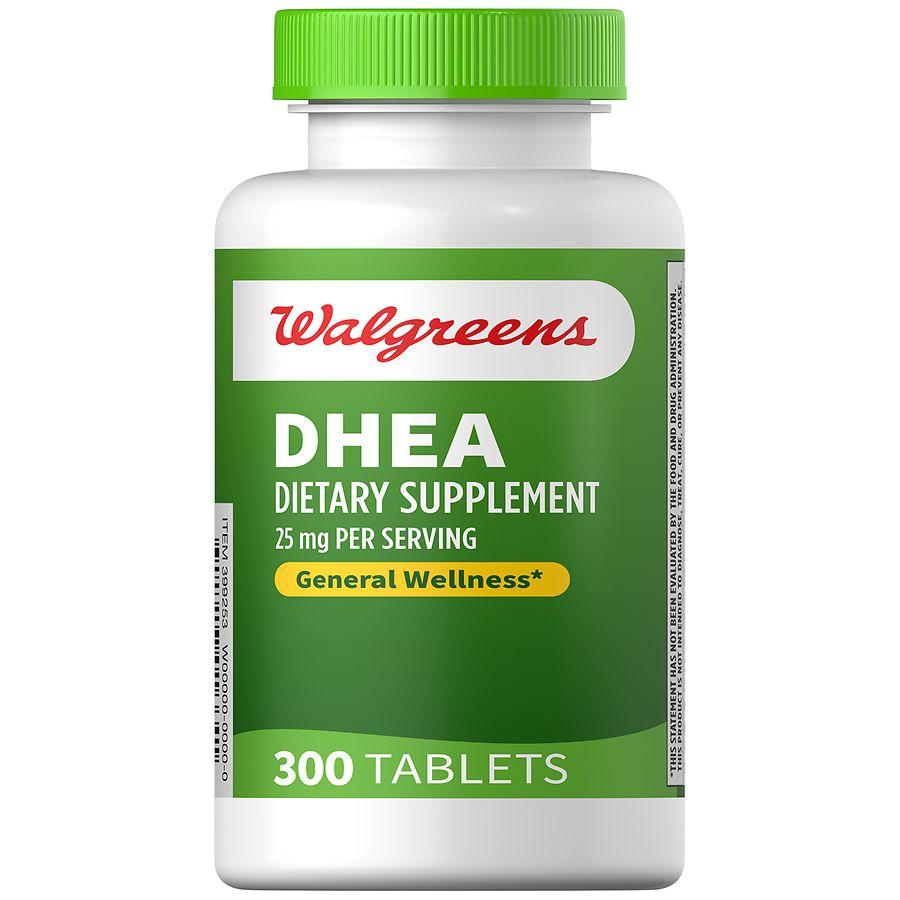
Dhea, or Dehydroepiandrosterone, is a hormone that sometimes feels like a best-kept secret in the world of wellness and beauty. While many people are exploring the potential benefits of Dhea, there are some questionable rumors floating around, and one of the most pressing questions is: Can Dhea cause hair loss? This is a real concern for many individuals looking to maintain their fabulous locks. Let’s unravel this fascinating topic together!
Understanding Dhea and Its Role in the Body
Dhea is essentially a steroid hormone produced by the adrenal glands. It’s like that friend in your circle who knows everyone and gives a little boost to your social life. Dhea serves as a precursor to male and female sex hormones, including testosterone and estrogen. As we age, our bodies produce less Dhea, especially after reaching our 30s.
The Benefits of Dhea
Before we jump into the hair loss debate, let’s sprinkle in some of the perks of Dhea:
- Hormonal Balance: Maintaining healthy levels of Dhea can contribute to overall hormonal balance, which is essential for well-being.
- Energy Boost: Many report feeling more energetic after taking Dhea supplements. Who doesn’t want a little extra zest in their day?
- Mood Enhancement: There are studies that suggest Dhea may help elevate mood and reduce feelings of stress. Talk about a win-win!
Now, you might be wondering how this fabulous hormone does its job and why it’s causing some folks to panic about their precious hair.
Exploring the Connection Between Dhea and Hair Loss
So, can Dhea cause hair loss? The short answer is: it depends. In most cases, Dhea is not directly linked to hair loss. However, the key here is that higher levels of Dhea can lead to increased production of testosterone, and that’s where things can get a bit hairy (literally!).
The Role of Testosterone in Hair Health
Testosterone is vital for a number of bodily functions, but its relationship with hair is a bit of a mixed bag. Here’s what you need to know:
- Androgenic Alopecia: Elevated levels of testosterone can lead to androgenic alopecia, also known as male pattern baldness or female pattern hair loss. This type of hair loss is hereditary and often related to hormonal changes.
- Balancing Act: If you are taking Dhea supplements without proper guidance, it can lead to the body overproducing testosterone, which might prompt hair thinning over time. It’s essential to maintain a balance.
What Happens When You Overdo Dhea?
When it comes to Dhea supplementation, moderation is key, darling. Here are some consequences of excessive Dhea intake:
- Hormonal Imbalance: Too much Dhea can throw your hormones out of whack, leading to various issues, including hair loss.
- Acne and Oily Skin: Just like a teenager, an uptick in testosterone can lead to breakouts and oiliness, which may not be the glow-up you’re looking for.
- Changes in Mood: Fluctuations in hormone levels can also impact mood, making you feel like you’re riding an emotional rollercoaster.
If you’re considering taking Dhea, it’s always best to consult with a healthcare provider for personalized advice and to monitor hormone levels.
The Science Behind Dhea, Hair Loss, and Hormonal Fluctuations
To truly understand can Dhea cause hair loss? we have to dig into the science that links these factors. It’s all about hormones, so let’s break it down.
Hormonal Changes Across the Lifecycle
- Puberty: This is when your hormones kick into high gear. Both males and females experience a surge in Dhea, which can affect hair growth.
- Pregnancy and Menopause: Women can see fluctuations in Dhea levels during pregnancy and menopause, potentially leading to temporary hair thinning or shedding.
- Aging: As we age, natural Dhea production declines, which might result in changes in hair density and texture. The hair might not fall out, but it can become finer and more fragile.
A Deeper Dive into Androgens
Androgens, derived from Dhea, are pivotal in hair health. Here’s a quick breakdown of how they interact:
- Dihydrotestosterone (DHT): It’s a potent androgen linked to hair loss. DHEA can convert into DHT, which is why a portion of individuals may notice thinning hair as DHEA levels increase.
- Hair Follicle Sensitivity: Some people’s hair follicles are more sensitive to DHT than others, which can exacerbate the effects of Dhea intake on hair.
Key Takeaway: It’s crucial to monitor how your body reacts to Dhea supplementation if you have a family history of hair loss or are experiencing any changes in your hair.
Considering the Right Dosage of Dhea
Finding the perfect dose of Dhea is critical. Here’s a helpful table outlining typical dosages and recommendations.
| Age Group | Typical Dosage | Considerations |
| 18-30 | 25-50 mg/day | Consult healthcare provider |
| 30-50 | 50-100 mg/day | Monitor hormone levels |
| 50+ | 75-150 mg/day | Focus on balance |
While these dosages are a great starting point, always listen to your body. Each person’s needs can vary significantly based on their overall health, hormonal levels, and lifestyle.
Potential Alternatives to Dhea for Hair Health
If you’re worried about can Dhea cause hair loss? but still want to explore ways to maintain a stunning mane, there are several alternatives and practices to consider:
Natural Supplements and Remedies
- Biotin: A vitamin known for its positive effects on hair growth and thickness.
- Saw Palmetto: This herbal remedy may help block DHT, potentially reducing the risk of hair loss.
- Zinc and Iron: Low levels of these minerals can contribute to hair loss; ensuring adequate intake can support hair health.
Hair Care Practices
- Gentle Cleansing: Use a sulfate-free shampoo that won’t strip your hair of its natural oils.
- Regular Trims: Regular haircuts can help reduce breakage and split ends.
- Scalp Health: Massaging the scalp with essential oils can promote blood circulation and potentially stimulate hair growth.
Embarking on a hair care journey can feel overwhelming, but focusing on nourishment and love for your hair is always the best strategy.
Monitoring and Managing Hair Loss
If hair loss is a concern while taking Dhea or any supplements, keeping a close eye on changes is essential. Here are some tips to help you navigate:
- Document Changes: Keep a journal of any changes you notice in your hair after starting Dhea. It can help determine if it’s the Dhea or other factors at play (like stress or seasonal changes).
- Consult Experts: A dermatologist can provide insights into hair loss patterns and suggest personalized strategies for maintaining healthy hair.
- Stay Educated: Research and stay informed about the supplements you take and their potential side effects. Knowledge is power!
Conclusion
can Dhea cause hair loss? While it’s not a direct cause for everyone, the hormonal shifts it induces can lead to hair thinning, especially in sensitive individuals. It’s essential to approach Dhea supplementation thoughtfully and with a healthcare professional’s guidance. Balancing your hormones and considering alternative remedies can help you maintain your luscious locks while enjoying the benefits Dhea may provide.
For more detailed information on Dhea and its effects, visit reputable sources like National Institutes of Health and Mayo Clinic. Remember, every hair on your head deserves love and care, just like you!