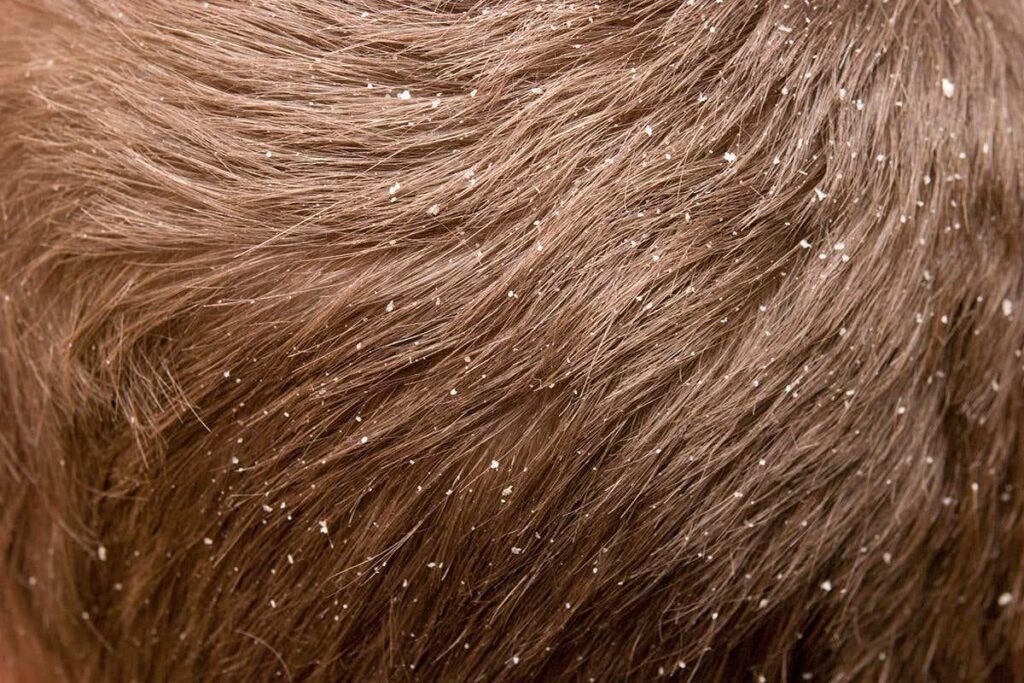

Can Dandruff Lead To Hair Loss? Oh darling, you’re definitely not alone in this hair-raising dilemma! Dandruff is that pesky, flaky friend we never invited to the scalp party. It’s annoying, a little embarrassing, and can sometimes seem like it’s turning our luscious locks into a field of straw. But can this sneaky little foe actually lead to hair loss? Let’s dive into the details and uncover the mysteries of this flaky situation, shall we?
The Link Between Dandruff and Hair Loss
Dandruff is often dismissed as merely a cosmetic issue, but it can have deeper implications. When thinking about the question, “Can Dandruff Lead To Hair Loss?” it’s essential to understand the biological processes involved in both dandruff and hair loss.
What Exactly Is Dandruff?
Dandruff is primarily characterized by the shedding of dead skin cells from the scalp, a condition medically referred to as seborrheic dermatitis. This condition occurs when our scalp’s natural oils are produced excessively or insufficiently, leading to flaky skin and itchiness. Oh la la! Talk about a track starring those unsightly flakes!
How Do We Get Dandruff?
Several factors can contribute to dandruff woes:
- Dry Skin: When the weather gets chilly and our indoor heating kicks up, the scalp can become dry which leads to that infamous flake fest.
- Oily Skin: With a too-oily scalp, those skin cells can build up and peel away more drastically, also known as an oil slick disaster on our heads.
- Malassezia: This little fungus lives on our scalp and can multiply under certain conditions, triggering a cascade of irritation and flaking.
- Stress and Hormones: Since we all love a little drama in life, stress can elevate our oil production and trigger dandruff.
Now, let’s address the big question: can all this flakiness actually lead to losing those precious strands?
The Mechanisms of Hair Loss
Hair loss itself can have extensive causes, ranging from genetic factors to medical conditions like alopecia. It’s vital to explore how this connects to dandruff and its underlying conditions.
Inflammation and Hair Follicles
When we shake our fists at dandruff, we are often facing inflammation. Chronic dandruff can cause our scalp to become inflamed, leading to potential setbacks in healthy hair follicles. When hair follicles are inflamed, they struggle to grow hair, which can lead to thinning strands and, in severe cases, patchy hair loss.
Itchy Scalp and Scratching
We’ve all been there, right? The temptation to scratch that itchy scalp is real, and oh-so-tempting! But scratching can lead to further irritation and even scarring on the scalp, making it tougher for hair to thrive. So, every time you get that overwhelming itch, imagine your hair is sending you a “please don’t” message!
Types of Hair Loss Associated With Dandruff
Different types of hair loss can be linked back to that dreadful dandruff scenario. Here’s a bit of a breakdown:
Alopecia Areata
This condition is where the immune system attacks hair follicles, resulting in hair loss. While the direct link to dandruff is still under research, dandruff-related inflammation could potentially trigger this autoimmune response.
Traction Alopecia
This hair loss type can occur when styles that cause excessive tension on the hair (think braids, ponytails) are often coupled with a dandruff-prone scalp. The stress of both elements can lead to hair breakage, making it seem like it’s disappearing faster than your last bottle of champagne!
Telogen Effluvium
This is a temporary condition leading to hair shedding, often caused by stress or shock to the system. Flaky scalp drama can certainly contribute as ongoing stress due to persistent itching and flaking can send the hair into a shedding spiral.
Managing Dandruff to Prevent Hair Loss
Panic no more! While dandruff may feel like the end of your hair dreams, managing this condition can be quite enchanting. Here are some lovely tips to keep your scalp fresh and your hair intact:
- Use Anti-Dandruff Shampoos: Look for shampoos with ingredients like zinc pyrithione, salicylic acid, or ketoconazole. They work wonders in managing those flakes.
- Stay Hydrated: Water is your bestie! Hydration keeps both your skin and scalp happy.
- Healthy Diet: Eating foods rich in omega-3s (think avocados and salmon) can contribute to healthier scalps and luscious locks. Yum!
- Stress Management: Yoga, meditation, or binge-watching your favorite rom-coms can help alleviate stress levels, contributing to a happier scalp.
Professional Treatments for Dandruff
When at-home remedies aren’t cutting it (and trust us, we’ve all been in that flake-fueled boat), it may be time to schedule a session with a consultant or trichologist. They can provide personalized treatments that can work wonders.
From specialized medicated shampoos to therapeutic procedures, there’s a world of options out there. Just remember, beautiful—taking your scalp health seriously can play a colossal role in keeping your hair feeling like a million bucks!
Conclusion on Dandruff and Hair Loss
So, darling, after this fabulous flake-filled escapade, it’s clear that while dandruff can lead to hair loss, it’s usually through indirect channels. Keeping dandruff at bay can help prevent any subsequent hair loss issues. With the right approach, a captain will sail the ship of scalp-care toward glorious, flake-free shores!
Your luscious hair deserves love, attention, and that extra sprinkle of self-care! Embrace your journey toward a healthy scalp, and you just might find that the world of hair is a much happier place! 🌸✨