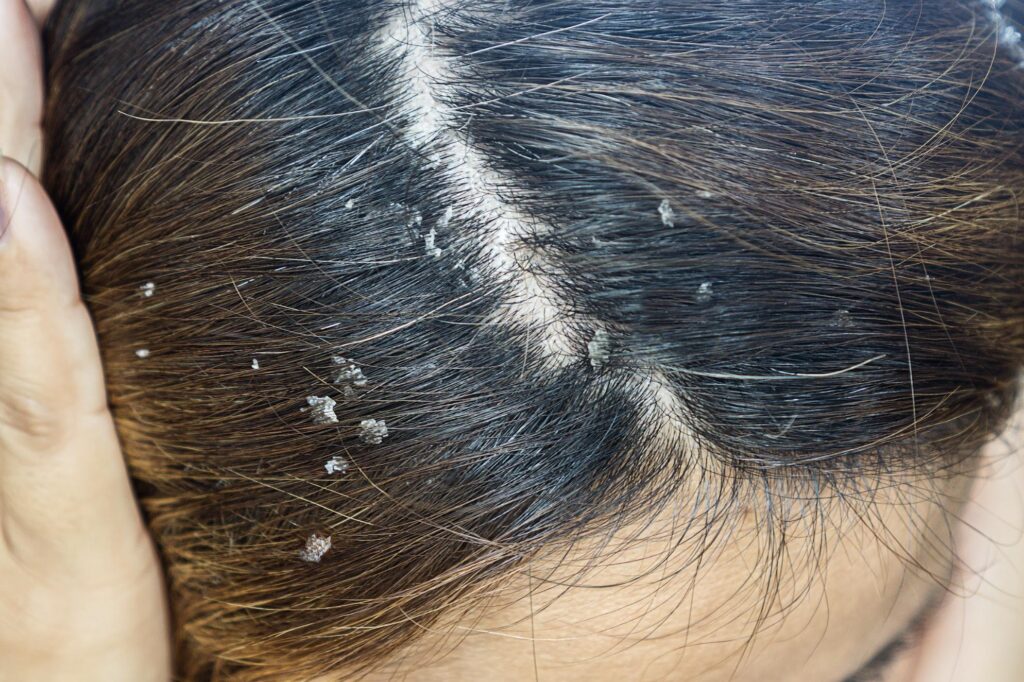
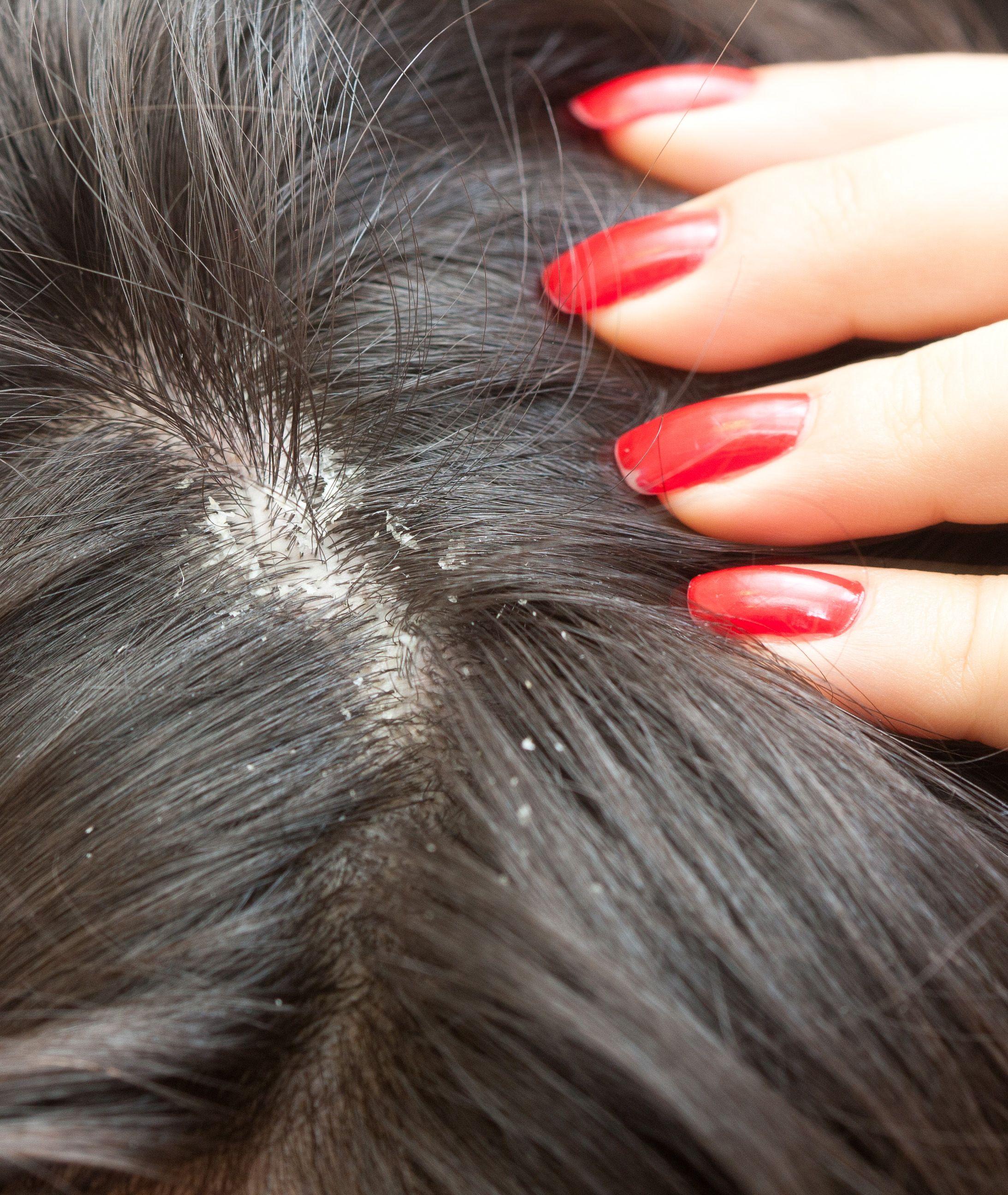
Can Dandruff Cause Hair Loss? Let’s dive into this hair-raising topic that often leaves many of us scratching our heads—literally! Dandruff, those pesky white flakes that seem to pop up at the most inopportune moments, is a common scalp condition. But do they have a role in hair loss? Spoiler alert: yes, they do, but the relationship is a bit more complicated than it might seem. So, grab your favorite beverage, cozy up, and let’s unravel the mystery.
Understanding Dandruff and Its Causes
Dandruff, known medically as seborrheic dermatitis, refers to the shedding of dead skin cells from your scalp. While it’s not harmful, it can be embarrassing and irritating. Here’s a closer look at what causes dandruff:
- Oily Scalp: Excess oil production can lead to dandruff as the skin gets irritated. This irritation causes an increase in cell turnover, resulting in those annoying flakes.
- Dry Skin: On the flip side, a dry scalp can also lead to dandruff. A lack of moisture can cause skin to flake off more easily, leading to visible dandruff.
- Skin Conditions: Conditions like psoriasis or eczema can result in dandruff-like symptoms. If you’ve ever dealt with these, you might know exactly what we’re talking about.
- Yeast Overgrowth: Our scalp is home to various microorganisms, including Malassezia, a type of yeast. When this yeast grows out of control, it can lead to scalp irritation and dandruff.
- Diet: Believe it or not, what you eat could affect your scalp health. Diets lacking in essential fatty acids, zinc, and certain vitamins may contribute to dandruff.
- Stress: High-stress levels can lead to increased oil production, or it might exacerbate existing skin conditions, resulting in more visible flakes.
The Connection Between Dandruff and Hair Loss
So, can dandruff cause hair loss? The short answer is yes, but let’s get into the nitty-gritty of why that’s the case.
Inflammation Triggers Follicle Damage
When you have dandruff, your skin is often inflamed. Chronic inflammation on the scalp can weaken hair follicles over time, leading to hair thinning or shedding. Think of it like a couple of overly aggressive hair gremlins raiding your scalp, making it a hostile environment for healthy hair growth.
Scratching Leads to Hair Breakage
Dandruff can be itchy, and that’s no fun at all! When you succumb to the irresistible urge to scratch, you may inadvertently damage your hair. Frequent scratching can weaken the hair shaft, leading to breakage and an overall thinner appearance.
Underlying Conditions May Fuel Both Issues
In some cases, seborrheic dermatitis or other scalp conditions might not only cause dandruff but also contribute to hair loss due to compromised hair follicle health. This is particularly true for people with autoimmune conditions as they may experience more severe skin reactions that can affect hair.
When to Seek Professional Help
If you’ve been battling dandruff while also noticing your hair isn’t as luscious as it used to be, it might be time to give your dermatologist a call. Here are some signs that you should seek professional advice:
- Persistent dandruff that doesn’t improve with over-the-counter treatments.
- Redness, swelling, or bleeding on your scalp.
- Noticeable hair thinning or bald spots.
Effective Treatments for Dandruff and Hair Loss
Lucky for us, there are effective treatments available! Here’s a delightful little list of options to combat those pesky flakes:
- Medicated Shampoos: Look for ingredients like ketoconazole, selenium sulfide, or zinc pyrithione. These ingredients can help reduce fungal growth and soothe the scalp.
- Exfoliating Scrubs: Sometimes, a good scrub is all you need! Exfoliating treatments can help remove dead skin cells and keep the scalp healthy.
- Lifestyle Changes: Incorporate a balanced diet rich in omega-3s, zinc, and vitamins that support skin health. Your hair and scalp will thank you!
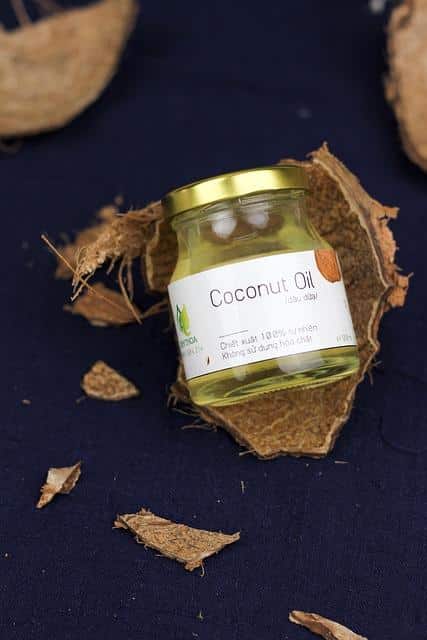
- Scalp Treatments: Consider using natural oils like coconut oil or tea tree oil, which can be soothing and anti-fungal.
- Stress Management: Incorporating calming practices like yoga, meditation, or indulging in a bubble bath can help keep stress levels at bay.
Natural Remedies for Dandruff and Hair Loss
If you’re a fan of DIY solutions, there are natural remedies to help combat dandruff and support healthy hair growth. Here are some fun options:
- Apple Cider Vinegar Rinse: Mix equal parts of water and apple cider vinegar. Use this mixture as a rinse after shampooing to help balance the scalp’s pH and reduce flakes.
- Aloe Vera Gel: Known for its soothing properties, aloe vera can hydrate the scalp and reduce irritation.
- Tea Tree Oil: This magical oil has anti-fungal properties. Just add a few drops to your shampoo!
- Honey and Lemon Mask: Mix honey and lemon juice and apply it to your scalp for about 30 minutes before rinsing. This combo can help soothe irritation and moisturize.
The Importance of Hair Care Routine
Having a proper hair care routine can keep your scalp and hair healthy. Here are some key elements to consider:
- Regular Washing: Find a shampoo that suits your scalp condition and wash your hair regularly to prevent buildup.
- Hydration: Always follow up with conditioner and consider using leave-in treatments for added moisture.
- Gentle Styling: Limit the use of heat tools and harsh chemicals to prevent further irritation to your scalp and hair.
- Scalp Massages: Indulging in a gentle scalp massage can enhance blood circulation and promote healthier hair follicles.
Conclusion: The Ongoing Battle of Dandruff and Hair Health
So, can dandruff cause hair loss? Absolutely! The relationship is complex, but managing dandruff effectively can promote healthier hair and prevent unnecessary shedding. If you’re dealing with stubborn flakes and thinning locks, don’t hesitate to explore both over-the-counter treatments and consult with a dermatologist. Remember, taking care of your scalp is just as vital as caring for your strands. With a little love, patience, and the right products, you can wave goodbye to both dandruff and hair loss and say hello to a vibrant, flake-free mane!
Embrace your hair journey and make sure to equip yourself with the best knowledge and practices to keep those locks looking fabulous! Don’t forget to check out American Academy of Dermatology for more in-depth information, and always be your own hair superhero!