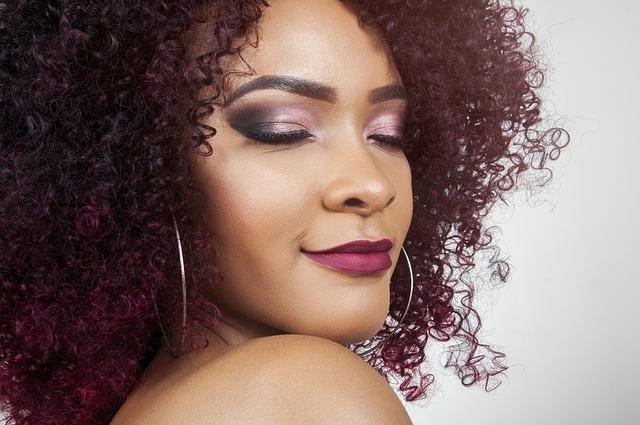
Curly hair can be such a fabulous adventure, full of twists, turns, and sometimes unexpected challenges! One quirky question that often arises is “Can curly hair get lice?” With all the fabulous curls bouncing around, it’s understandable to want to keep those locks lice-free. The truth is, anyone can get lice, regardless of their hair type. Lice don’t discriminate between straight, wavy, or curly hair! In this article, we’re diving deep into the relationship between curly hair and lice. We’ll explore how these little critters manage to populate some heads while skipping others, ways to prevent infestations, and how best to deal with them if they do invade. Let’s chat about everything you need to know!
Understanding Lice: The Basics
What Are Lice?
Lice are small, wingless insects that inhabit the human scalp and feed on blood. They are a common nuisance and can be especially tricky for parents to deal with when kids come home with an itch. Lice can come in different forms:
- Head lice: They live on the scalp and are the most common type among children.
- Body lice: They live on clothing and are less common, usually seen in unsanitary conditions.
- Pubic lice: Often referred to as “crabs,” these lice live in the pubic hair area.
It’s crucial to understand that lice thrive in hair, but they do not prefer a specific hair type. So yes, curly hair can get lice!
How Do Lice Spread?
Lice spread primarily through direct head-to-head contact, which is why children are often at risk during playtimes or sleepovers. They can also hitch a ride on shared items like hairbrushes, hats, or even pillows. Head lice are generally not associated with unclean hair, so don’t fret if you have those glorious curls!
The Relationship Between Curly Hair and Lice
Do Lice Prefer Curly Hair?
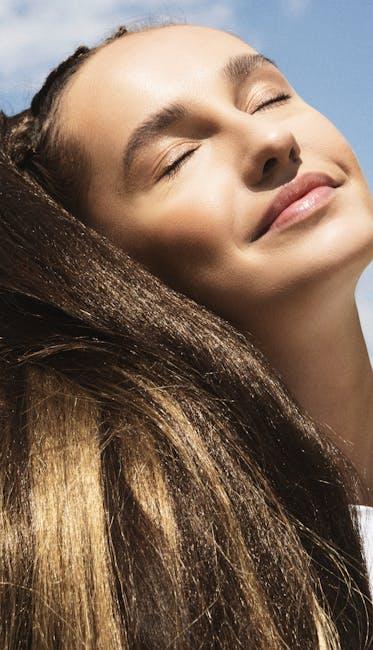
Lice don’t discriminate based on hair texture. Whether your hair is as straight as a board or bouncy and curly, lice will find a way to settle in. However, there are some interesting dynamics when it comes to curly hair:
- Tighter curls may provide a more challenging environment for lice: The twists and turns can make it a bit harder for lice to move around and lay eggs. But let’s be real, they can still manage!
- Lice can hide in the curls: Those luscious locks can provide great hiding spots for lice and their eggs (nits), so it might be harder to spot an infestation right away.
The Importance of Regular Checks
Regardless of hair type, it’s essential to check for lice regularly, especially after known outbreaks at school or daycare. Keeping an eye out for symptoms such as constant itching, red spots on the scalp, or visible lice themselves can help catch any problems early.
Prevention Tips for Curly Hair
Keeping Your Curls Safe
Here are a few fun and fabulous tips to reduce the risk of lice infestations in curly hair:
- Avoid sharing hair accessories: Hairbrushes, hats, and hair ties can easily transfer lice, so keep those beauties to yourself!
- Regular hair washing: While lice aren’t attracted to dirty hair, keeping your curls clean can prevent other scalp issues. Use a gentle shampoo that works for your hair type.
- Styles that minimize lice transmission: Pulling hair back into a bun or ponytail can minimize the chances of lice spreading, especially during activities like sleepovers or team sports.
Educational Awareness
It’s also essential to educate yourself and your family about lice. Discussions about lice prevention can help foster awareness, particularly among children. Teach them to avoid close contact with others and to keep personal items private.
Treatment Options for Curly Hair Infestations
Spotting The Signs
If you suspect you or your child might have lice, look for the following signs:
- Frequent scratching of the scalp
- The presence of lice or nits near the scalp
- Irritation or redness on the scalp
Over-the-Counter Treatments
If an infestation occurs, there are several effective treatment options available:
| Treatment Type | Description | Usage Guidelines |
|———————-|————————————————————–|—————————————–|
| Pediculicides | Shampoos or lotions designed to kill lice (e.g., permethrin) | Apply according to package instructions; ensure full coverage on hair and scalp. |
| Natural Remedies | Oils like tea tree or neem oil can deter lice | Mix into regular shampoo or apply as directed for prevention. |
| Manual Removal | Using a fine-toothed comb to remove lice and nits | Comb through wet, conditioned hair. Do it in sections for effectiveness. |
After Treatment Care
After treating lice, remember to wash all personal items, including hats, pillows, and bedding, in hot water to ensure any remaining nits are eliminated. Vacuuming carpets and furniture can also reduce the risk of re-infestation.
The Emotional Side of Dealing with Lice
Coping with the Situation
Finding out you or your child has lice can be overwhelming. Remember, lice are common, and with a bit of information and the right treatment, they can be eradicated! Stay positive, and don’t be afraid to lean on friends or family for support if the situation feels heavy.
Empowering Your Kids
Sometimes the stigma surrounding lice can put a damper on a kid’s confidence. It’s vital to teach children that having lice does not mean they are dirty or unclean – these little critters just don’t care where they go! Encouraging a positive, light-hearted response can ease anxiety around these pesky pests.
Conclusion: Curly Hair and Lice Can Coexist
To wrap things up, the answer to the big question “Can curly hair get lice?” is a definitive yes! Lice can find a home in any head of hair, whether it’s straight, wavy, or fabulously curly. By being proactive and keeping an eye on those luscious locks, you can minimize the risk of lice. Remember, regular checks, a few prevention strategies, and knowing how to treat lice when they do strike is key. Keeping that curly crown free from these tiny intruders will let you keep shining bright and frizz-free!
For more information on lice and effective treatments, check out these reliable sources: CDC on Head Lice and American Academy of Dermatology Association.