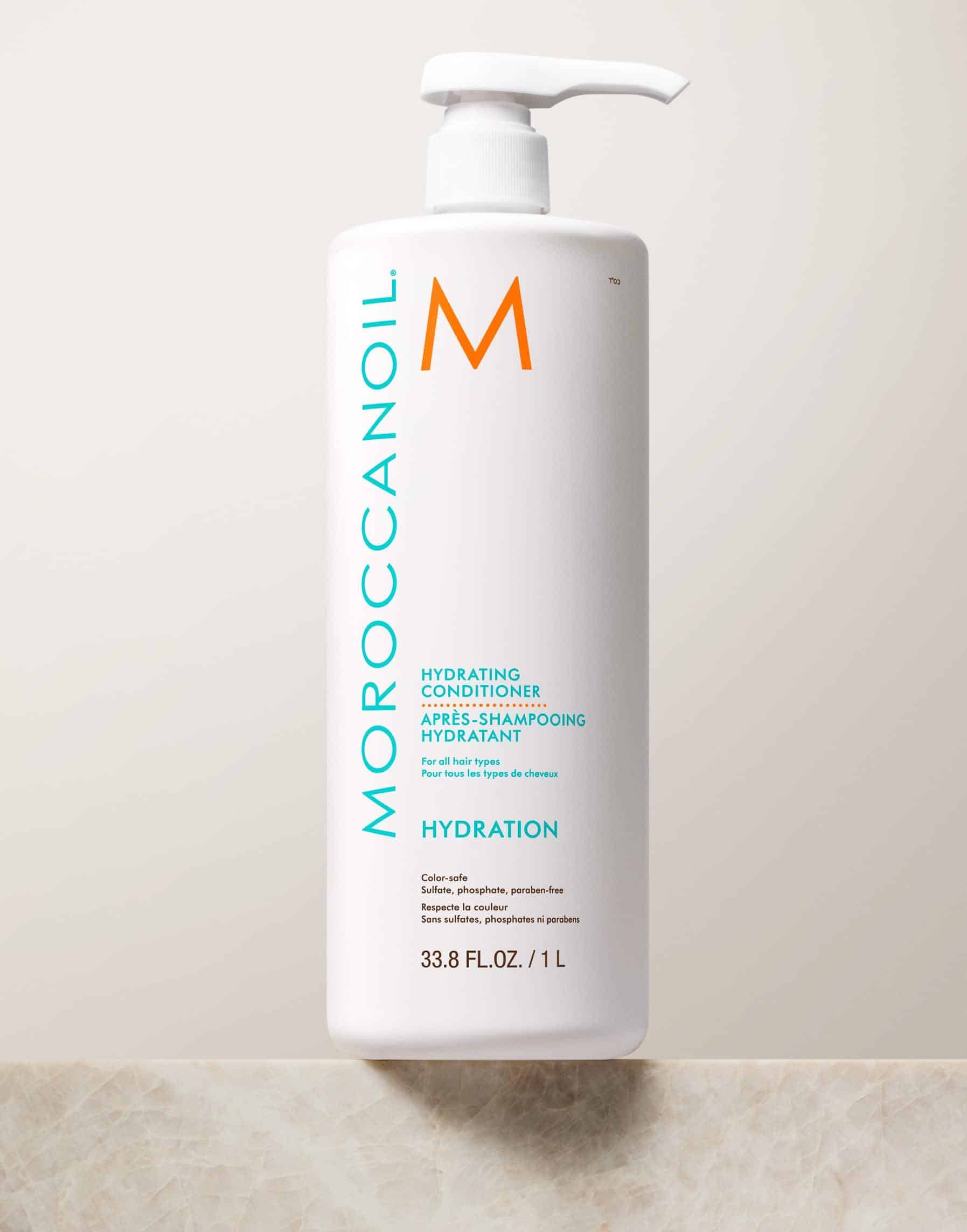
Can Conditioner Make Your Hair Greasy? The Secret Behind Silky Locks
Conditioner is a beauty staple in many women’s hair care routines, but it often raises the question, “Can conditioner make your hair greasy?” The delicate balance between smooth, flowing locks and that unwanted oily appearance can be tricky. This article explores the relationship between conditioner and greasy hair, diving into the science of how conditioners work, factors that affect greasiness, and the best practices for using conditioner to keep your hair fabulous.
Understanding Conditioner and Its Purpose
Conditioners are designed to provide moisture and nourishment to the hair, promoting softness and manageability. They contain a blend of ingredients like fatty alcohols, silicones, and natural oils that work together to smooth and detangle hair.
Types of Conditioners
Different types of conditioners serve varying needs, and understanding these can help you select the best one for your hair type. Here’s a quick breakdown:
| Type of Conditioner | Description |
|———————-|———————————————–|
| Rinse-Out | Standard conditioner used after shampooing; rinsed off after a few minutes. |
| Leave-In | Designed to stay in the hair for increased moisture and protection throughout the day. |
| Deep Conditioner | A more intense treatment typically used once a week for added hydration. |
Each type of conditioner has its own benefits, but improper use can lead to that dreaded oily finish.
Can Conditioner Make Your Hair Greasy?
The straightforward answer is yes, conditioner can make your hair greasy if not applied correctly. The ingredients in conditioners can weigh down your hair and cause it to look limp and oily if overused or if the wrong product is chosen.
Factors Influencing Greasiness
- Hair Type: Naturally oily hair may respond differently than dry or curly hair. Oily hair types might find that heavy conditioners leave them greasier than lighter, more hydrating formulas.
- Conditioner Ingredients: Some conditioners contain heavier oils and silicones that can build up over time. If the conditioner is too rich for your hair type, it may lead to excess oiliness.
- Application Method: The way you apply conditioner also impacts its effectiveness. Applying too much or applying it too close to the roots can result in that unpleasant greasy feeling.
- Frequency of Use: Using conditioner every day, especially if your hair is fine or oily, can lead to a greasy texture. Alternate days or specific days are often recommended.
Tips to Avoid Greasy Hair
To prevent conditioner from making your hair greasy, consider implementing the following tips:
- Choose the Right Formula: Always look for conditioners that are labeled as “lightweight” or “oil-free” if you have fine or oily hair.
- Focus on the Ends: Apply conditioner primarily to the mid-lengths and ends of your hair. Avoid the roots to keep them from getting weighed down.
- Adjust the Amount: Use an appropriate amount of conditioner based on your hair length and thickness. Less is often more!
- Rinse Thoroughly: Make sure to rinse out all product completely after conditioning. Residue can lead to greasiness.
- Use Dry Shampoo: If you find your hair becoming greasy between washes, a light mist of dry shampoo can help absorb excess oil and refresh your look.
The Role of Hair Type in Oil Production
Understanding how hair type plays a role in oil production is essential in answering the question, can conditioner make your hair greasy?
Oily Hair Types
For individuals with oily hair, the oil glands are more active, producing extra sebum. This can lead to greasy hair, especially if a heavy conditioner is applied.
Dry and Curly Hair Types
On the contrary, those with dry or curly hair often benefit from the extra moisture that conditioners provide. However, even they must be cautious of using products not suited for their specific needs, as overly heavy conditioners can lead to a lack of volume!
Combination Hair Types
Combination hair, which may be oily at the roots and dry at the ends, needs a carefully crafted regimen. Consider using two different products tailored to each section of your hair.
Best Practices for Conditioning Your Hair
To wrap up this fabulous exploration of conditioners, let’s dive into some best practices for applying conditioner without the fear of looking greasy.
Step-by-Step Guide to Conditioning
- Shampoo First: Always start with a good cleansing shampoo to remove oil and dirt.
- Dampen Your Hair: After shampooing, gently squeeze out excess moisture from your hair before applying conditioner.
- Apply the Right Amount: Use a quarter-sized amount for short hair and increase as necessary for longer locks. Remember, it’s always easier to add more than to take away!
- Distribute Evenly: Use your fingers or a wide-tooth comb to distribute the conditioner evenly through the lengths of your hair, avoiding the roots.
- Let It Sit: Allow the conditioner to penetrate for a few minutes, giving it ample time to work its magic.
- Rinse with Cool Water: Finishing with a cool rinse can help close the hair cuticles and seal in moisture, making your hair shinier and less greasy.
When to Seek Professional Help
If you consistently struggle with greasy hair despite following best practices, it might be time to consult a professional. A hairstylist can recommend specific products suited to your hair type or even suggest different styling techniques to achieve your desired look.
Key Takeaways
the answer to “Can conditioner make your hair greasy?” is multifaceted and depends on individual hair types, the type of conditioner used, and application techniques. By following the tips outlined in this article, anyone can enjoy beautifully conditioned, non-greasy hair.
Incorporating conditioning practices in your hair care routine can transform your mane from drab to fab—just remember to choose wisely, apply correctly, and above all, embrace your lovely locks! For more information on the science of hair products, check out this resource from American Hair Loss Association, or delve into the specifics of personal care with an informative piece over at Science Daily.
Happy hair day, beauties! 🌟