Can Conditioner Cause Hair Fall? This question has been swirling around in the hair care community like a dramatic soap-opera plot twist. Many women and even gents grapple with the question of whether that lovely bottle of conditioner they adore might secretly be plotting against their luscious locks. You know, the alluring bottle with the sweet scents and promises of silky smooth hair? Today, we’re diving deep into this topic, exploring how conditioners work, the science behind them, and if they can really cause hair fall.
Understanding Hair and Its Growth Cycle
Understanding if conditioner can cause hair fall starts with grasping how our hair grows. Our hair goes through three main phases: the anagen phase (growth), the catagen phase (transition), and the telogen phase (resting). A strand of hair can grow for several years during the anagen phase before shedding and being replaced by new hair.
The Role of Hair Health in Preventing Hair Fall
Healthy hair starts with a healthy scalp. When conditioning, it’s essential to nourish the scalp, not just the hair strands. Some conditioners are loaded with ingredients designed to add shine and moisture but can sometimes irritate the scalp. Irritation can lead to inflammation, resulting in hair shedding.
To maintain a healthy hair growth cycle, here are some pointers to consider:
- Choose the Right Conditioner: The formula matters. Given that each hair type has unique needs, finding a conditioner tailored to your specific hair type can help maintain optimal health.
- Avoid Heavy Ingredients: Conditioners laden with silicones can build up over time, causing the hair and scalp to become clogged. Choose lightweight formulas designed to condition without that weighty feel.
Common Ingredients in Conditioners and Their Effects
If you’re wondering, “Can conditioner cause hair fall?” look no further than its ingredients. Knowing what you’re putting on your hair (and into your scalp) is essential for ensuring your locks are happy and healthy.
Ingredients to Watch Out For
- Sulfates: These are cleansing agents that can strip natural oils from the hair and scalp, leading to dryness, brittleness, and potentially more hair coming out.
- Silicones: While they provide an initial slip and shine, over time, these can build up and lead to a suffocation of the hair follicles.
- Alcohols: Some alcohols, like isopropyl alcohol, can dry out hair, which might contribute to hair fall.
Beneficial Ingredients
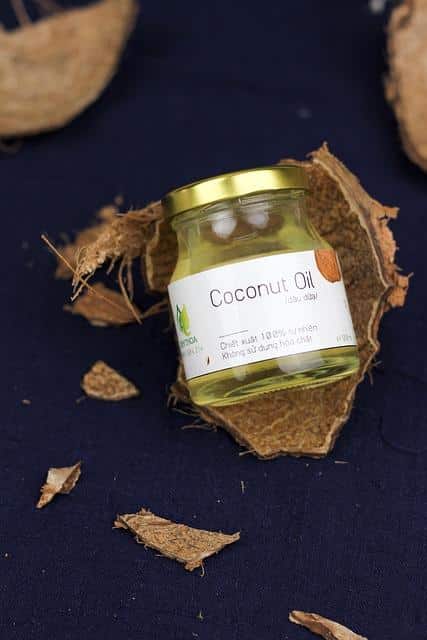
- Natural Oils: Ingredients like argan oil, coconut oil, and jojoba oil nourish and hydrate the hair and scalp without causing buildup.
- Amino Acids: These can strengthen the hair and help repair damage.
- Herbal Extracts: Aloe vera and ginseng can promote scalp health.
How to Properly Use Conditioner
Overuse of conditioner or incorrect application can lead some to believe conditioner can cause hair fall. Getting the application right is crucial for keeping your mane in tip-top shape.
Application Techniques
- Concentrate on the Ends: Applying conditioner primarily to the ends of your hair can help reduce damage without overwhelming the scalp.
- Rinse Thoroughly: Leftover product can build up and irritate the scalp. A good rinse is necessary.
- Frequency Matters: For some hair types, using conditioner every wash is beneficial, while others may find that every other wash works best.
DIY Conditioning Treatments
There are fun ways to whip up a moisturizing treatment right from your kitchen! Here’s a simple DIY conditioner recipe that nourishes without the questionable ingredients:
- Ingredients: 1 ripe banana, 1 tablespoon honey, and 2 tablespoons coconut oil.
- Instructions: Blend these ingredients until smooth, apply to hair, leave for 30 minutes, and rinse.
How chic and simple is that? Plus, you’ll smell like a tropical paradise!
Signs of Hair Fall Related to Conditioner
If you’re experiencing increased hair fall, it may be time for a deep dive into your conditioner choice. Here are some signs that could indicate a product is causing trouble:
- Increased Hair Shedding in the Shower: If you notice significantly more hair in your shower drain after using a specific conditioner, it might be time to swap it out.
- Itchy Scalp: An irritated or itchy scalp is often a telltale sign that your conditioner doesn’t agree with you.
- Lifeless Hair: Hair that feels lifeless, greasy, or has lost its bounce could be experiencing buildup due to heavy conditioners.
Monitoring these signs can help you determine if your conditioner is causing hair fall or if you need to look elsewhere for answers.
Common Myths About Conditioner and Hair Fall
Understanding the reality of conditioners and hair fall is crucial. Here are some myths that need debunking:
Myth 1: All Conditioners Cause Hair Fall
This couldn’t be further from the truth! While some conditioners may be too heavy or irritating, many are designed to nourish and strengthen hair. Choose wisely, and you’re golden!
Myth 2: Fine Hair Should Skip Conditioner
Even those with fine hair should condition, but it’s all about choosing lightweight products. Dive into volumizing conditioners that won’t weigh hair down while providing moisture.
Myth 3: The More Conditioner, The Better
Over-conditioning can lead to greasy hair that appears unwashed. Make sure to keep the application moderate and suited to your hair’s needs.
Testing Conditioners
When deciding if a conditioner leads to hair fall, sometimes a little test can provide clarity. Transition to a different product for a month and monitor changes. Take notes!
- Product Name:
- Duration Used:
- Hair Observations: (shed count, scalp health, shine)
The Hair Diaries
Consider keeping a “hair diary” where you log your experiences with various conditioners and any changes you notice. This could be helpful in spotting patterns!
Alternatives to Traditional Conditioners
For those wary about traditional conditioners, there are fabulous alternatives!
- Leave-In Conditioners: These can provide moisture without the weigh-down factor.
- Hair Masks: Opt for masks once a week for deep moisture.
- Natural Oils: A dollop of coconut or olive oil can serve as a lovely conditioner replacement.
Conclusion: Finding What’s Right for You
Ultimately, whether conditioner can cause hair fall hinges on its formulation, your hair type, and how it’s used. Choose blended products carefully, listen to your hair, and adjust your regimen as needed. A beautiful hair journey awaits you!
We often find solace in good hair days, the right conditioner can help you maintain that fabulous feeling. Take the time to explore what makes your strands sing, and you’ll be well on your way to happy, healthy hair! Want more personalized advice? Consult with a hair care professional, and remember to follow the adventures of your locks like the exciting path they are. Who said hair care couldn’t be fun and vibrant, right?
Now, darling, go strut your stuff with confidence, because beautiful hair is out there waiting—just like that perfect pair of shoes! Happy hair days ahead!