hair loss“>
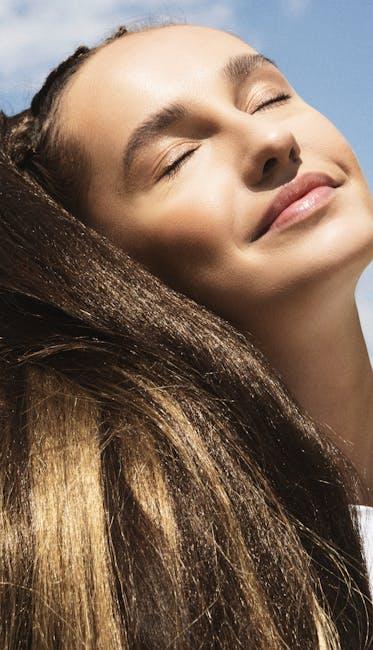
Can a headband cause hair loss? For many of us, headbands are the go-to hair accessory when we want to spice up a boring hairstyle or keep those pesky strands out of our face. However, with some hair fashion choices comes a bit of concern about their impact on our lovely locks. In this article, we will delve into whether headbands can indeed cause hair loss, what types of headbands might be problematic, and how to wear them the safe and stylish way!
Understanding Hair Loss and Its Causes
Hair loss is a common concern that affects both men and women, and it can stem from various factors such as genetics, hormonal changes, medical conditions, and even our daily habits. But can a headband contribute to this issue? Let’s break it down!
Types of Hair Loss to Consider
There are several types of hair loss, and each has its own set of causes:
- Androgenetic Alopecia: Commonly known as male or female pattern baldness, this hereditary condition impacts those with a genetic predisposition to thinner hair.
- Telogen Effluvium: This form of temporary hair loss is often triggered by stress, hormonal shifts, or significant life changes. It can occasionally be exacerbated by physical stress on the scalp.
- Traction Alopecia: This is directly related to hairstyles that pull on the hair, potentially caused by tight ponytails, braids, or yes, headbands!
Understanding the different types of hair loss helps us see the bigger picture. For those who frequently style their hair tightly or wear accessories snugly, traction alopecia is something to keep in mind.
Can a Headband Cause Hair Loss?
When we think of headbands, it’s easy to overlook the potential consequences of wearing them frequently and incorrectly. So, can a headband cause hair loss? The answer is yes, but let’s explore the nuances.
The Mechanics of Hair Loss from Headbands
1. Pressure and Friction Effects: When a headband is worn tightly, especially for extended periods, it can create friction and pull on the hair. This constant pressure on the hair follicles can lead to a type of hair loss known as traction alopecia, characterized by thinning or loss of hair along the hairline or the crown.
2. Type of Headband Matters: Not all headbands are created equal! Those made of hard materials or with edges can cause more harm than good. Soft, stretchy, or fabric bands are generally less likely to damage your hair.
Headband Styles and Their Impact
Certain styles of headbands can be more forgiving than others. Here’s a rundown of popular types and their tendencies:
- Elastic Headbands: These are super cute and functional but be cautious—if too tight, they may pull at your roots.
- Plastic or Rigid Headbands: While stylish, they can cause friction and pressure at the points they touch your scalp.
- Fabric Headbands: Generally the safest option! They tend to be softer and less damaging, so look for styles made from materials like cotton or jersey knit.
- Sports Headbands: These are fantastic for workouts but can lead to hair breakage only if they’re too tight. Opt for stretchy options that conform comfortably without pulling.
Preventative Measures for Hair Health
While headbands can potentially lead to hair loss, there are several tips and tricks to protect those beautiful tresses.
Choosing the Right Headband
- Opt for Comfortable Fit: Choose headbands that gently fit without being overly snug. Think of it more like a gentle hug for your head instead of a tourniquet!
- Rotate Styles: Keep your hairstyles varied by switching up your headband style regularly. This will help reduce pressure on the same spots!
Caring for Your Hair
- Regular Breaks: Give your hair a break from accessories. Maybe dedicate one day a week to let those locks flow free!
- Hydrate and Nourish: Use a quality conditioner and treatments to keep your hair healthy from the inside out. Strong hair is less prone to damage!
- Scalp Massages: Treat yourself to a lovely scalp massage! It not only feels divine but stimulates blood flow to your hair follicles, which is always a plus.
Addressing Common Concerns
Many of us have heard someone utter “I think my headband made my hair fall out!” While it’s important to take these concerns seriously, it’s also vital to demystify these fears with facts and reassurance.
Myth-Busting Hair Loss Doubts
- Headbands and Hair Washing: Wearing a headband does not directly cause hair loss. However, if you’re the kind to skip washing your hair often, especially after sweating, that could lead to oil buildup which may contribute to hair issues. Keep it clean, gorgeous!
- Can Hair Recover?: If the hair loss is due to traction alopecia from wearing headbands, recovery is absolutely possible once you stop wearing them tightly. Give your hair time to breathe, and soon you’ll be flipping it again with confidence!
When to Seek Professional Advice
It’s crucial to recognize when to consult a specialist regarding hair loss. If there’s severe thinning, patches, or persistent shedding, it might be time to reach out to a dermatologist. They can assist in finding the actual cause—like a fabulous hair detective!
Embracing Headbands without Worry
So, can a headband cause hair loss? Yes, but not necessarily! Headbands can indeed elevate your look while being a little cautious can go a long way in preserving hair health. Feeling adventurous with your hair accessories doesn’t have to come at the cost of your lovely locks!
Give yourself the freedom to express your style and feel fantastic doing it! Remember that balance is key. With the right choices, you can strut your stuff with your headband—sans hair loss worries.
Conclusion
headbands can pose a risk for hair loss, especially if they are too tight or worn incorrectly. Sensible choices, regular hair care, and some TLC can help you enjoy those cute hair accessories without the fright of losing your hair. Whether you’re lounging at home or hitting the gym, peace of mind while wearing a headband is totally achievable! For more tips on hair health and fabulous styles, make sure to check out trusted resources like Healthline on Hair Loss and Mayo Clinic on Hair Loss. Happy styling!